Eupithecia zygadeniata
Packard, 1876
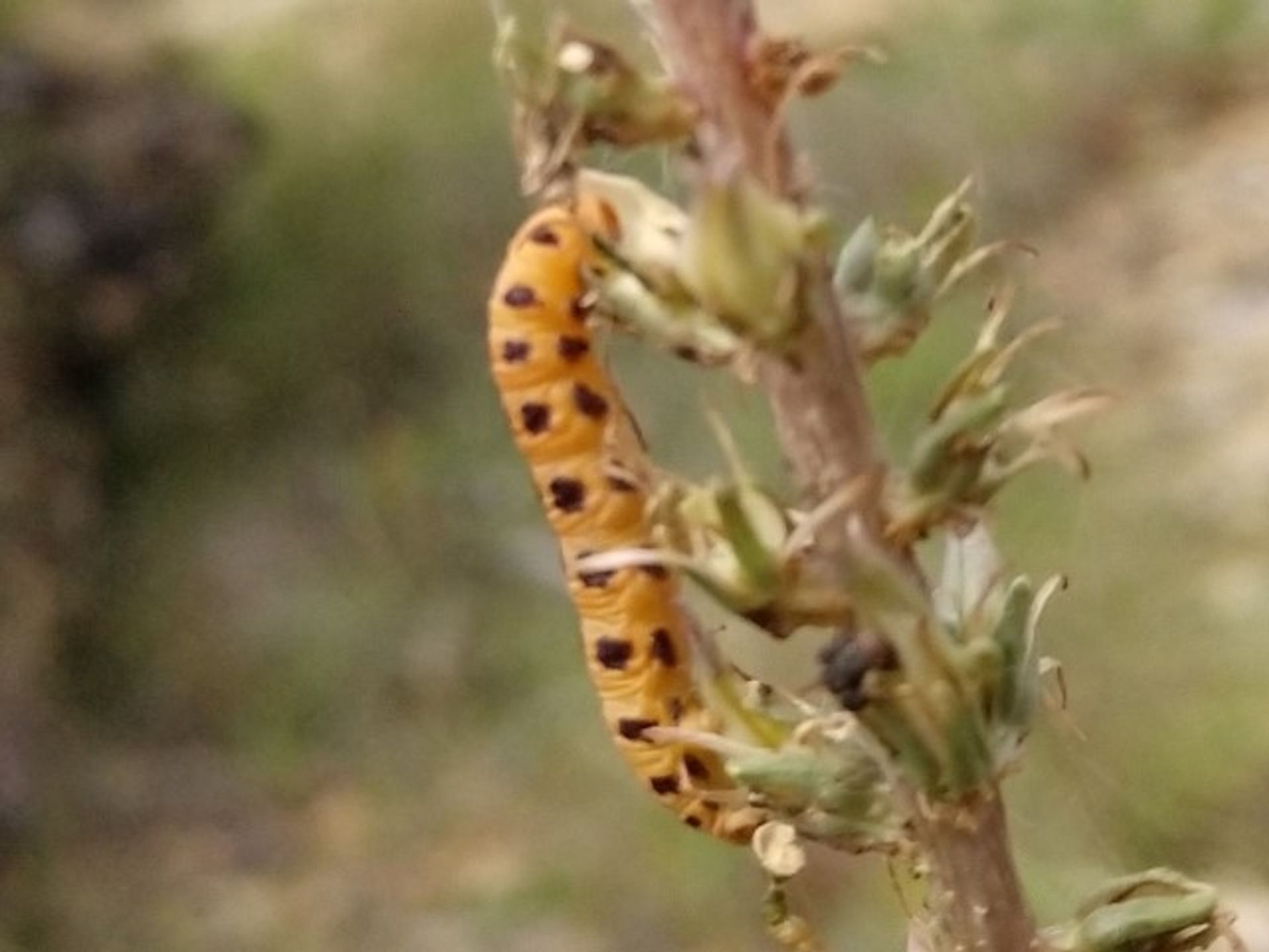
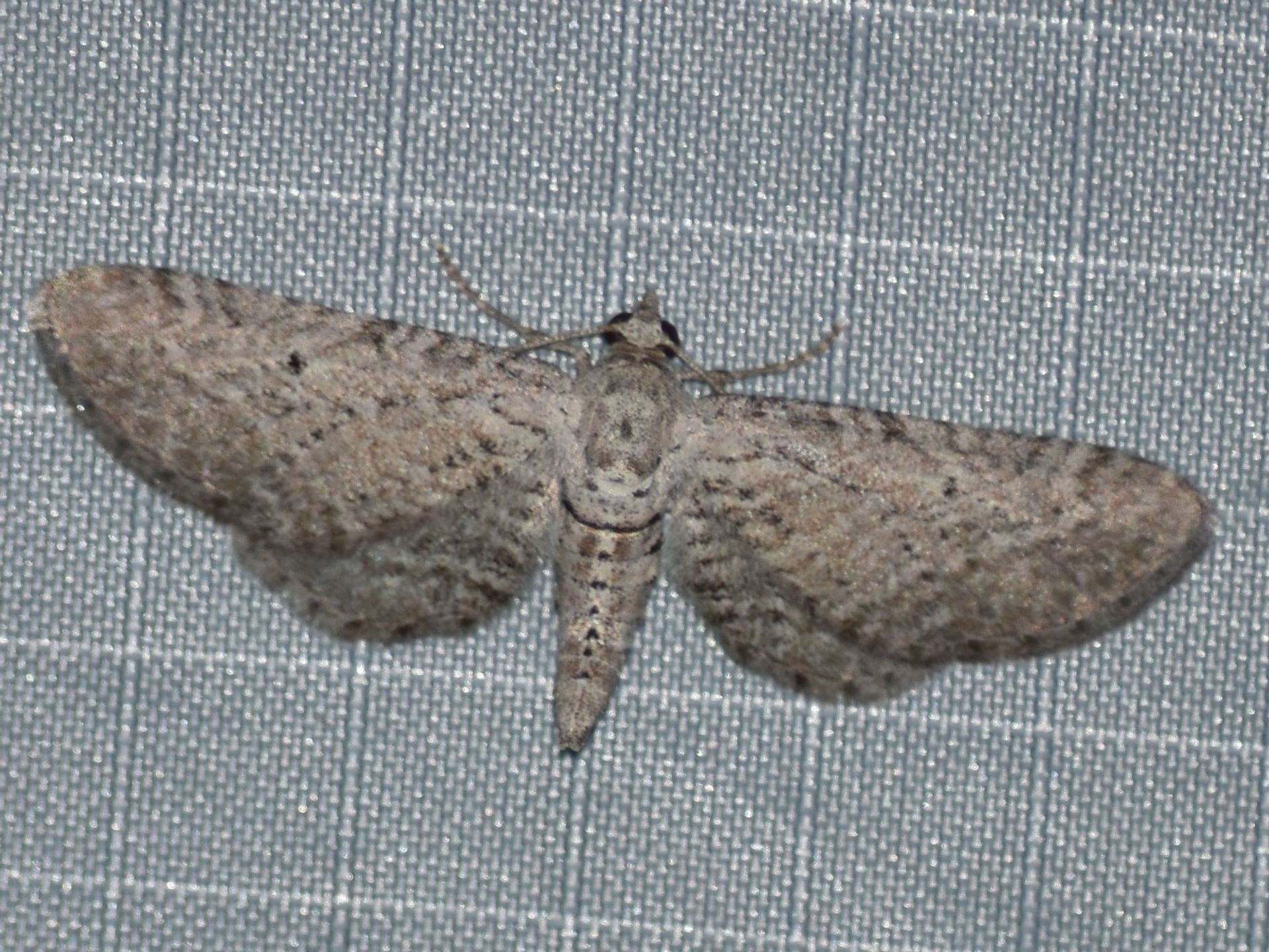
Eupithecia zygadeniata is a North American in the Geometridae, first described by Alpheus Spring Packard in 1876. are active in June and July. The is known from Texas and Montana. Larvae feed within the seed capsules of Schoenocaulon texanum, a plant in the family Melanthiaceae.
Pronunciation
How to pronounce Eupithecia zygadeniata: //juː.pɪˈθeɪ.ʃə zaɪˌɡæ.dəˈnaɪ.ə.tə//
These audio files are automatically generated. While they are not always 100% accurate, they are a good starting point.
Identification
As a member of the Eupithecia (commonly called 'pugs'), this exhibits narrow wings and a characteristic resting posture with wings held flat or slightly folded. Species-level identification within Eupithecia typically requires examination of genitalia or other microscopic characters.
Images
Distribution
Recorded from Texas and Montana in North America.
Seasonality
have been recorded on wing in June and July.
Diet
Larvae feed within the seed capsules of Schoenocaulon texanum.
Host Associations
- Schoenocaulon texanum - larval plantlarvae feed within seed capsules
Behavior
are and attracted to light. A Eupithecia , possibly this , has been documented visiting apple flowers at night, suggesting potential nocturnal pollination .
Ecological Role
Larval herbivore feeding on Schoenocaulon texanum seeds. may contribute to pollination of flowering plants.
Similar Taxa
- Other Eupithecia speciesAll 'pug' share narrow wings and similar resting posture; -level identification requires detailed examination
More Details
Taxonomic note
The specific epithet 'zygadeniata' refers to the larval plant Schoenocaulon, which was formerly placed in the genus Zigadenus.
Nocturnal pollination
A 2021 study on apple pollination documented Eupithecia visiting apple flowers at night, indicating potential contribution to pollination services in agricultural systems.