
Eupithecia intricata
(Zetterstedt, 1839)
Freyer's Pug Moth
Eupithecia intricata, commonly known as Freyer's Pug , is a of geometrid moth in the Geometridae. The species occurs across a broad geographic range spanning Europe, Russia, Kazakhstan, China, and North America. As a member of the Eupithecia, it is characterized by the narrow wings and distinctive resting posture typical of "pug" moths. The species was first described by Zetterstedt in 1839 under the basionym Larentia intricata.
Pronunciation
How to pronounce Eupithecia intricata: /juːˈpɪθiə ˌɪntrɪˈkɑːtə/
These audio files are automatically generated. While they are not always 100% accurate, they are a good starting point.
Identification
Identification to level within Eupithecia requires careful examination of genitalia characters, as wing patterns across many species are similar and often cryptic. The specific epithet "intricata" refers to the intricate wing patterns. Distinguishing E. intricata from congeneric species typically relies on subtle differences in wing pattern elements, particularly the configuration of lines and spots on the wing surface, combined with dissection and comparison of male and female genitalia. Reference to specialized keys for the Eupithecia and geographic region is essential for accurate identification.
Images
Appearance
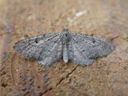
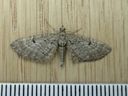
exhibit the characteristic of Eupithecia : narrow, somewhat triangular forewings held flat or slightly overlapping at rest, with wings typically folded roof-like over the . The wings display intricate patterning that provides camouflage against bark and lichen. Like other "pug" moths, the body is relatively slender with a compact build. Specific coloration and wing pattern details for this require specimen examination.
Habitat
include wooded areas and forest edges where larval plants occur. The is associated with coniferous and mixed forests in parts of its range. Specific microhabitat preferences and host plant associations require further documentation.
Distribution
Europe (including Russia), eastward to the Ural Mountains, Russian Far East, Kazakhstan, and China. Also present in North America. GBIF records confirm presence in Belgium and other European localities.
Behavior
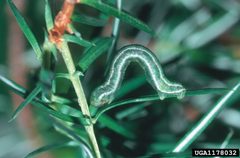
are and attracted to light sources. A study on apple pollination documented Eupithecia visiting apple flowers at night, indicating potential nocturnal nectar-feeding . Larval behavior is presumed to include characteristic looping locomotion of geometrid caterpillars.
Ecological Role
Larvae function as herbivores, though specific plants are not documented in available sources. may contribute to pollination services as documented in apple orchard studies, where Eupithecia were observed as nighttime floral visitors.
Human Relevance
Documented as a visitor to apple flowers in agricultural settings, suggesting potential role in crop pollination. Otherwise not known to have significant economic or cultural importance.
Similar Taxa
- Eupithecia spp.Other in the Eupithecia share the narrow-winged "pug" and require genitalia examination for definitive separation; many are cryptically similar in wing pattern.
- Other Larentiinae members share general geometrid characteristics; identification relies on wing pattern details and genitalia structure.
More Details
Taxonomic note
The specific epithet "intricata" was chosen to reflect the intricate wing patterns that make this difficult to recognize. The basionym Larentia intricata reflects historical placement in a different before transfer to Eupithecia.
Research context
Eupithecia were specifically mentioned in a 2021 study on apple pollination, where they were photographed as visitors to apple flowers, contributing to documentation of nighttime activity in agricultural systems.
Sources and further reading
- BugGuide
- GBIF taxonomy match
- iNaturalist taxon
- NCBI Taxonomy
- Catalogue of Life
- Two New Species of Butterfly Accidentally Discovered in Eastern USA
- Let’s make a deal! | Beetles In The Bush
- P.M. Pollinators: Study Shines Light on Nocturnal Insects' Role in Apple Production
- Bug Eric: New Mexico Night Bugs
- Uncategorized | Blog - Part 26
- Pensoft Editorial Team | Blog - Part 130