
Eupithecia graefii
(Hulst, 1896)
Graef's Pug
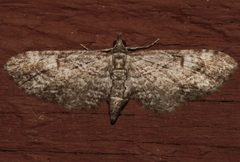
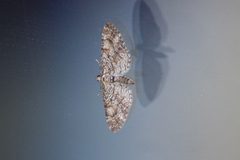
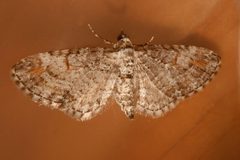
Eupithecia graefii, commonly known as Graef's Pug, is a small in the Geometridae. It occurs in western North America from Alaska to California, inhabiting wooded areas. As a member of the diverse Eupithecia —known as "pugs"—it shares the characteristic narrow wings and distinctive resting posture typical of these inchworm moths. The has been documented visiting apple flowers, contributing to pollination services.
Pronunciation
How to pronounce Eupithecia graefii: /juːˈpɪθiə ˈɡræfi.aɪ/
These audio files are automatically generated. While they are not always 100% accurate, they are a good starting point.
Identification
Members of Eupithecia, including E. graefii, are recognized by their narrow wings and unique resting posture—traits that distinguish "pugs" from other geometrid moths. -level identification within this typically requires examination of genitalia characters or other microscopic features not visible to the naked or standard photography. E. graefii can be distinguished from similar western North American by geographic range and subtle morphological differences best confirmed through dissection.
Images
Appearance
Small with narrow, elongated wings typical of the Eupithecia . display the characteristic "pug" resting posture with wings held tightly against the body. Specific coloration and pattern details for E. graefii are not separately documented from in available sources.
Habitat
Wooded areas, including dry mixed conifer forest with oaks at elevations around 7,000 feet. The has been observed in with good floral diversity.
Distribution
Western North America: from south-western Alberta west to Vancouver Island, north to Alaska, and south to California.
Diet
Larval plants unknown for this . have been observed visiting apple flowers, suggesting nectar feeding.
Behavior
; attracted to blacklights. have been documented visiting apple flowers at night, contributing to pollination.
Ecological Role
function as . A 2021 study documented Eupithecia visiting apple flowers, demonstrating their contribution to nighttime pollination services in fruit production. Larval role unknown due to undocumented plant relationships.
Human Relevance
Documented as a of apple crops, contributing to fruit set and seed development comparable to daytime pollinators. This highlights the value of conservation in agricultural systems, even for whose larvae may not be directly beneficial.
Similar Taxa
- Other Eupithecia speciesNarrow wings and resting posture are shared across the ; -level identification requires genitalia examination
- Other GeometridaeEupithecia distinguished by characteristic wing shape and posture
More Details
Taxonomic Note
Originally described as Eucymatoge graefii by Hulst in 1896; later transferred to Eupithecia. The Eupithecia contains numerous with many awaiting description, and identification challenges are compounded by the need for microscopic or dissection-based characters.
Research Context
Documented in a 2021 Journal of Economic Entomology study on apple pollination in Arkansas, where Eupithecia were photographed on apple flowers. This observation extends the known ecological role of this western to agricultural pollination services.