
Eupithecia acutipennis
(Hulst, 1898)
Eupithecia acutipennis is a small geometrid first described by George Duryea Hulst in 1898. It is to California and belongs to the diverse 'pug' moth Eupithecia, characterized by narrow wings and a distinctive resting posture. are active during fall, winter, and early spring, with records spanning October through April. The is one of many Eupithecia found in western North America.


Pronunciation
How to pronounce Eupithecia acutipennis: //juːˈpɪθ.i.ə əˌkjuːtɪˈpɛnɪs//
These audio files are automatically generated. While they are not always 100% accurate, they are a good starting point.
Identification
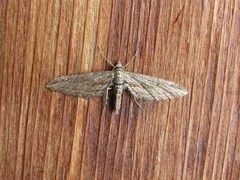
Distinguished from other Eupithecia by the light smoky ocherous coloration of the forewings. Accurate identification to species level typically requires examination of genitalia, as is common for this . The combination of California distribution, small size (~22 mm wingspan), and the specific forewing coloration helps separate it from similar western North American pug moths. Eupithecia species are readily recognized as a group by their narrow wings and characteristic resting posture with wings held flat, creating a triangular silhouette.
Images
Appearance
Wingspan approximately 22 mm. Forewings are light smoky ocherous in color. As a member of the Eupithecia, it possesses narrow, relatively unmarked wings and a slender body typical of 'pug' . The resting posture involves wings held flat or slightly folded, often with a characteristic triangular outline.
Distribution
to the US state of California. Specific preferences within California are not documented.
Seasonality
have been recorded on wing from October to April, indicating fall through early spring activity. This pattern suggests a with adult during the cooler months.
Similar Taxa
- Other Eupithecia speciesMany Eupithecia occur in western North America and share the narrow-winged 'pug' ; genitalia examination is typically required for definitive species separation.
More Details
Taxonomic history
Originally described as Tephroclystis acutipennis by Hulst in 1898, later transferred to the Eupithecia.
Sources and further reading
- BugGuide
- Wikipedia
- GBIF taxonomy match
- iNaturalist taxon
- NCBI Taxonomy
- Catalogue of Life
- Eupithecia sp. moth on apple flower - Entomology Today
- P.M. Pollinators: Study Shines Light on Nocturnal Insects' Role in Apple Production
- Bug Eric: New Mexico Night Bugs
- My Publications | Beetles In The Bush
- Bug Eric: Wasp Wednesday: Agathidinae