Tetracis hirsutaria
(Barnes & McDunnough, 1913)
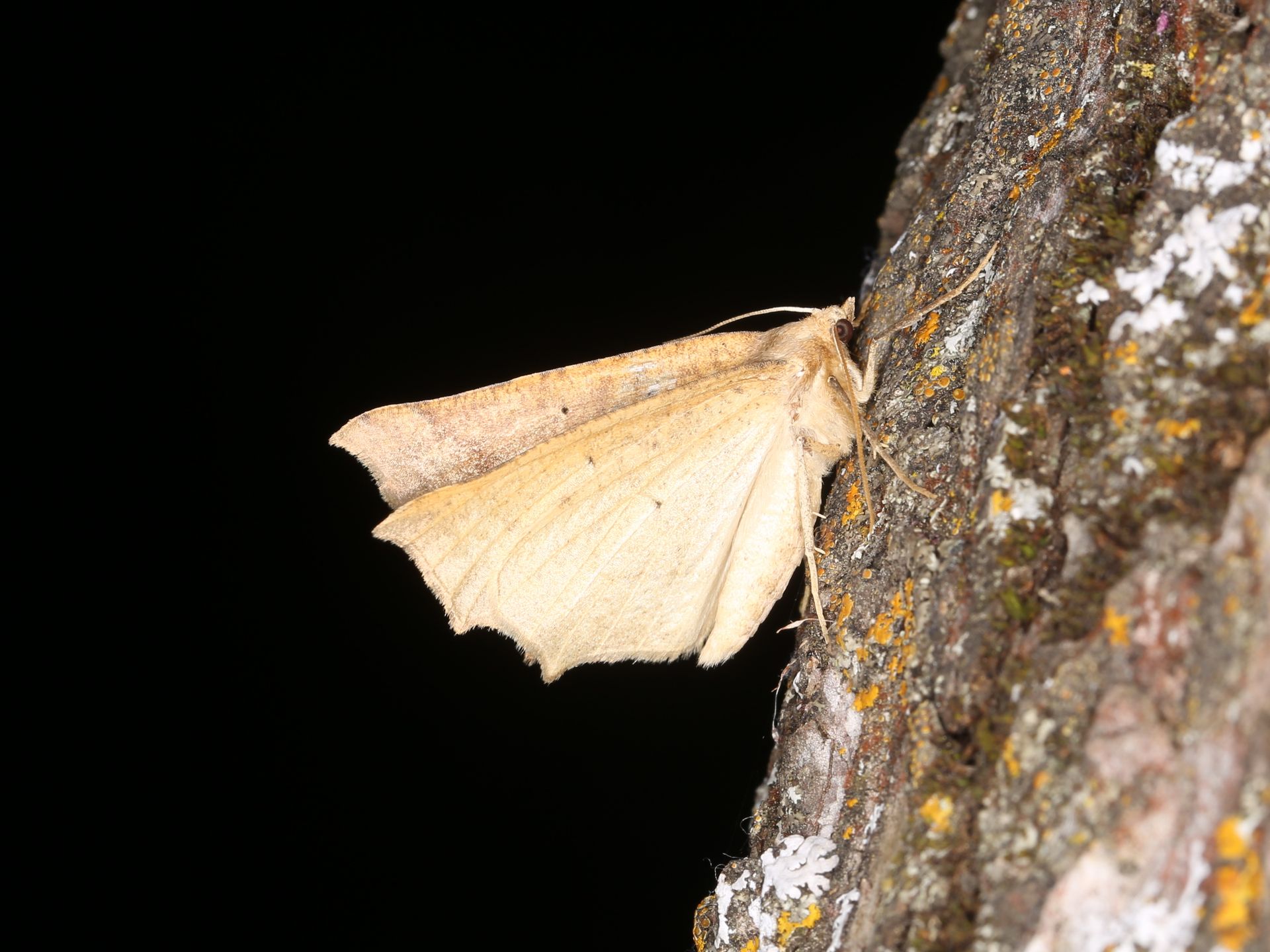
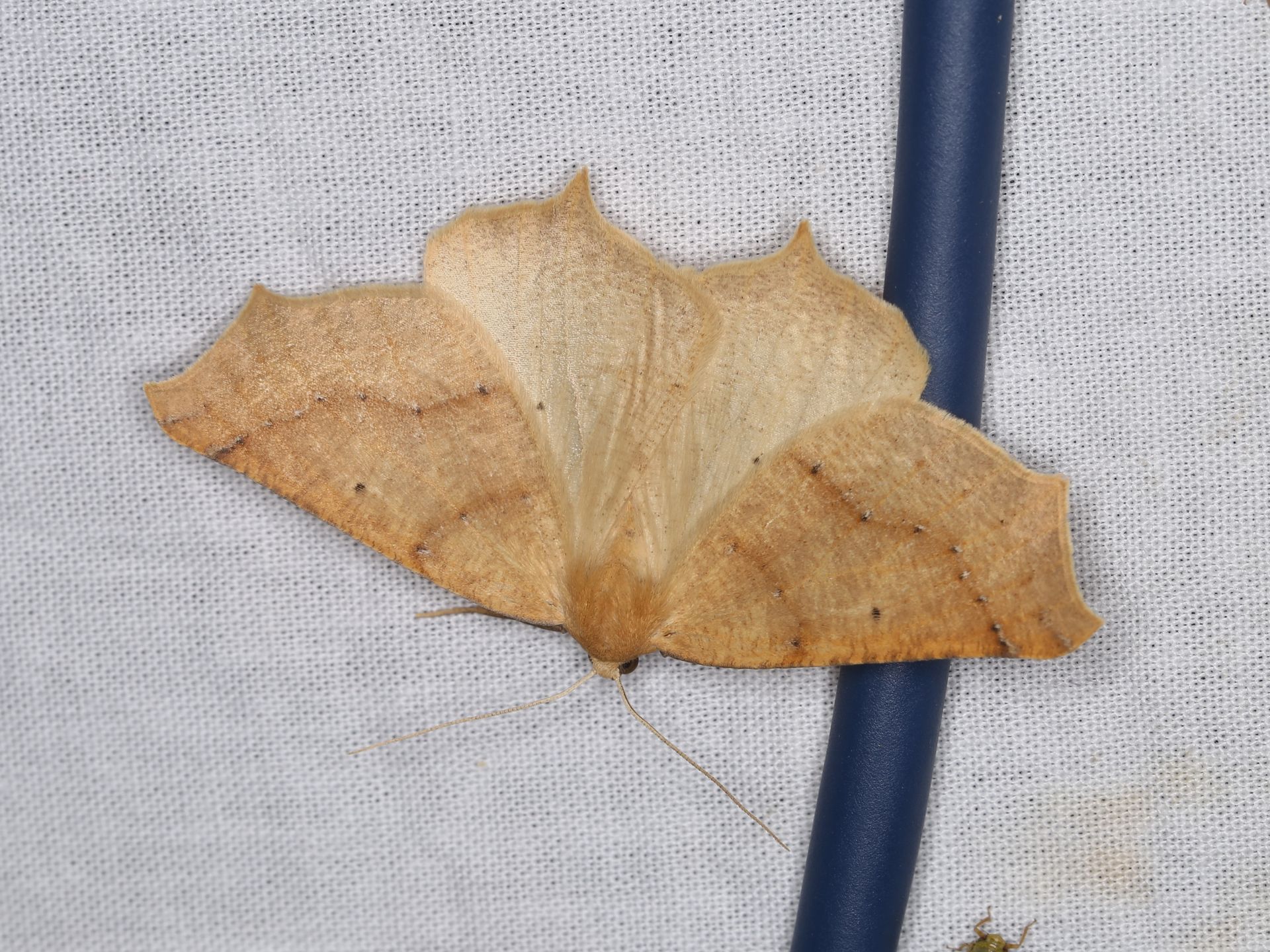
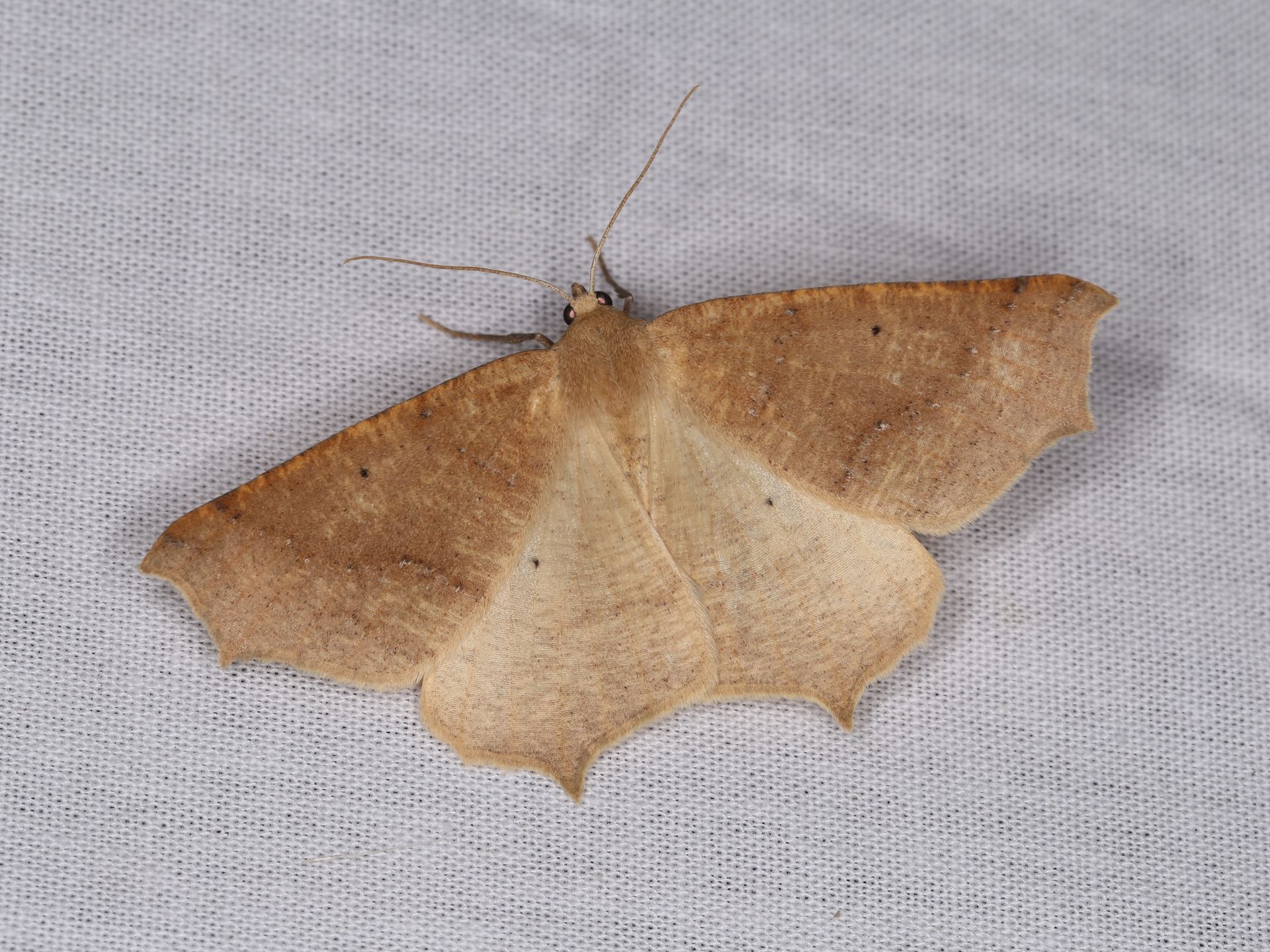
Tetracis hirsutaria is a geometrid described by Barnes and McDunnough in 1913. It is restricted to California and extreme southern Nevada. fly from early October through November. The has been reared on multiple plants in the Rosaceae and Rhamnaceae .
Pronunciation
How to pronounce Tetracis hirsutaria: /ˈtɛtrəsɪs hɜːrˈsuːtəriə/
These audio files are automatically generated. While they are not always 100% accurate, they are a good starting point.
Identification
Distinguished from other Tetracis by geographic restriction to California and southern Nevada combined with late autumn period (October–November). Forewing length of 17–23 mm provides a size reference. Accurate identification to species level may require genitalia examination or molecular analysis.
Images
Appearance
Forewings measure 17–23 mm in length. Specific wing pattern and coloration details are not documented in available sources.
Habitat
Associated with plants including Ceanothus, Cercocarpus, Prunus, and Ribes, suggesting chaparral, woodland edge, and montane shrubland environments.
Distribution
United States: California and extreme southern Nevada.
Seasonality
active from early October to November.
Diet
Larvae feed on Ceanothus cuneatus, Cercocarpus betuloides, Prunus emarginata, and Ribes malvaceum.
Host Associations
- Ceanothus cuneatus - larval Rhamnaceae; buckbrush
- Cercocarpus betuloides - larval Rosaceae; birchleaf mountain mahogany
- Prunus emarginata - larval Rosaceae; bitter cherry
- Ribes malvaceum - larval Grossulariaceae; chaparral currant
Ecological Role
Larval herbivore on woody shrubs; contributes to nutrient cycling in chaparral and montane shrubland .
Similar Taxa
- Other Tetracis speciesSympatric may overlap in range; T. hirsutaria distinguished by late autumn period and specific geographic restriction
- Synaxis speciesFormerly placed in Synaxis; taxonomic revision moved this to Tetracis
Misconceptions
Previously classified under the Synaxis; this synonymy has been formally recognized but may persist in older literature.
More Details
Taxonomic history
Originally described as Synaxis hirsutaria; transferred to Tetracis following revision by Rindge (1990) who synonymized Synaxis with Tetracis.
Conservation status
Not formally assessed; restricted range may warrant monitoring.