Tetracis formosa
(Hulst, 1896)
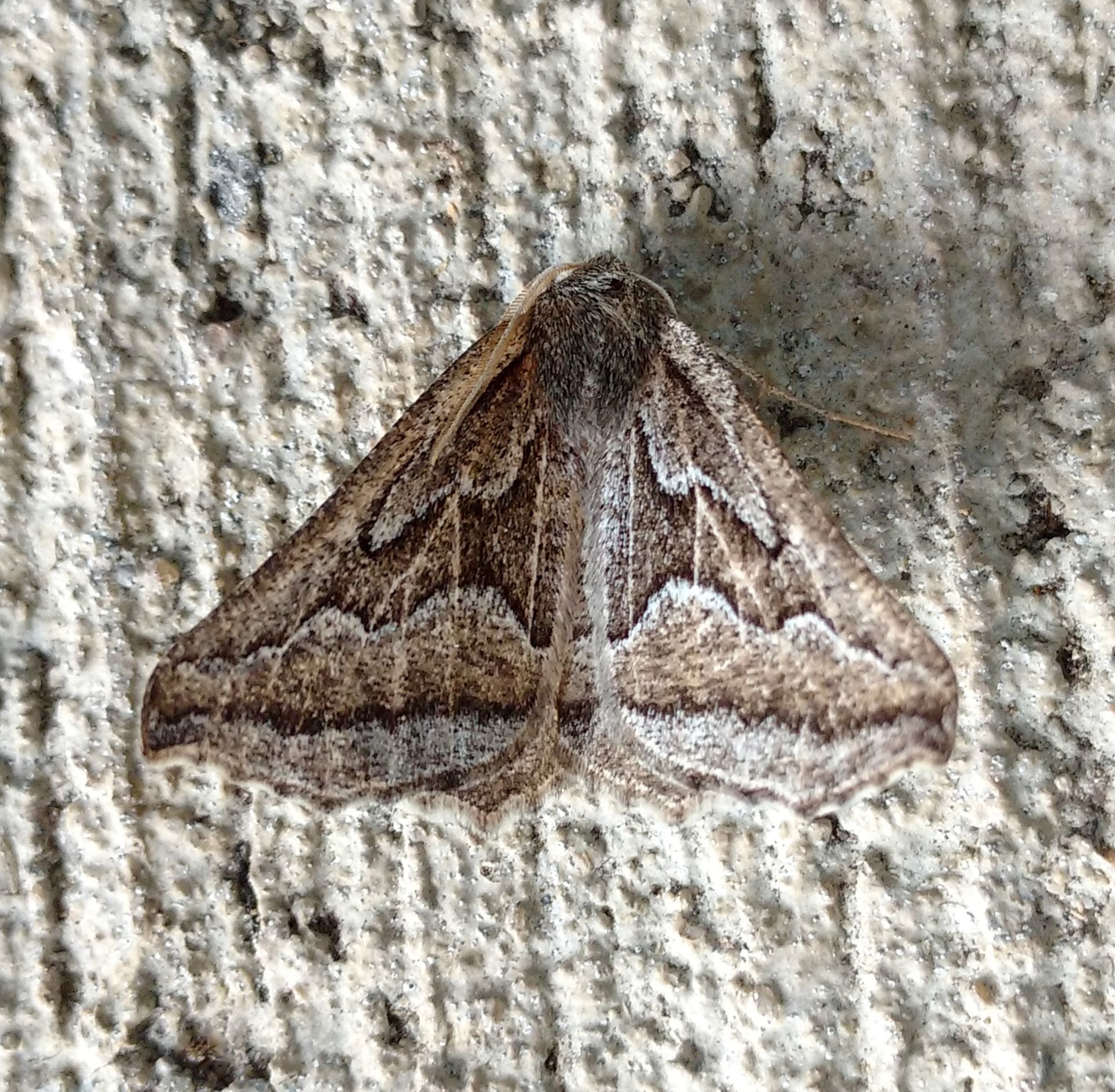
Tetracis formosa is a geometrid described by George Duryea Hulst in 1896. It occurs in montane regions of western North America at elevations between 870 and 2,320 meters. fly from early September through late November, and larvae have been successfully reared on Prunus andersonii.
Pronunciation
How to pronounce Tetracis formosa: /ˈtɛtɹəs ˈfɔɹmoʊsə/
These audio files are automatically generated. While they are not always 100% accurate, they are a good starting point.
Images
Habitat
Montane environments at elevations between 870 and 2,320 meters. Specific microhabitat preferences beyond elevation range are not documented.
Distribution
Western North America from Colorado, eastern Utah, and eastern Wyoming west to California; north to southern British Columbia and southern Alberta.
Seasonality
are active from early September to late November.
Diet
Larvae have been reared on Prunus andersonii. feeding habits are not documented.
Host Associations
- Prunus andersonii - larval food plantDocumented from laboratory rearing
More Details
Taxonomic history
Tetracis formosa was first described by George Duryea Hulst in 1896. The Tetracis was revised in a 2009 publication that synonymized Synaxis Hulst with Tetracis and described three new .
Sources and further reading
- BugGuide
- Wikipedia
- GBIF taxonomy match
- iNaturalist taxon
- Catalogue of Life
- Cicindela formosa pigmentosignata (the “reddish-green sand tiger beetle”) | Beetles In The Bush
- Cicindela lengi vs. Cicindela formosa | Beetles In The Bush
- A Termite-Control Twofer: How Baiting One Colony of Formosan Subterranean Termites Can Knock Out the Colony Next Door