
Melanolophia signataria
(Walker, 1860)
Signate Melanolophia Moth, signate melanolophia
Melanolophia signataria is a North American geometrid with a broad transcontinental range. are active primarily from spring through summer, with larvae feeding on the foliage of numerous deciduous and coniferous tree . The species shows considerable geographic variation, with a recognized Florida .
Pronunciation
How to pronounce Melanolophia signataria: //mɛlænoʊˈloʊfiə sɪɡnæˈtɛəriə//
These audio files are automatically generated. While they are not always 100% accurate, they are a good starting point.
Identification
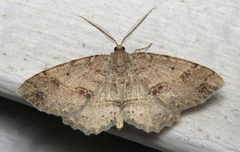
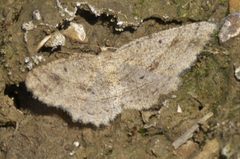
can be distinguished by wingspan of 30–35 mm and the typical melanolophine wing pattern. The Florida M. s. timucuae may show regional variation in markings. Separation from other Melanolophia requires examination of genitalic structures or detailed wing pattern analysis.
Images
Habitat
Occupies forested and wooded environments where trees occur, including mixed deciduous-coniferous stands and riparian corridors.
Distribution
Eastern and central North America: Nova Scotia south to Florida, west to Saskatchewan and eastern Texas. Canadian records include Alberta, Manitoba, and Saskatchewan.
Seasonality
fly from March to August, with peak activity varying by latitude.
Diet
Larvae feed on leaves of alder, elm, birch, fir, larch, maple, oak, poplar, and spruce. feeding habits are not documented.
Host Associations
- Alnus - larval food plantalder
- Ulmus - larval food plantelm
- Betula - larval food plantbirch
- Abies - larval food plantfir
- Larix - larval food plantlarch
- Acer - larval food plantmaple
- Quercus - larval food plantoak
- Populus - larval food plantpoplar
- Picea - larval food plantspruce
Ecological Role
Larval herbivory on diverse tree suggests potential role as a defoliator in forest , though densities and ecological impacts have not been quantified.
Similar Taxa
- Other Melanolophia speciesSimilar wing patterns and body form; reliable identification requires genitalic dissection or detailed pattern comparison
More Details
Subspecies
Two recognized: Melanolophia signataria signataria (nominate, widespread) and Melanolophia signataria timucuae (Florida)
Observation frequency
Well-documented with over 6,000 observations on iNaturalist, indicating it is frequently encountered and photogenic