
Melanolophia imitata
(Walker, 1860)
Western Carpet, Green-striped Forest Looper
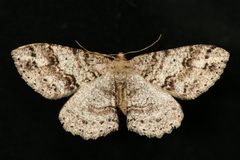
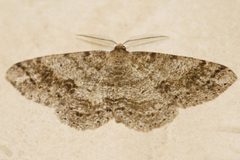
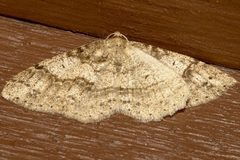
A spring-flying geometrid of western North America, notable for large, pale that occur in consistently high abundance. Adults fly during late evening and are less attracted to light than many moth . The species shows minimal migratory movement but can form dense that create visible 'clouds' in forested . Larvae are conifer-feeding loopers that prefer Douglas fir, Tsuga, and Abies.
Pronunciation
How to pronounce Melanolophia imitata: /mɛlænəˈloʊfiə ˌɪmɪˈteɪtə/
These audio files are automatically generated. While they are not always 100% accurate, they are a good starting point.
Identification
Large size (34–40 mm wingspan) and pale coloration distinguish from smaller geometrid moths. Spring period (March–June) separates it from summer-flying relatives. Larvae are green-striped loopers associated with conifer foliage. Less attracted to light than many , reducing capture rates at light traps relative to abundance.
Images
Habitat
Forested environments, particularly coniferous forests. Associated with stands containing Douglas fir, Tsuga, and Abies .
Distribution
Western North America: southern California north to Alaska, east to extreme southwestern Alberta.
Seasonality
active March through June. One per year. Spring period.
Diet
Larvae feed on foliage of various conifer trees, with documented preference for Douglas fir (Pseudotsuga), Tsuga, and Abies .
Host Associations
- Pseudotsuga - preferred larval
- Tsuga - preferred larval
- Abies - preferred larval
Life Cycle
One per year. emerge in spring (March–June). Larval stage feeds on conifer foliage.
Behavior
fly during late evening. Less attracted to artificial light than many . Minimal migratory movement. Can occur in large described as 'clouds of moths' that scatter through forested areas.
Ecological Role
Larval defoliator of conifer trees. abundance suggests potential significant herbivory pressure in some years, though specific impacts not documented in available sources.
Human Relevance
Occasional alarming reports from forest travelers due to dense creating visible clouds of . Not a significant pest despite larval conifer-feeding habits.
Similar Taxa
- Other Melanolophia speciesSimilar size and ; requires examination of genitalia or geographic range for definitive separation
- Other spring-flying GeometridaeOverlap in period; distinguished by larger size, pale coloration, and evening flight
More Details
Abundance patterns
Consistently large numbers of larvae and attract attention, with densities sufficient to create visible throughout forested .