Melanolophia canadaria
(Guenée, 1857)
Canadian Melanolophia Moth, Canadian melanolophia
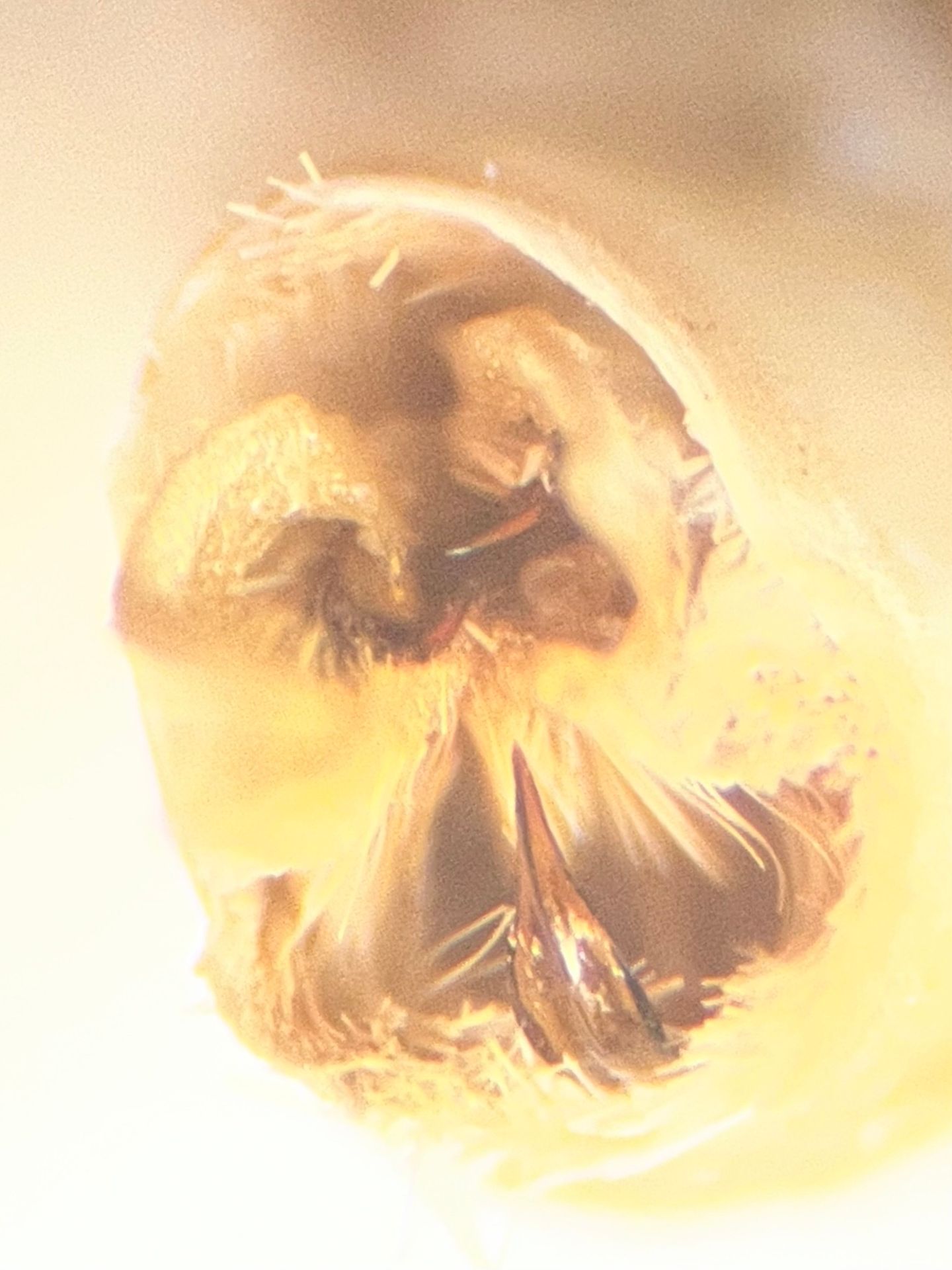
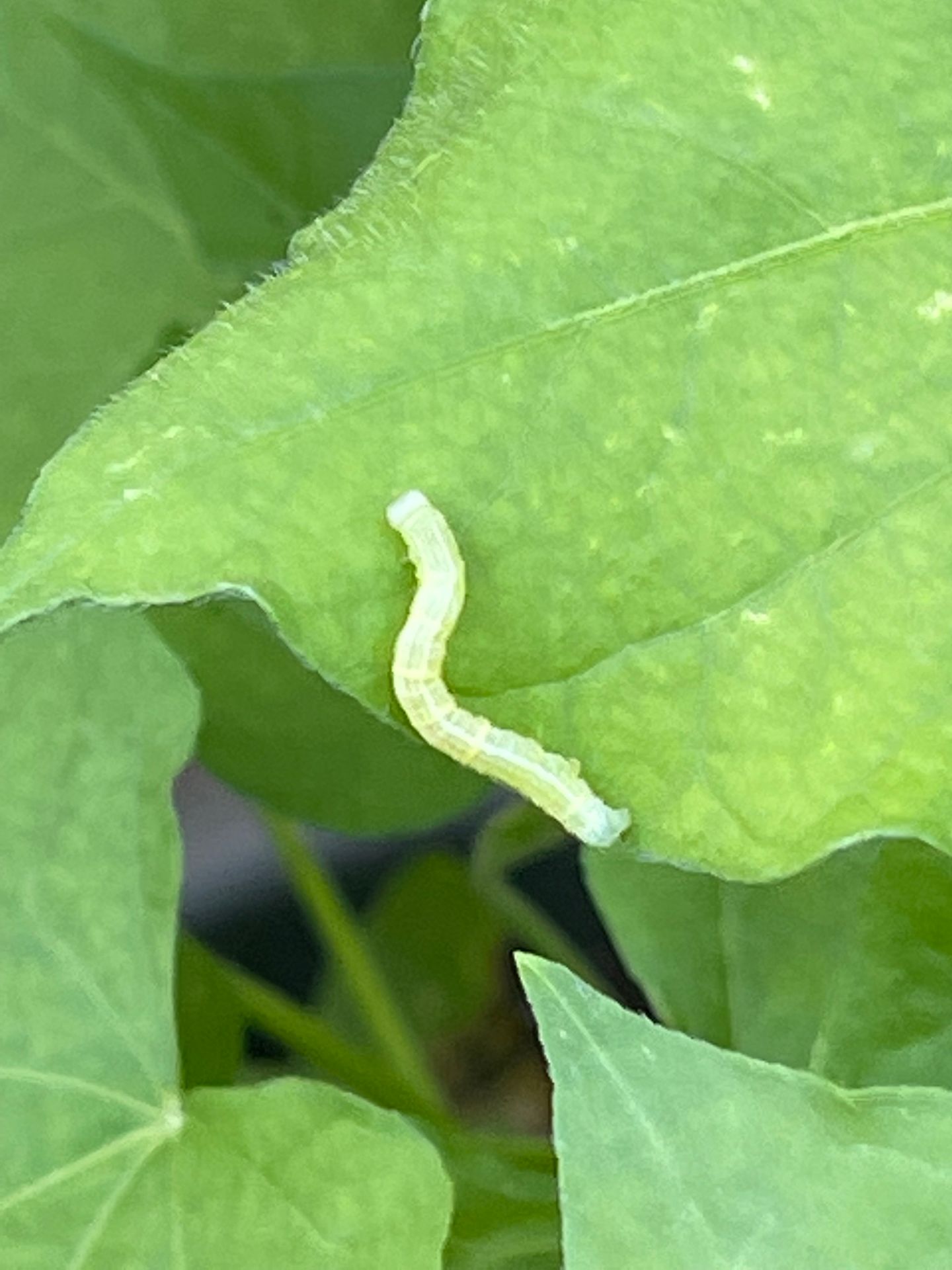
Melanolophia canadaria is a geometrid native to North America. are active from March through September in two annually, with larvae . The is recognized by a distinctive v-shaped dark patch formed by a line across the hindwings. It was first described by Achille Guenée in 1857. Two have been recognized: M. c. crama and M. c. choctawae.
Pronunciation
How to pronounce Melanolophia canadaria: /mɛ.ˌlæ.nəˈloʊ.fi.ə kæˌnəˈdɛr.i.ə/
These audio files are automatically generated. While they are not always 100% accurate, they are a good starting point.
Identification
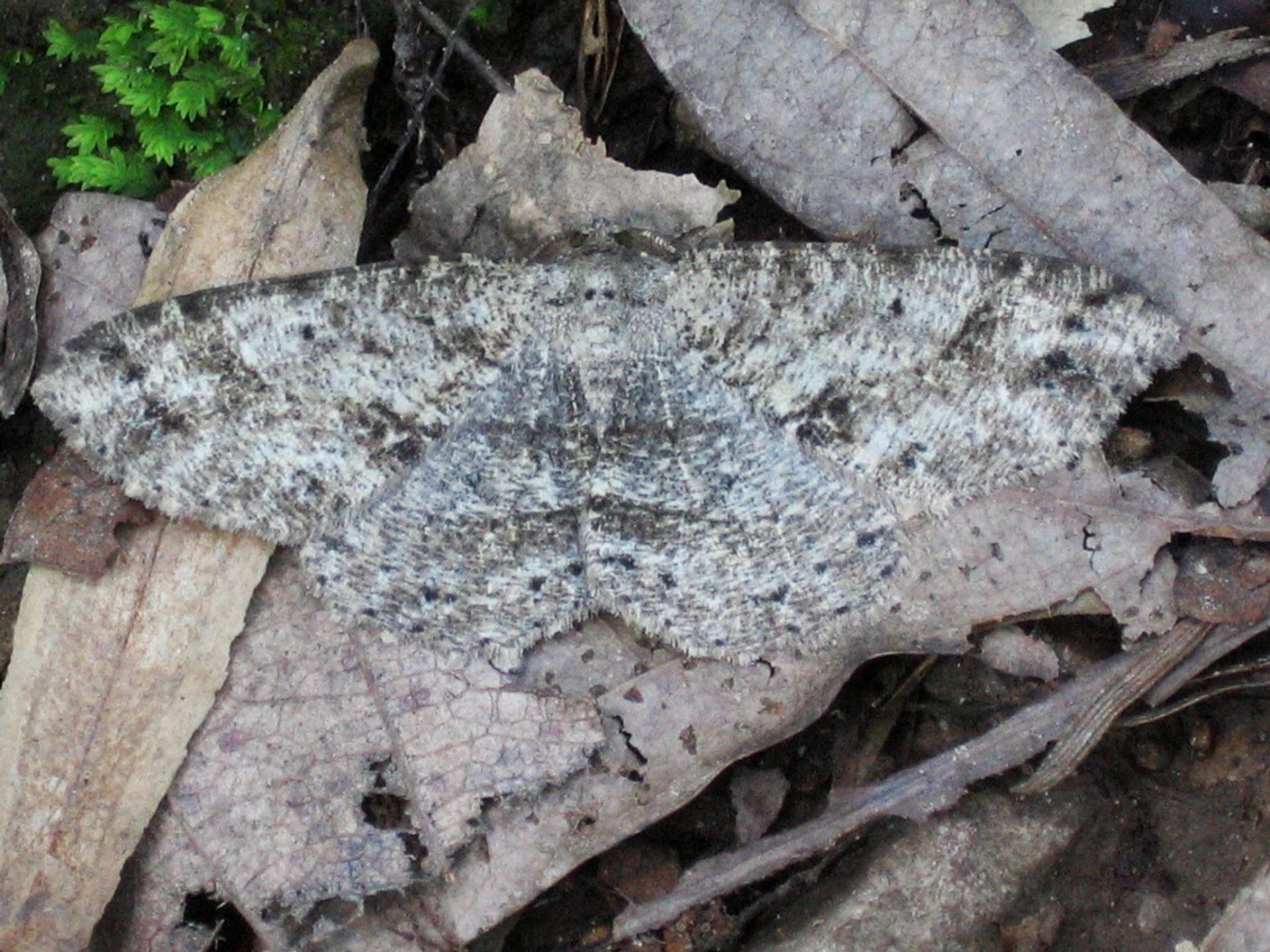
The v-shaped dark patch on the hindwings, created by a transverse line, distinguishes this from other Melanolophia and similar geometrid moths. The combination of brown mottled coloration, wingspan of 30–36 mm, and open-winged resting posture supports identification.
Images
Appearance
Medium-sized with wingspan 30–36 mm. Wings dark brown or brown mottled. All four wings visible and held open at rest. Hindwings bear a transverse line that forms a v-shaped dark patch—this marking is diagnostic for the .
Habitat
Wooded areas and shrublands. Specific microhabitat preferences within these environments are not documented.
Distribution
North America: from Florida to Nova Scotia, west to Saskatchewan, south to Texas. Documented in Canadian provinces including Manitoba and Saskatchewan, and U.S. states including Vermont.
Seasonality
on wing March to September. Two per year. Larvae overwinter.
Diet
Larvae feed on leaves of Betula (birch), Ulmus (elm), Acer (maple), Quercus (oak), Pinus (pine), and Prunus (cherry/plum) . feeding habits are not documented.
Host Associations
- Betula - larval larvae feed on leaves
- Ulmus - larval larvae feed on leaves
- Acer - larval larvae feed on leaves
- Quercus - larval larvae feed on leaves
- Pinus - larval larvae feed on leaves
- Prunus - larval larvae feed on leaves
Life Cycle
: two per year. Overwinters as larvae. and details are not documented.
Behavior
rest with all four wings open and visible. Specific , mating, or defensive are not documented.
Ecological Role
Larval herbivore on diverse woody plant spanning multiple . Specific ecological functions beyond herbivory are not documented.
Similar Taxa
- Other Melanolophia speciesLack the distinctive v-shaped dark patch on hindwings; require examination of wing pattern details for separation
- Other brown geometrid mothsResting posture with wings open is shared with many geometrids; v-shaped hindwing marking distinguishes M. canadaria
More Details
Subspecies
Two recognized: Melanolophia canadaria crama Rindge, 1964 and Melanolophia canadaria choctawae Rindge, 1964. Geographic ranges and distinguishing features of subspecies are not documented in available sources.
Nomenclature
Originally described as Tephrosia canadaria Guenée, 1857. Authorship sometimes cited as [1858] due to publication date variations.