Eufidonia convergaria
(Walker, 1860)
Pine Powder Moth, Converged Powder Moth
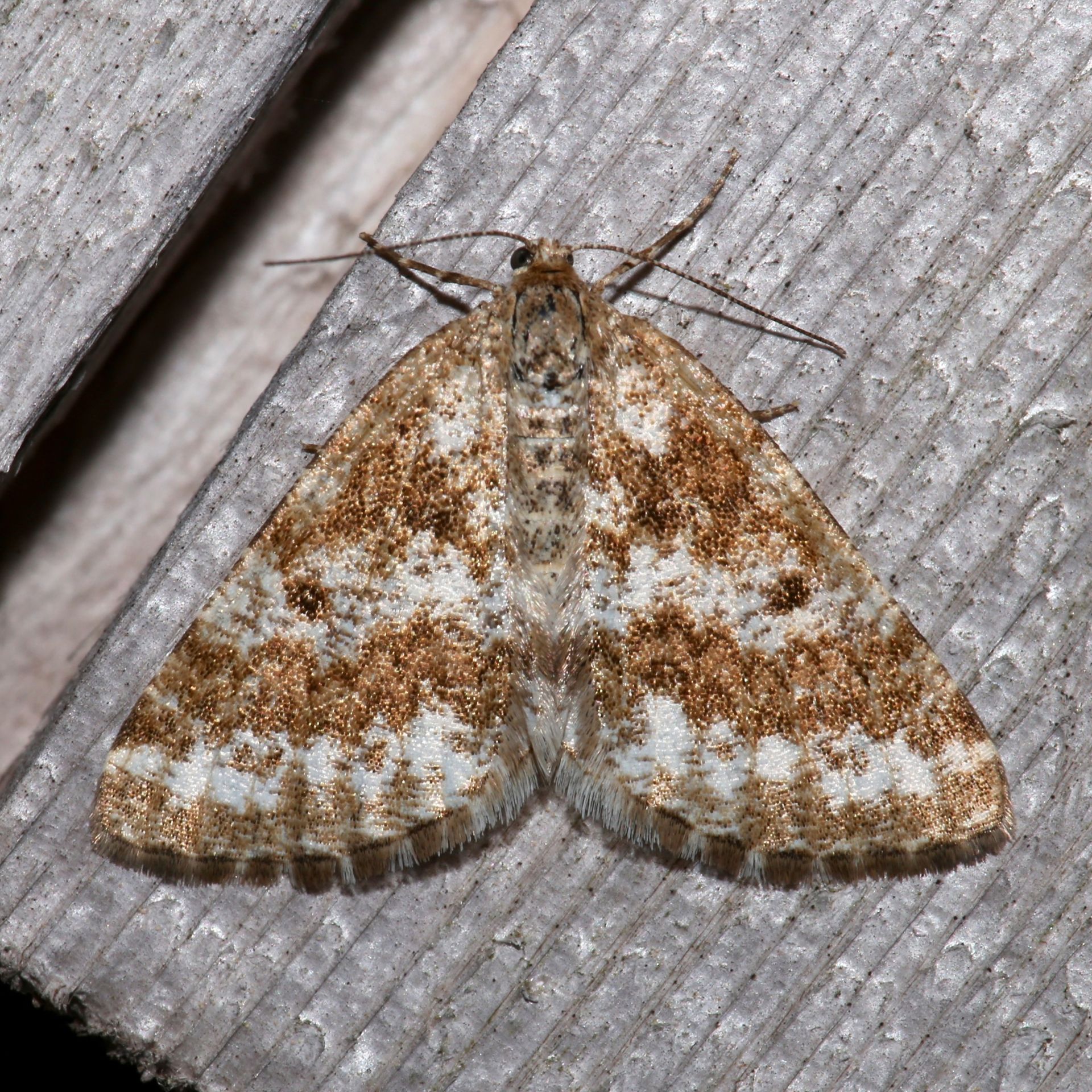
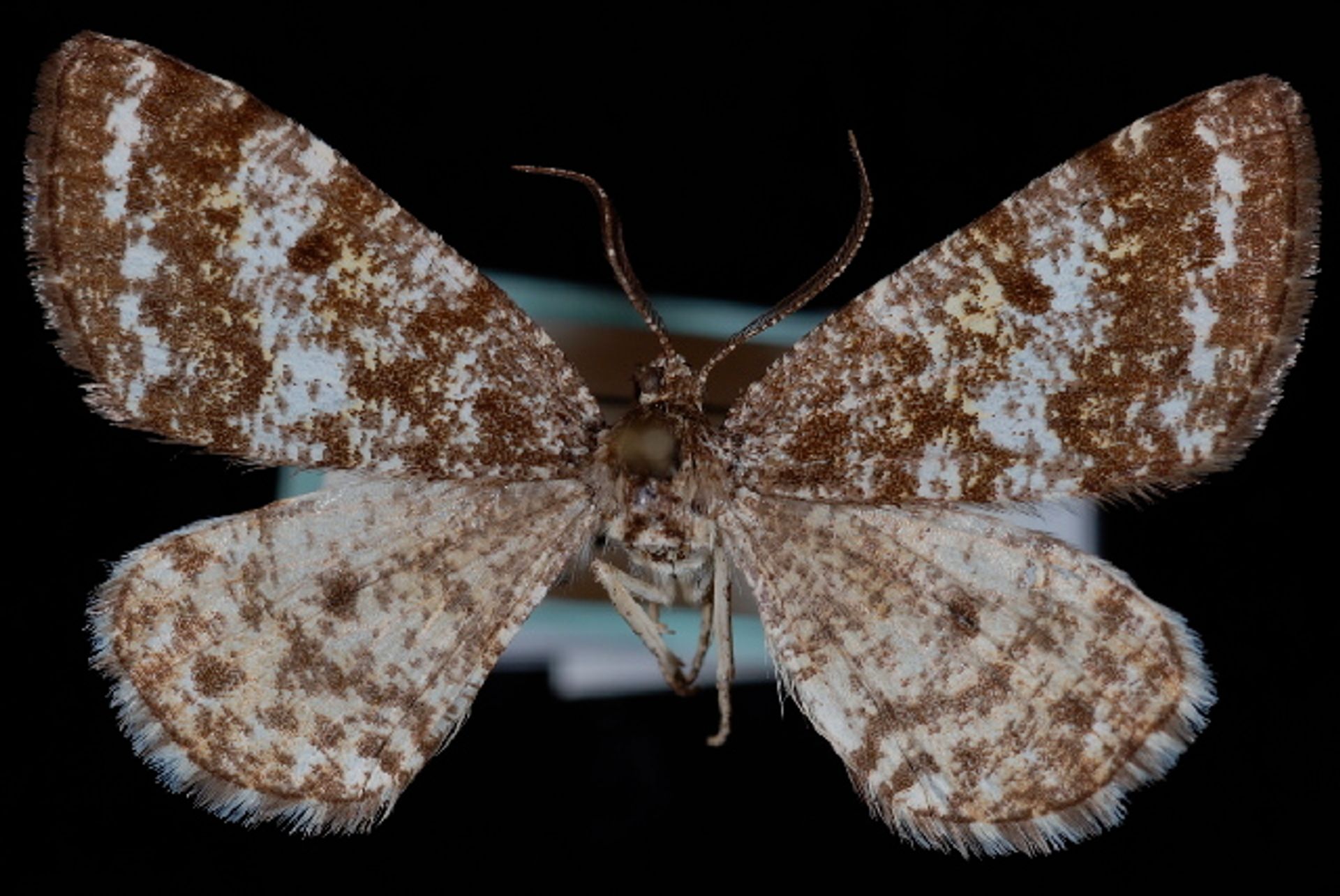
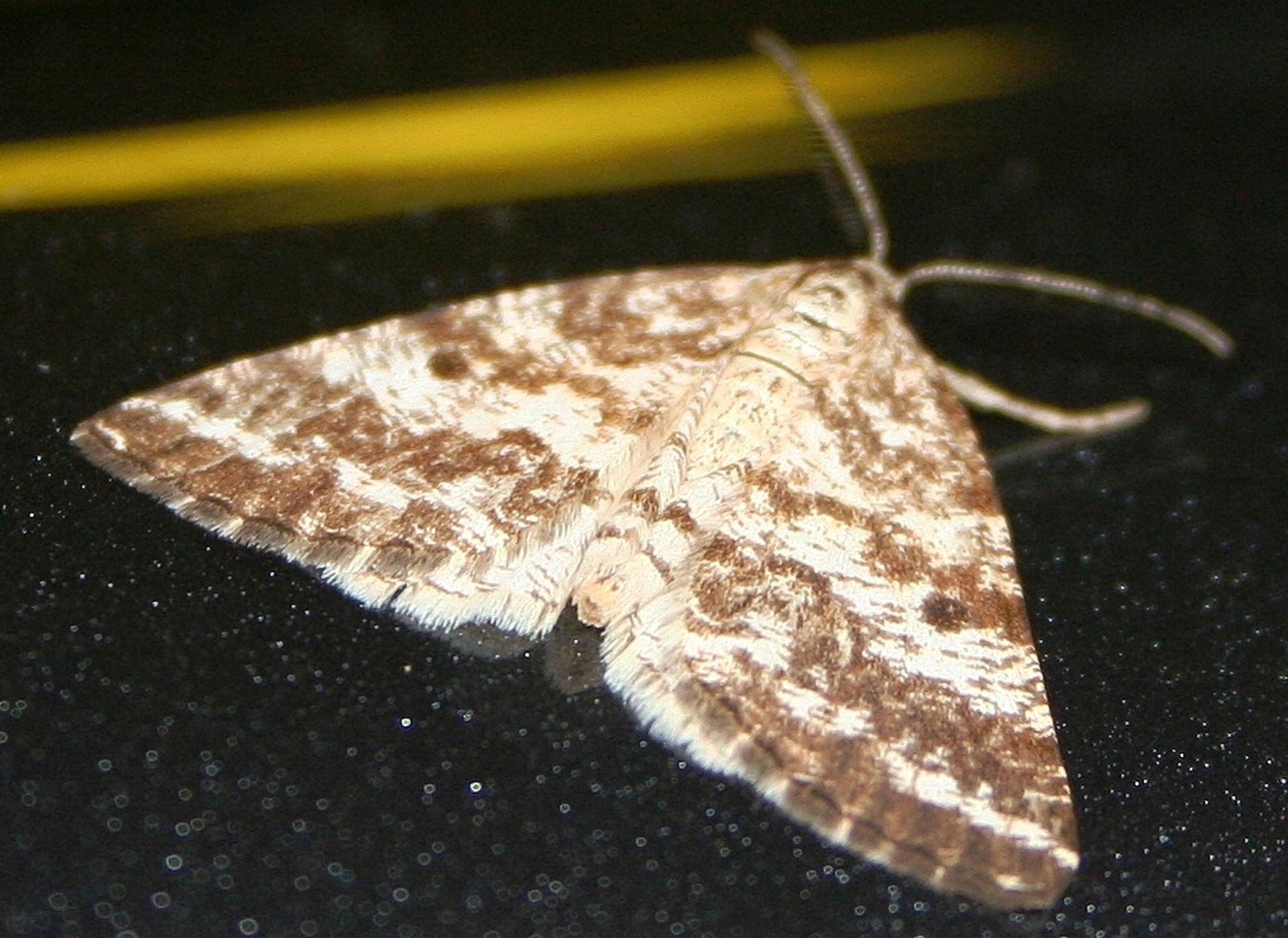
Eufidonia convergaria is a North American geometrid commonly known as the pine powder moth. The is strongly associated with Pinus forests across northern and western regions of the continent. are active in late spring and early summer, with larvae specialized on pine foliage.
Pronunciation
How to pronounce Eufidonia convergaria: /juːfɪˈdoʊniə kənvərˈɡɛriə/
These audio files are automatically generated. While they are not always 100% accurate, they are a good starting point.
Identification
Wingspan 22–30 mm. Forewings gray with fine powdery scaling; lines convergent toward apex, giving its name. Hindwings paler, less marked. . Overall coloration muted, blending with bark and lichen.
Images
Habitat
Coniferous forests dominated by Pinus , particularly stands of white pine, lodgepole pine, and jack pine.
Distribution
Transcontinental in northern North America: Newfoundland west to British Columbia, extending into northwestern United States. Records from Alberta, Manitoba, Saskatchewan, and Vermont.
Seasonality
fly May to July, with timing varying by latitude and elevation.
Diet
Larvae feed on Pinus , specifically documented on white pine (Pinus strobus), lodgepole pine (Pinus contorta), and jack pine (Pinus banksiana). feeding habits not documented.
Host Associations
- Pinus strobus - larval food plantwhite pine
- Pinus contorta - larval food plantlodgepole pine
- Pinus banksiana - larval food plantjack pine
Ecological Role
Larval herbivore in pine forest ; contributes to nutrient cycling through foliar consumption.
Human Relevance
Minor forest insect; not considered a significant pest .
Similar Taxa
- Eufidonia notatariaSimilar size and gray coloration, but lacks convergent forewing lines; associated with different plants
- Eufidonia discospilataOverlapping range and , but forewing pattern differs with discal spot more prominent