
Heliomata
Grote & Robinson, 1866
spring moths
Species Guides
2- Heliomata cycladata(common spring moth)
- Heliomata infulata(Rare Spring Moth)
Heliomata is a of geometer moths in the Geometridae, described by Grote and Robinson in 1866. The genus contains at least four recognized , including the common spring (H. cycladata) and the rare spring moth (H. infulata). Species in this genus are associated with spring periods and have been recorded in North America and parts of Europe.
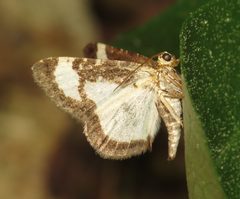
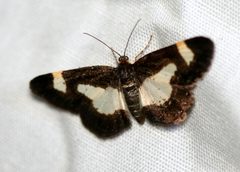
Pronunciation
How to pronounce Heliomata: /hɛliˈoʊmətə/
These audio files are automatically generated. While they are not always 100% accurate, they are a good starting point.
Identification
in this may be distinguished from similar geometrid moths by spring timing and wing pattern characteristics, though specific diagnostic features require examination of . The common spring (H. cycladata) and rare spring moth (H. infulata) are named partly for their seasonal occurrence patterns.
Images
Distribution
Recorded from Denmark (DK), Sweden (SE), the United States (including Vermont), and possibly other North American and European regions based on available occurrence data.
Seasonality
activity primarily in spring; two (H. cycladata and H. infulata) are explicitly named for their spring periods.
More Details
Species list
The includes: Heliomata cycladata Grote & Robinson, 1866 (common spring ); Heliomata fulliola Barnes & McDunnough, 1917; Heliomata glarearia (Denis & Schiffermüller, 1775); and Heliomata infulata (Grote, 1863) (rare spring moth).