Cabera exanthemata
(Scopoli, 1763)
Common Wave, Northern Wave Moth
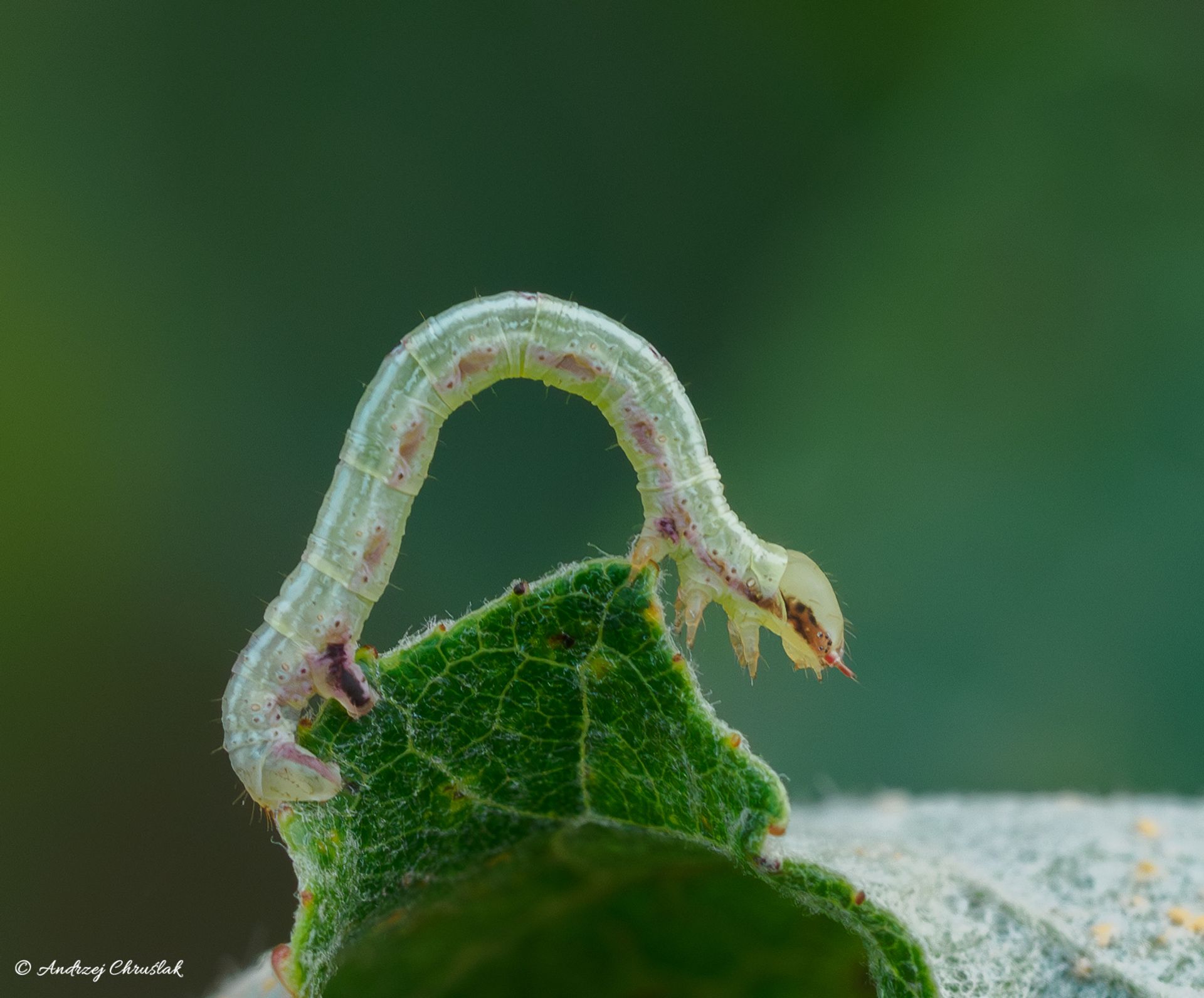
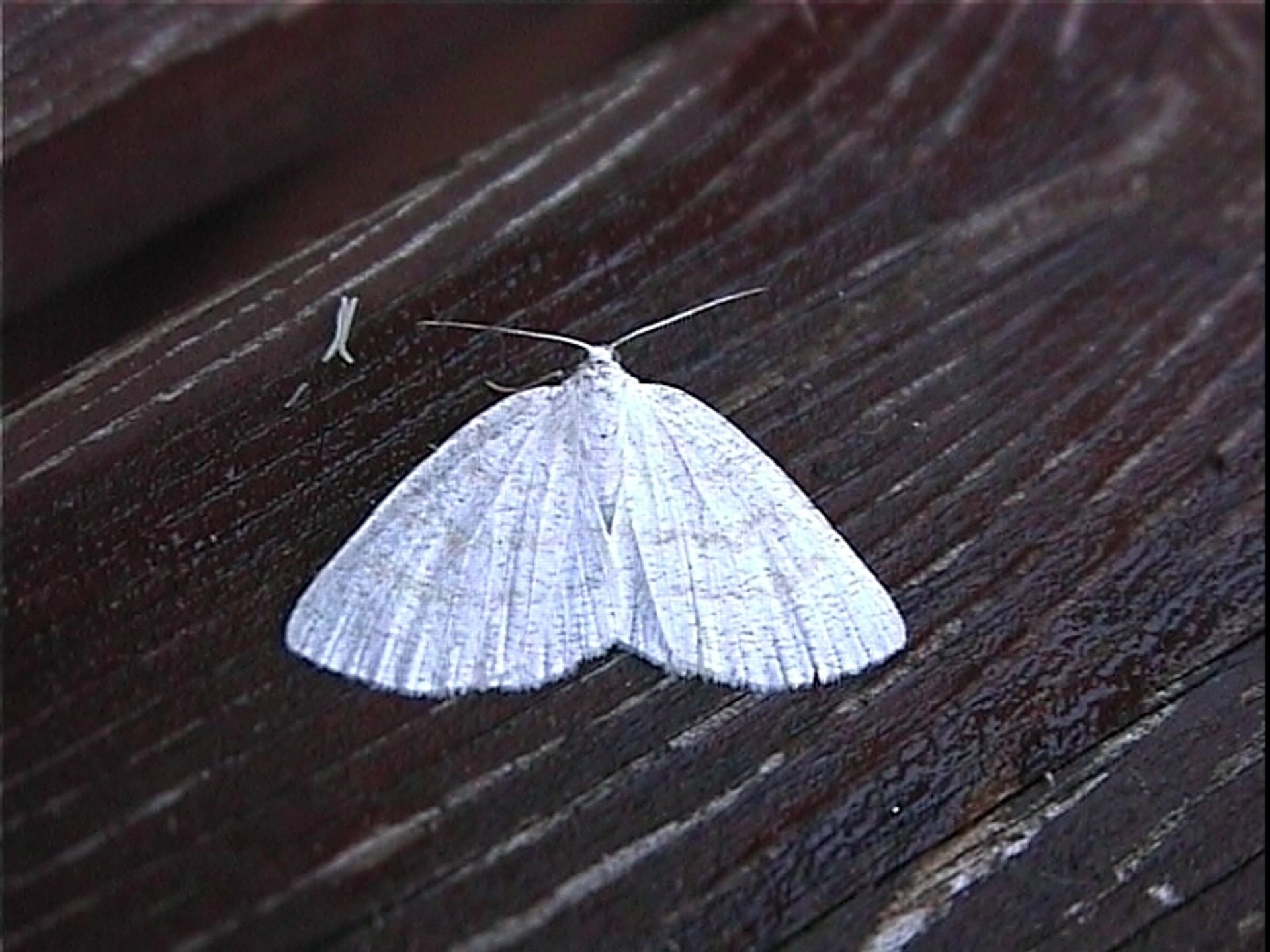
Cabera exanthemata, known as the Common Wave or Northern Wave , is a geometrid moth distributed across the Palearctic region and Near East, with established in North America. The species is well-documented with over 5,900 observations on iNaturalist. It belongs to the Ennominae within the diverse Geometridae .
Pronunciation
How to pronounce Cabera exanthemata: //kəˈbɛɹə ɛksænˈθɛmətə//
These audio files are automatically generated. While they are not always 100% accurate, they are a good starting point.
Identification
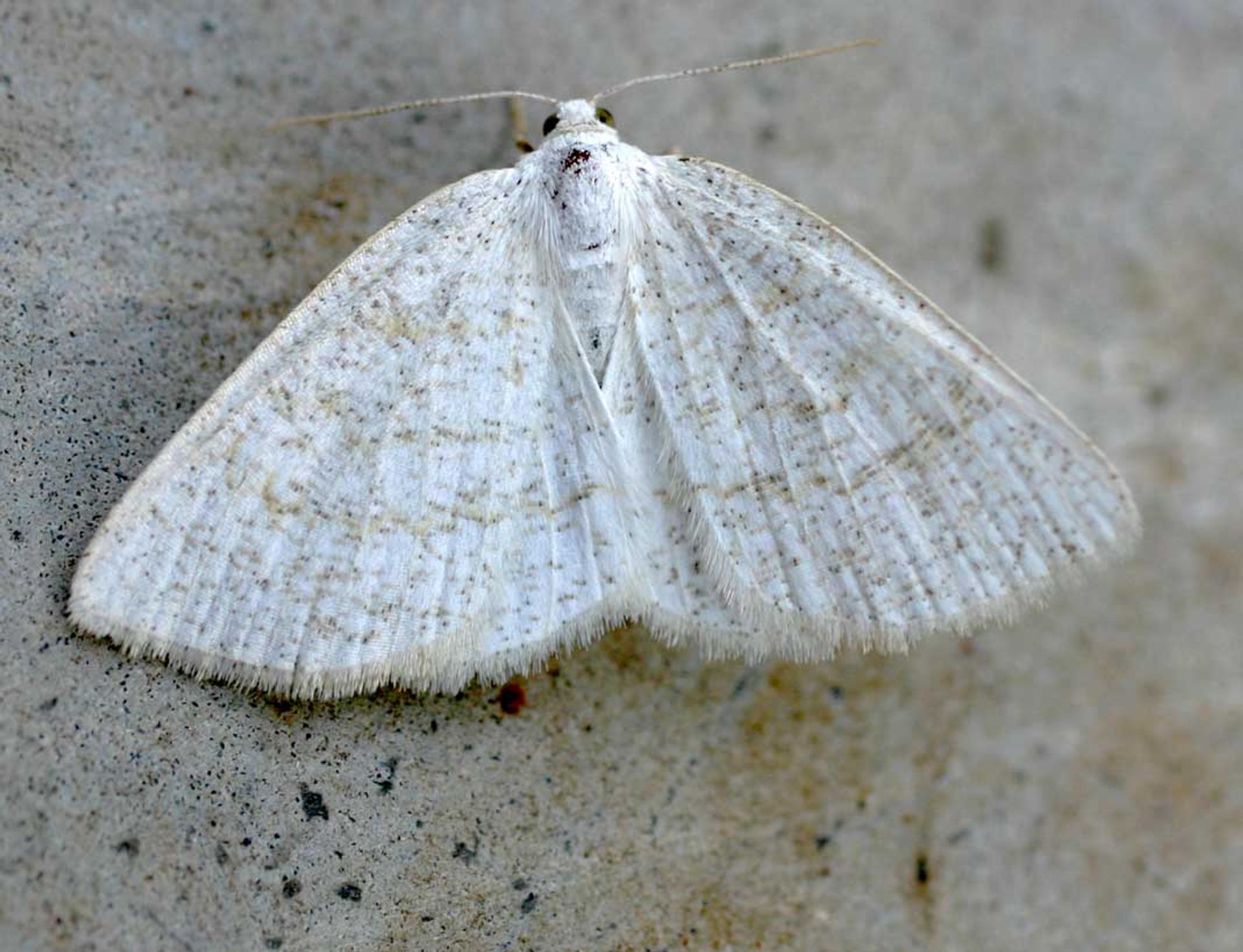
Distinguished from similar Cabera by the specific pattern and number of wavy transverse lines; C. pusaria (Common White Wave) has fewer and less distinct waves. The combination of pale ground color with multiple fine, parallel, wavy brown lines is characteristic. In North America, it can be separated from native geometrids by its distinctive lined pattern and overall pale appearance. Genitalia examination may be required for definitive separation from closely related species.
Images
Appearance
have pale whitish or cream-colored wings with fine, wavy, brownish transverse lines that give the its . The wings are relatively broad and rounded, with a wingspan typically ranging 28–33 mm. The pattern consists of several parallel, undulating lines across both forewings and hindwings, with a small discal spot often present. The body is slender and matches the pale wing coloration. are in both sexes.
Habitat
Deciduous and mixed woodlands, forest edges, hedgerows, and scrubland. are frequently found in areas with abundant birch (Betula) and alder (Alnus), the larval plants. The occurs from lowland to montane elevations.
Distribution
Native to the Palearctic region, including Europe, North Africa, and Asia to Japan. Introduced and established in North America. Present throughout Belgium including all administrative regions. The has been documented across the Near East.
Seasonality
are active from May to August in temperate regions, with peak typically in June and July. In favorable conditions, a partial second may occur in late summer. The overwinters as a pupa.
Diet
Larvae feed on leaves of birch (Betula spp.) and alder (Alnus spp.). do not feed.
Host Associations
- Betula - larval plantprimary
- Alnus - larval plantsecondary
Life Cycle
or partially depending on latitude and climate. are laid on plant leaves. Larvae feed externally on foliage, resting along leaf edges or twigs. occurs in a loose cocoon among leaf litter or in soil. The pupal stage overwinters.
Behavior
are and attracted to light. They rest with wings held flat or slightly overlapping, displaying the characteristic wavy pattern. When disturbed, they may drop to the ground and remain motionless. Larvae are twig-mimics, resting with body extended at an angle from branches.
Ecological Role
Larvae function as folivores on birch and alder, contributing to nutrient cycling in woodland . The serves as prey for various including birds, bats, and predatory arthropods.
Human Relevance
Occasionally encountered by enthusiasts and in light-trapping surveys. Not considered an economic pest despite larval feeding on birch and alder. Used as an for woodland quality in some ecological monitoring programs.
Similar Taxa
- Cabera pusariaSimilar pale coloration and wavy lines, but has fewer, less pronounced waves and slightly different wing shape; genitalia differ
- Lomographa bimaculataWhite geometrid with different pattern (two prominent spots rather than multiple wavy lines)
More Details
Taxonomic history
Originally described as Phalaena exanthemata by Scopoli in 1763, later transferred to Cabera. The name 'exanthemata' refers to the wavy, rash-like pattern on the wings.
North American status
The is considered introduced and established in North America, though the timing and mechanism of introduction remain unclear. It is now regularly recorded in northeastern North America.