Nepterotaea dorotheata
(Sperry, 1949)
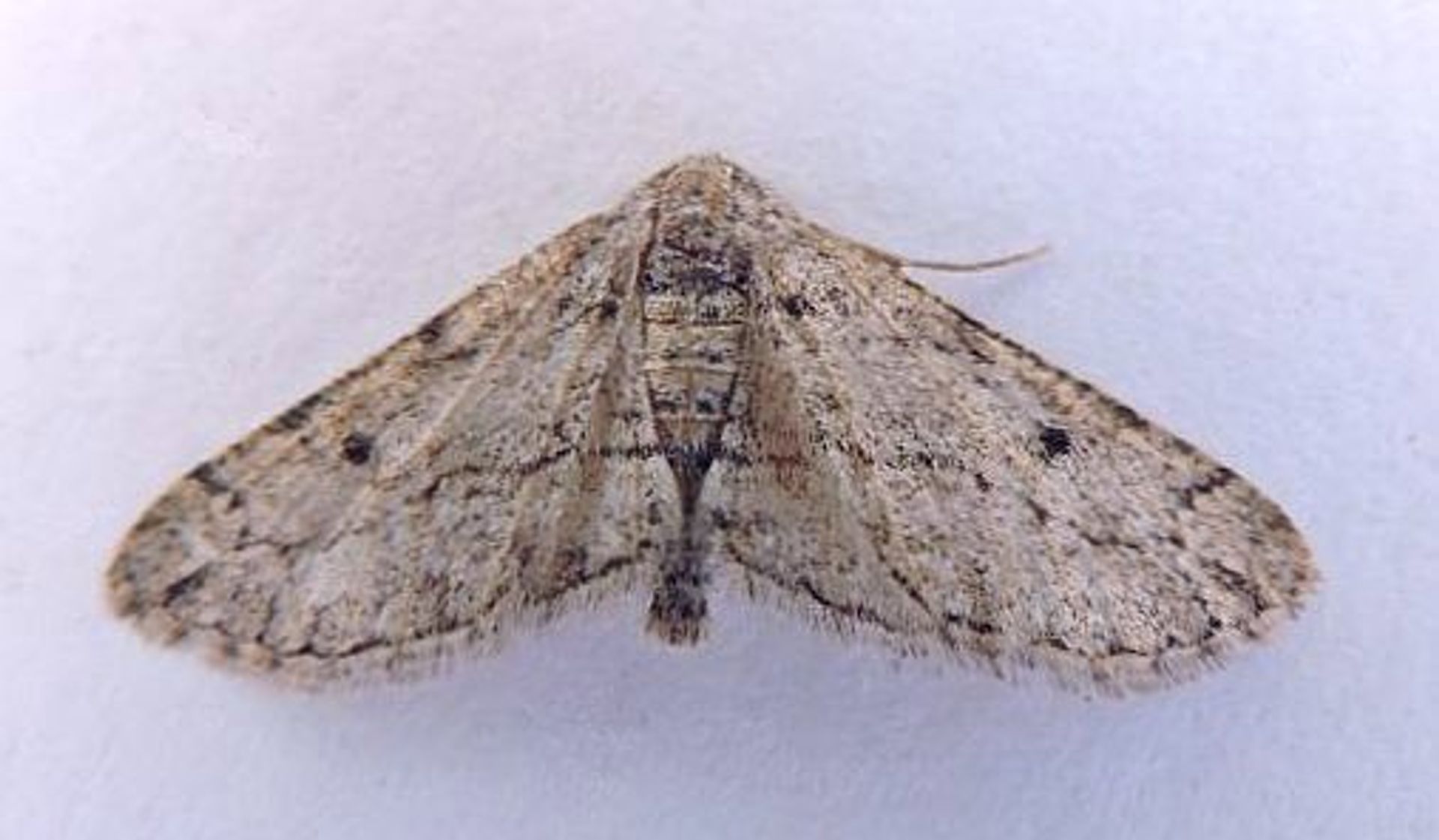
Nepterotaea dorotheata is a of geometrid in the Geometridae, Ennominae. It was described by Sperry in 1949. The Nepterotaea is to western North America and contains a small number of species characterized by distinctive wing patterns. This species is poorly documented in the scientific literature, with limited observational records available.
Pronunciation
How to pronounce Nepterotaea dorotheata: /nɛptɛˈroʊtiːə doʊroʊˈθiːətə/
These audio files are automatically generated. While they are not always 100% accurate, they are a good starting point.
Identification
The Nepterotaea is distinguished from related geometrid genera by wing pattern elements including transverse lines and discal spots on the forewings. within the genus are separated primarily by differences in wing pattern details, genitalia , and geographic distribution. N. dorotheata specifically may be distinguished from by subtle pattern variations, though precise diagnostic features require examination of type material or original description.
Images
Distribution
Western North America. The Nepterotaea has a restricted distribution in this region, with occurring in arid and semi-arid .
Similar Taxa
- Nepterotaea obliqua with overlapping western North American distribution; distinguished by wing pattern details and genitalia .
- Nepterotaea semiaurata with similar preferences; separation requires examination of wing pattern elements and male genitalia.
More Details
Taxonomic Notes
The Nepterotaea was established by Rindge in 1968 and contains approximately 4-5 described . The group is considered to western North America and is classified within the tribe Boarmiini of Ennominae. The original description by Sperry (1949) provides the primary reference for this species.
Data Limitations
This is represented by few observations in public databases (4 records on iNaturalist as of source date). No published , larval plant, or detailed ecological studies have been identified. Most available information derives from taxonomic revisions of the rather than species-specific research.