
Iridopsis pergracilis
(Hulst, 1900)
cypress looper moth, Cypress Gray
Iridopsis pergracilis, commonly known as the cypress looper or Cypress Gray, is a geometrid moth described by George Duryea Hulst in 1900. The species occurs in the eastern United States from Maryland to Florida. have a wingspan of 26–28 mm. The larvae are specialized feeders on Taxodium distichum (bald cypress), including the variety T. distichum var. nutans.
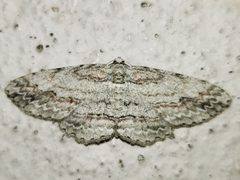
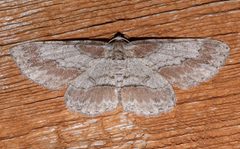
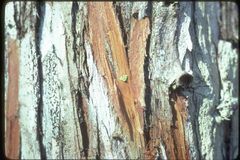
Pronunciation
How to pronounce Iridopsis pergracilis: /ˌɪrɪˈdɒpsɪs pɜːrˈɡræʃɪlɪs/
These audio files are automatically generated. While they are not always 100% accurate, they are a good starting point.
Identification
The can be distinguished from related Iridopsis species by its association with cypress plants and its restricted coastal plain distribution from Maryland to Florida. Conclusive identification may require examination of genitalia or molecular markers, as is common for many geometrid species. The Iridopsis was revised by Rindge (1966), who clarified species boundaries previously confused under the synonym Anacamptodes.
Images
Habitat
Associated with Taxodium distichum (bald cypress) swamps and wetland forests. The larval plant requirement indicates dependence on cypress-dominated wetland .
Distribution
Eastern United States, from Maryland south to Florida. Distribution corresponds to the natural range of its primary plant, Taxodium distichum.
Diet
Larvae feed exclusively on Taxodium distichum (bald cypress), including the variety T. distichum var. nutans (pond cypress). feeding habits are not documented.
Host Associations
- Taxodium distichum - larval food plantbald cypress
- Taxodium distichum var. nutans - larval food plantpond cypress variety
Ecological Role
As a herbivore on Taxodium distichum, the contributes to nutrient cycling in cypress wetland . Its specialized association suggests potential role as an for cypress swamp integrity.
Human Relevance
No documented economic importance. The is not considered a pest of forestry or agriculture. Its restricted range on native cypress trees precludes significant interaction with human activities.
Similar Taxa
- Iridopsis humilisAlso reported from soybean in some literature, but differs in larval coloration (purple-brown/yellow-green with relatively thickened body) and plant association.
- Iridopsis herseCentral American previously placed in Anacamptodes, reported as a soybean pest in Honduras; with I. pergracilis and not found in the United States.
- Other Geometridae larvaeGeneral resemblance to inchworm/looper larvae of other geometrid , but distinguished by specific association with cypress plants.
More Details
Taxonomic history
The was originally described by George Duryea Hulst in 1900. The Iridopsis was subject to revision by Rindge (1966), who clarified relationships with the former synonym Anacamptodes. Some literature references to Anacamptodes species on soybean may pertain to Iridopsis species, but I. pergracilis itself is strictly associated with cypress and not soybean.
Conservation considerations
The specialized dependence on Taxodium distichum makes this vulnerable to loss of cypress swamp through wetland drainage, coastal development, and sea level rise affecting its Maryland-to-Florida range.