
Iridopsis ephyraria
(Walker, 1860)
Pale-winged Gray
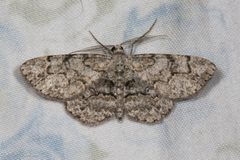
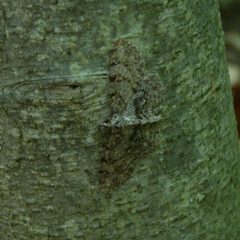
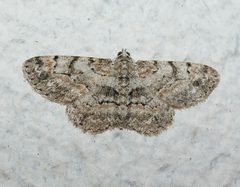
Iridopsis ephyraria, commonly known as the pale-winged gray, is a in the Geometridae (geometer moths). First described by Francis Walker in 1860, this species occurs across eastern North America from Canada to the southern United States. The are active during summer months, and the larvae feed on a diverse range of woody plants.
Pronunciation
How to pronounce Iridopsis ephyraria: /ˌɪrɪˈdɒpsɪs ˌɛfɪˈrɛəɹɪə/
These audio files are automatically generated. While they are not always 100% accurate, they are a good starting point.
Identification
The can be distinguished from similar Iridopsis species by its pale gray wing coloration and geographic distribution. Definitive identification may require examination of genitalia or reference to specialized taxonomic keys for the Iridopsis.
Images
Habitat
Associated with supporting its diverse woody plants, including forests and wooded areas. The has been observed in agricultural contexts where host plants occur.
Distribution
Occurs in the United States and southern Canada east of the Rocky Mountains. Range extends from New Brunswick to Florida, west to Texas, and north to Alberta. Specific provincial and state records include Alberta, Manitoba, Saskatchewan, and Vermont.
Seasonality
are active from June to September. Larval activity period is not explicitly documented but presumably overlaps with or precedes adult period.
Diet
Larvae feed on a wide range of woody plants including Fraxinus (ash), Abies balsamea (balsam fir), Betula (birch), Praxinus virginiana (chokecherry), Tsuga canadensis (eastern hemlock), Ulmus (elm), Ribes uva-crispa (gooseberry), Acer (maple), and Salix (willow) .
Host Associations
- Fraxinus - larval food plantash
- Abies balsamea - larval food plantbalsam fir
- Betula - larval food plantbirch
- Prunus virginiana - larval food plantchokecherry
- Tsuga canadensis - larval food planteastern hemlock; documented as a defoliator of this in eastern Canada
- Ulmus - larval food plantelm
- Ribes uva-crispa - larval food plantgooseberry
- Acer - larval food plantmaple
- Salix - larval food plantwillow
Life Cycle
Complete with , larval, pupal, and stages. Specific details of progression and stage are not documented in available sources.
Behavior
Larvae are defoliators of plants. are and attracted to light.
Ecological Role
Larvae function as primary consumers (herbivores) on woody plants. The ichneumonid Pimpla pedalis has been documented as a of pupae, indicating the serves as for natural enemies.
Human Relevance
Larvae have been documented as a defoliator of eastern hemlock (Tsuga canadensis) in eastern Canada, suggesting potential minor forestry or ornamental pest status in specific contexts. Not considered a major agricultural pest despite broad range.
Similar Taxa
- Iridopsis humilisSimilar and appearance; distinguished by larval coloration (purple-brown/yellow-green with relatively thickened body) and preferences including soybean
- Iridopsis herseFormerly placed in same (as Anacamptodes herse); distinguished by strict Central American distribution and different larval
More Details
Taxonomic History
Originally described as Boarmia ephyraria by Francis Walker in 1860; later transferred to Iridopsis. The genus Anacamptodes was synonymized with Iridopsis, bringing additional into this genus.
Research Significance
Documented as a defoliator of eastern hemlock in eastern Canada, contributing to understanding of native insect herbivores on this tree .