Hulstina exhumata
(Swett, 1918)
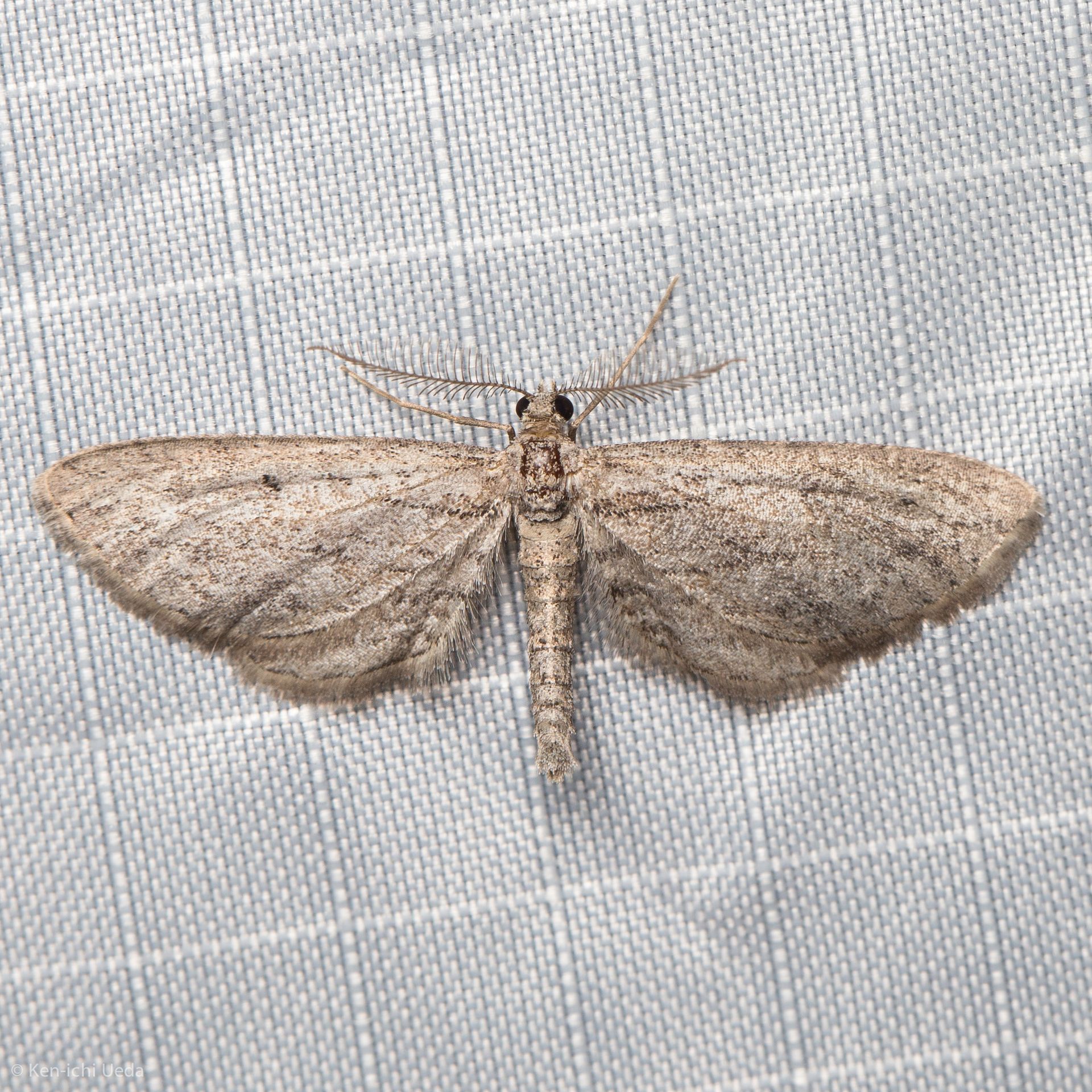
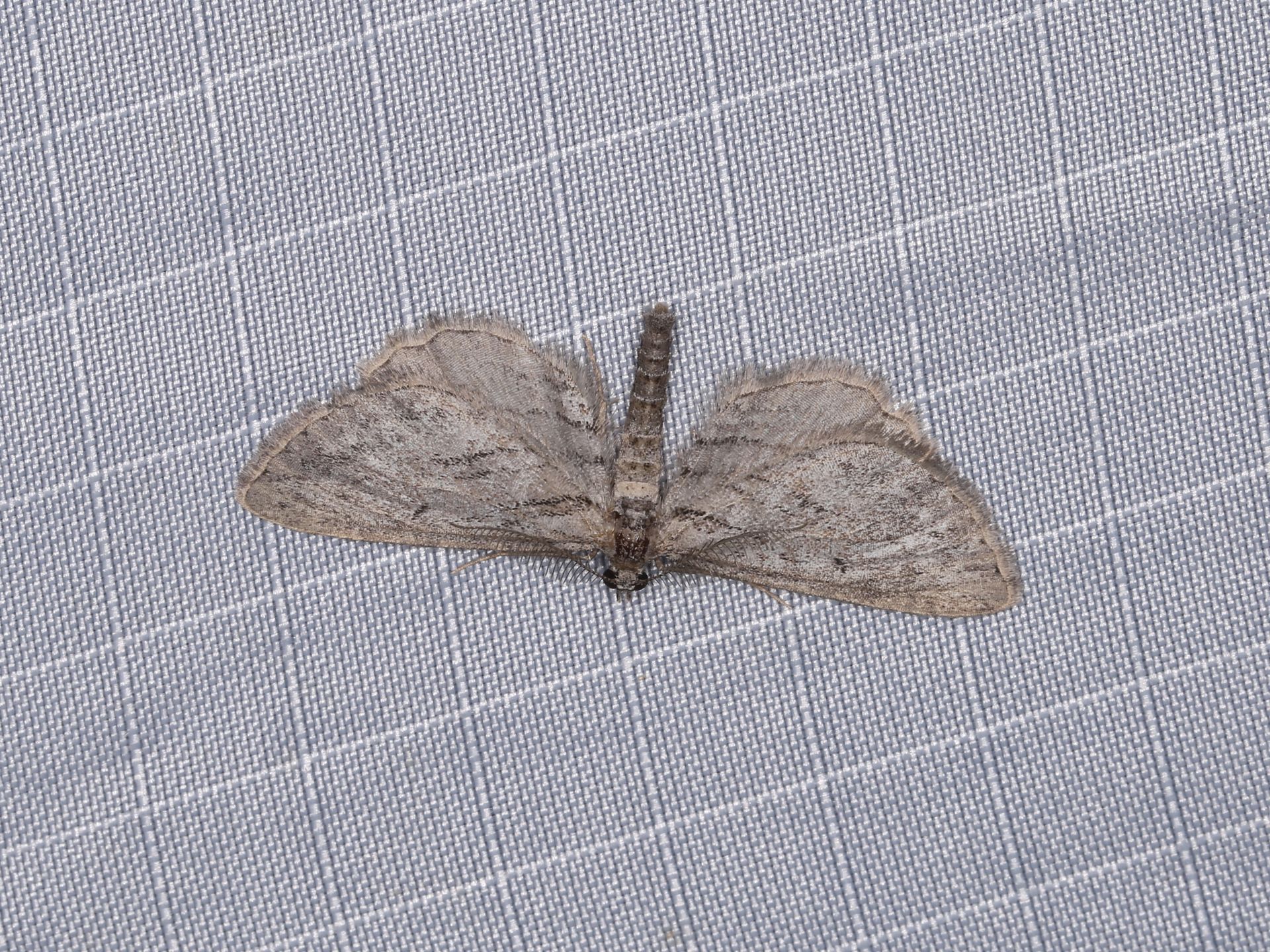
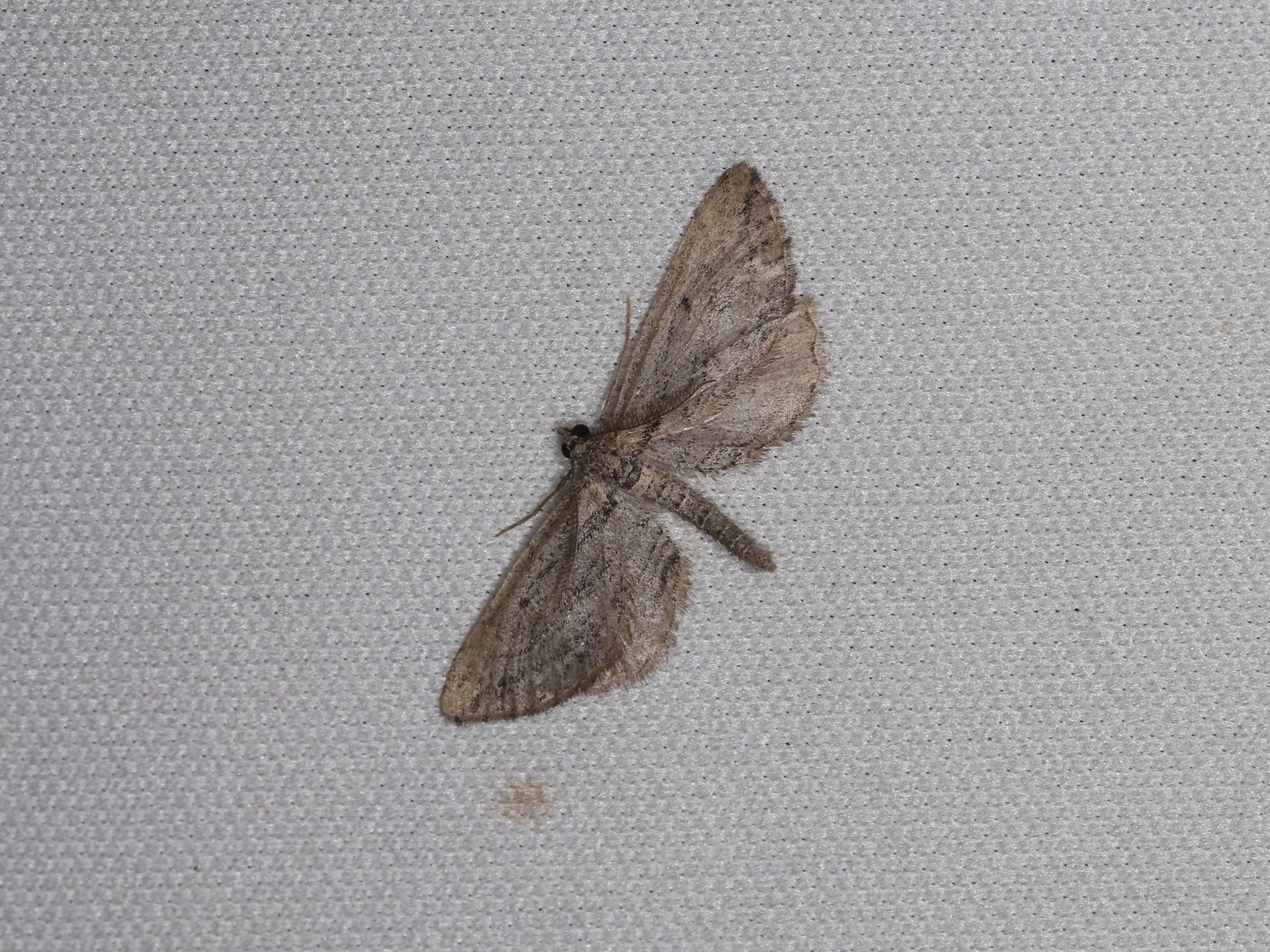
Hulstina exhumata is a of geometrid in the Geometridae, first described by Swett in 1918. It is known from North America, though specific details about its remain poorly documented. The species has received limited scientific attention, with few observations recorded.
Pronunciation
How to pronounce Hulstina exhumata: //hʊlˈstɪnə ɛkˈsjuːmətə//
These audio files are automatically generated. While they are not always 100% accurate, they are a good starting point.
Identification
Hulstina exhumata can be distinguished from related by its placement in the Hulstina, which is characterized by specific wing pattern elements in the Ennominae . The specific epithet "exhumata" (meaning "exhumed" or "dug up") may allude to coloration or pattern resembling earth or soil tones, though this is speculative. Definitive identification requires examination of genitalia or detailed wing pattern analysis against .
Images
Distribution
North America. Specific range details beyond this continental designation are not well established in available literature.
Similar Taxa
- Other Hulstina species share the same -level characteristics of wing shape and pattern elements in the Ennominae , requiring careful examination for separation.
- Other Ennominae geometridsMembers of this diverse share similar body plans and wing patterns; Hulstina exhumata is distinguished by -specific traits.
More Details
Nomenclature
The specific epithet 'exhumata' is Latin for 'exhumed' or 'dug up,' possibly referring to the 's appearance or the circumstances of its discovery. The was described by Louis W. Swett in 1918.
Taxonomic placement
Placed in Ennominae based on Catalogue of Life classification. The Hulstina is relatively small and not well studied.
Observation status
As of available records, iNaturalist documents 7 observations, indicating this is rarely encountered or underreported.
Hodges number
MONA ( Photographers Group) or Hodges number 6546.