
Phigalia plumogeraria
Hulst, 1888
Walnut Spanworm Moth
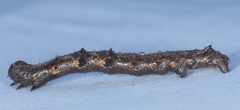
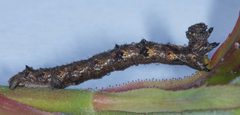
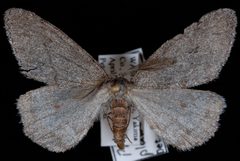
Phigalia plumogeraria, the walnut spanworm , is a of geometrid moth in the Geometridae. It is found in North America. The species is assigned MONA/Hodges number 6661. It belongs to the Phigalia, which includes other early spring-emerging geometer moths with similar .
Pronunciation
How to pronounce Phigalia plumogeraria: /faɪˈɡeɪ.li.ə pluː.moʊ.dʒəˈreɪ.rɪə/
These audio files are automatically generated. While they are not always 100% accurate, they are a good starting point.
Identification
The can be distinguished from by its specific epithet and taxonomic assignment. Within the Phigalia, species are often differentiated by wing pattern, size, and genitalia. Phigalia plumogeraria is one of several Phigalia species that emerge early in spring. Males are winged; females of some related Phigalia species are wingless, though this trait is not confirmed for P. plumogeraria specifically. Accurate identification to species level typically requires examination of genitalia or reference to regional faunal treatments.
Images
Distribution
North America. Specific range details beyond continental distribution are not documented in available sources.
Seasonality
are active in early spring. This pattern is consistent with other Phigalia , which are among the earliest geometrid moths to emerge each year.
Host Associations
- walnut - larval Implied by "walnut spanworm ," though specific plant documentation is not confirmed in available sources
Life Cycle
details are not documented in available sources. Related Phigalia have one per year, with emerging in early spring and larvae feeding on plants.
Behavior
are attracted to artificial light sources at night. This has been documented through blacklighting observations.
Similar Taxa
- Phigalia strigatariaSmall Phigalia moth shares nearly identical geographic distribution, temporal distribution, and ; both are early spring-emerging geometrids in the same
- Paleacrita vernataSpring Cankerworm moth shares similar early spring period and wingless female trait (in P. vernata), though in a different
More Details
Taxonomic identifier
MONA or Hodges number: 6661