
Hypagyrtis esther
(Barnes, 1928)
Esther Moth
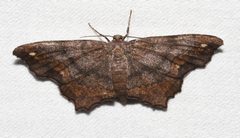
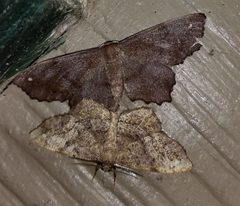
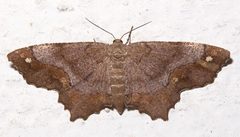
Hypagyrtis esther, commonly known as the Esther , is a of geometrid moth first described by William Barnes in 1928. The species exhibits a broad distribution across the eastern and central United States. display extended periods with regional variation in timing. Larvae are specialized feeders on pine foliage.
Pronunciation
How to pronounce Hypagyrtis esther: /hɪpaˈɡɪrtɪs ˈɛstɛr/
These audio files are automatically generated. While they are not always 100% accurate, they are a good starting point.
Identification
The can be distinguished from other Hypagyrtis species by geographic range and period. The broad wingspan range (25–45 mm) suggests potential size variation or overlap with similar species. Confirmation may require examination of genitalia or molecular identification.
Images
Appearance
have a wingspan of 25–45 mm. Specific wing pattern details are not documented in available sources.
Habitat
Associated with pine forests and woodlands, given larval plant requirements. Specific preferences beyond host plant presence are not documented.
Distribution
Found in the United States from Massachusetts to Florida, west to Texas, and north to Ohio. Records from Vermont confirm northern range extent.
Seasonality
are on wing from May to October across the range. In Ohio, peak activity occurs from July to August, suggesting possible regional variation or pattern.
Diet
Larvae feed on leaves of Pinus (pines). feeding habits are not documented.
Host Associations
- Pinus - larval Larvae feed on leaves of Pinus
Life Cycle
Complete with , larval, pupal, and stages. Specific details of developmental timing, number of , and stage are not documented.
Behavior
activity inferred from characteristics, but specific are not documented.
Ecological Role
Larvae function as herbivores on pine foliage, contributing to nutrient cycling in forest . Specific ecological impacts or -prey relationships are not documented.
Human Relevance
No documented economic or medical significance. Not known to be a pest .
Similar Taxa
- Hypagyrtis unipunctataSimilar and geographic range; requires careful examination to distinguish
- Other Geometridae speciesBroad wingspan range and variable patterning may cause confusion with unrelated geometrids
More Details
Original Description
First described by William Barnes in 1928 as Paraphia esther, later transferred to Hypagyrtis.
Observation Record
iNaturalist records 4,705 observations, indicating the is relatively well-documented by citizen scientists.
Sources and further reading
- BugGuide
- Wikipedia
- GBIF taxonomy match
- iNaturalist taxon
- NCBI Taxonomy
- Catalogue of Life
- Oh, the Bugs They Saw at the Bohart! | Bug Squad
- Malaria, Memorial Day and Memories of the Civil War | Bug Squad
- For the Love of Butterflies | Bug Squad
- Who's Speaking at UC Davis Entomology Fall Seminars? | Bug Squad
- Mosquitoes, Malaria and the Civil War | Bug Squad
- Study: More IPM Knowledge Could Help Leafy Amaranth Farmers in East Africa