
Pero radiosaria
(Hulst, 1886)
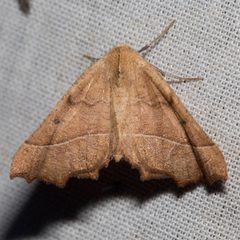
Pero radiosaria is a geometrid described by George Duryea Hulst in 1886. It occurs in southwestern North America, ranging from southern California to Texas. have a wingspan of 28–36 mm and have been recorded on wing year-round. The larvae feed specifically on Clematis drummondii.
Pronunciation
How to pronounce Pero radiosaria: /ˈpɛroʊ ˌreɪdiˈoʊsəriə/
These audio files are automatically generated. While they are not always 100% accurate, they are a good starting point.
Identification
Distinguished from other Pero by geographic range and association with Clematis drummondii as a larval . The MONA/Hodges number 6749 provides a standardized reference for North American identification.
Images
Appearance
have a wingspan of 28–36 mm. Specific wing pattern details are not well documented in available sources.
Habitat
Associated with where the larval plant Clematis drummondii occurs; specific habitat types are not well documented beyond this host relationship.
Distribution
Recorded from southern California to Texas in southwestern North America.
Seasonality
have been recorded on wing year round.
Diet
Larvae feed on Clematis drummondii. feeding habits are not documented.
Host Associations
- Clematis drummondii - larval food plantSpecific plant for larval development
Similar Taxa
- Other Pero speciesCongeneric in the Pero may overlap in range and require careful examination for proper identification
More Details
Taxonomic reference
MONA or Hodges number: 6749
Sources and further reading
- BugGuide
- Wikipedia
- GBIF taxonomy match
- iNaturalist taxon
- NCBI Taxonomy
- Catalogue of Life
- Why Honey Is Neither Bee Vomit Nor Bee Barf | Bug Squad
- They Quickly Learned What All the Buzz Was About | Bug Squad
- Spectroscopy Opens Potential for Ultra-Early Pest Detection in Crops
- Bad Roommates: Study Tracks Mice to Nests, Finds Ticks Aplenty
- A New Guide for Tick Researchers on Working With Mice
- Veterinary Medicine Offers Potential as New Tool to Reduce Lyme Disease