Pero occidentalis
(Hulst, 1896)
Western Pero Moth, western pero
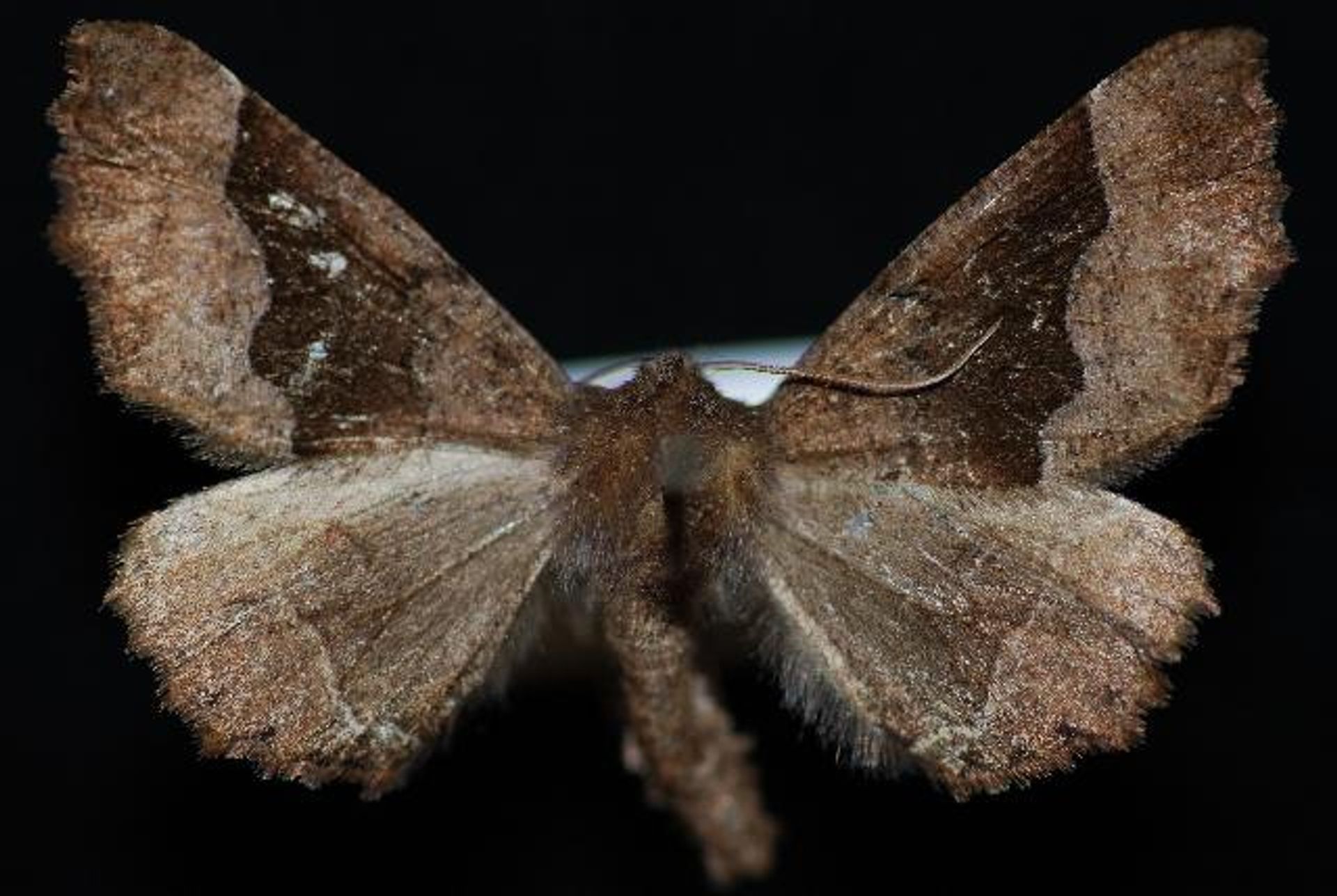
Pero occidentalis, commonly known as the western pero , is a of geometrid moth described by George Duryea Hulst in 1896. It belongs to the Geometridae, a large group commonly called inchworms or geometer moths due to their characteristic larval locomotion. The species is native to North America and is cataloged with MONA/Hodges number 6761. Like other members of Pero, it is part of the diverse Ennominae .


Pronunciation
How to pronounce Pero occidentalis: //ˈpɛroʊ ˌɒksɪˈdɛntəlɪs//
These audio files are automatically generated. While they are not always 100% accurate, they are a good starting point.
Identification
Identification of Pero occidentalis requires examination of genitalic structures and wing pattern details that distinguish it from in the Pero. The genus Pero contains numerous visually similar , making accurate identification difficult without dissection or molecular analysis. Specimens should be compared with vouchered material and reference collections.
Images
Distribution
North America
Similar Taxa
- Other Pero speciesNumerous in Pero share similar wing patterns and body , requiring genitalic dissection or molecular markers for definitive separation
More Details
Taxonomic Authority
Original description by George Duryea Hulst in 1896; basionym Marmarea occidentalis
Catalog Number
MONA ( of North America) or Hodges number: 6761
Observation Data
As of source documentation, 155 observations recorded on iNaturalist
Sources and further reading
- BugGuide
- Wikipedia
- GBIF taxonomy match
- iNaturalist taxon
- NCBI Taxonomy
- Catalogue of Life
- Bumble Bees: Feeling Impact of Climate Change | Bug Squad
- Probing the Molecular Interactions Between Western Flower Thrips and the Tomato Spotted Wilt Virus | Bug Squad
- Good News for the Western Bumble Bee, Bombus occidentalis
- A sting to kill a cow? Red velvet ant, a.k.a. cow killer, Dasymutilla occidentalis — Bug of the Week
- Bug Eric: True Bug Tuesday: Exporting the Western Conifer Seed Bug
- Spectroscopy Opens Potential for Ultra-Early Pest Detection in Crops