Euchlaena obtusaria
(Hübner, 1813)
Obtuse Euchlaena Moth
Euchlaena obtusaria is a geometrid found across North America in mixed wood forests. have a wingspan of 27–48 mm and are active from spring through late summer. Larvae feed on Rosa and Impatiens . The species was first described by Jacob Hübner in 1813.
Pronunciation
How to pronounce Euchlaena obtusaria: //juːˈkleɪnə ˌɒb.tuːˈsɛə.rɪə//
These audio files are automatically generated. While they are not always 100% accurate, they are a good starting point.
Identification
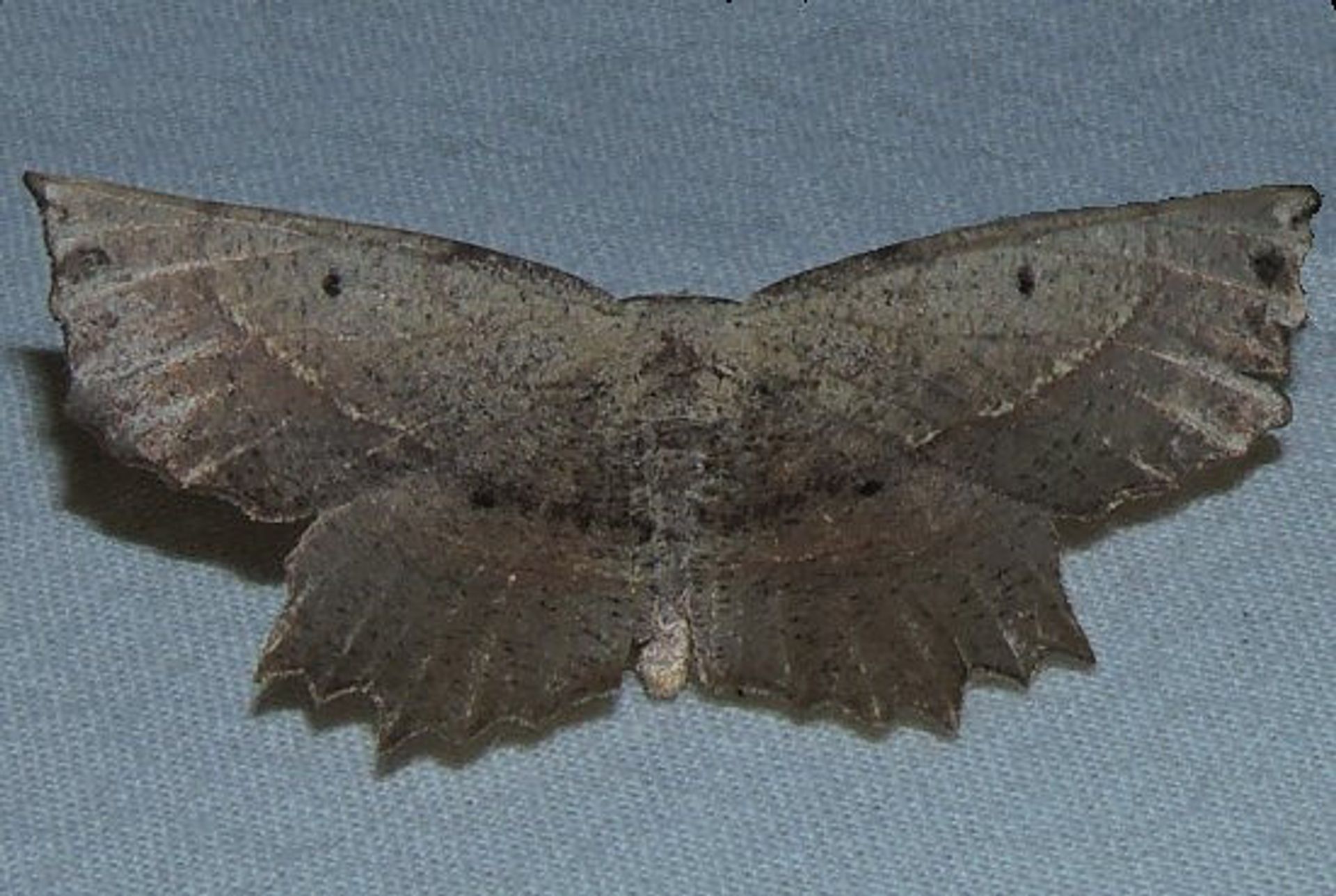
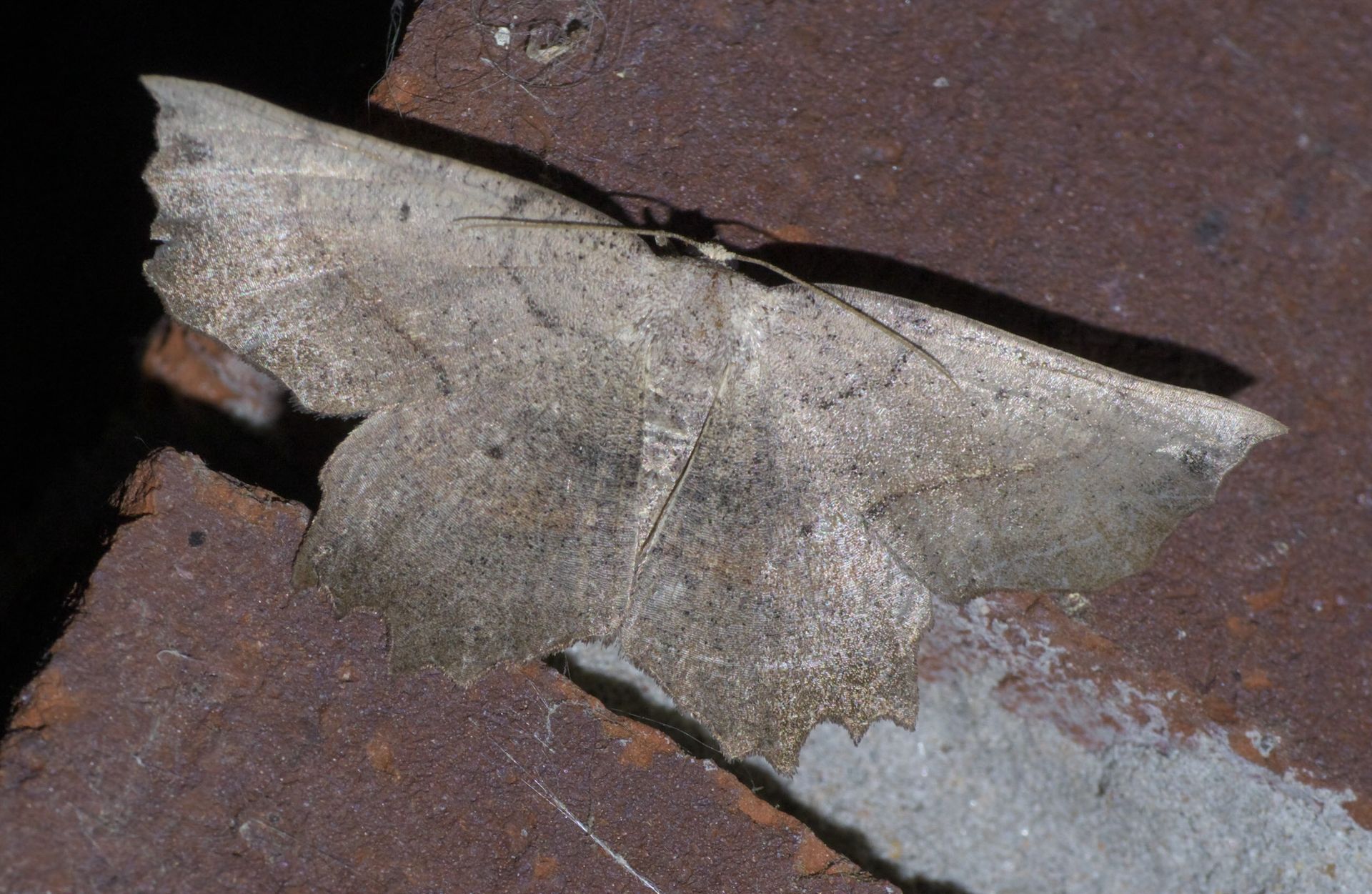
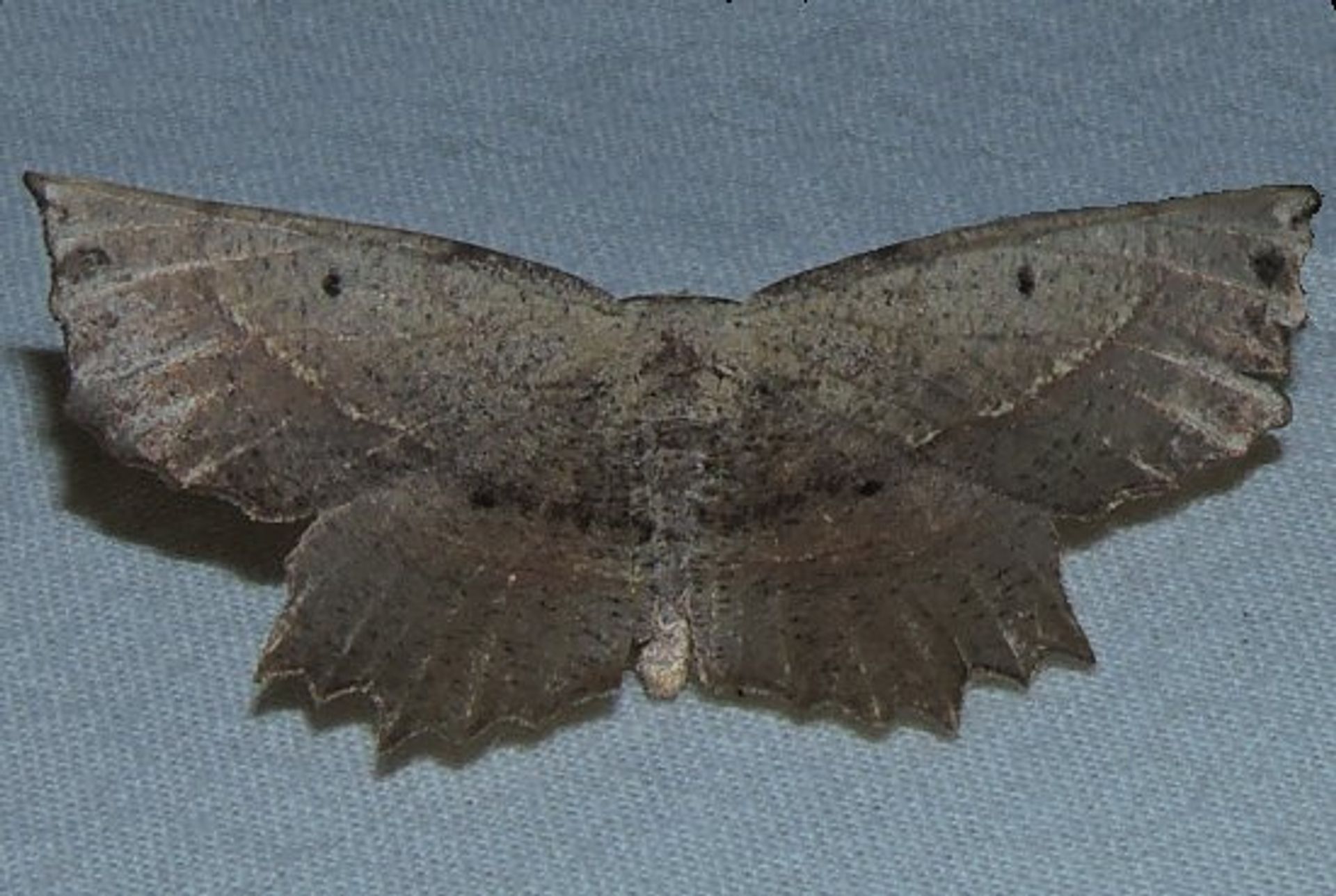
The obtuse wing apex distinguishes this from with more pointed forewings. The specific epithet obtusaria refers to this blunt wing tip. Within the Euchlaena, identification to species level requires examination of wing shape and pattern details; E. obtusaria is one of several similar species in this challenging genus.
Images
Appearance
Wingspan 27–48 mm. have broad, somewhat triangular forewings with obtuse (blunt) apices, consistent with the epithet. Coloration and pattern details are not explicitly documented in available sources.
Habitat
Mixed wood forests. The occupies forested environments with a combination of deciduous and coniferous tree species.
Distribution
North America: recorded from Alberta east to Nova Scotia, south to Florida and Texas. Additional records from Manitoba and Saskatchewan.
Seasonality
are on wing from April to September, with peak activity spanning spring through late summer.
Diet
Larvae feed on Rosa (roses) and Impatiens (touch-me-nots) .
Host Associations
- Rosa - larval food plant level
- Impatiens - larval food plant level
Life Cycle
Complete with , larva, pupa, and stages. Larvae are present during growing season when plants are available. Adults emerge in spring and persist through summer.
Behavior
are and attracted to light. Activity pattern spans multiple months, suggesting either a prolonged period or multiple .
Ecological Role
Larval herbivore on understory plants in mixed wood forests. may serve as prey for .
Similar Taxa
- Euchlaena serrataSimilar size and ; distinguished by serrated rather than obtuse wing apex
- Other Euchlaena species contains multiple cryptic with subtle wing shape and pattern differences requiring careful examination
More Details
Taxonomic note
The Euchlaena is taxonomically challenging with several similar . E. obtusaria is distinguished primarily by the blunt (obtuse) forewing apex, but confirmation may require reference to original description or expert determination.
Observation frequency
The has over 1,200 observations on iNaturalist, indicating it is relatively well-documented by citizen scientists across its range.