
Carolana golmeia
Hodges, 1974
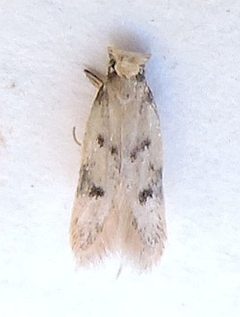
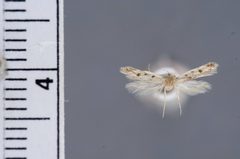
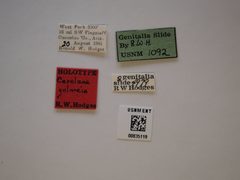
Carolana golmeia is a of concealer in the Oecophoridae, described by Hodges in 1974. It belongs to a of small moths within the diverse superfamily Gelechioidea. The species is documented from a limited number of observations, suggesting it may be uncommon or underreported. As with many Oecophoridae, detailed natural history information remains sparse.
Pronunciation
How to pronounce Carolana golmeia: /ˌka.roˈlaː.na ˈɡol.me.i.a/
These audio files are automatically generated. While they are not always 100% accurate, they are a good starting point.
Identification
Carolana are small with relatively narrow wings and often subdued coloration. C. golmeia can be distinguished from by genitalic characters and subtle wing pattern differences, though specific diagnostic features require examination. The Carolana is distinguished from related oecophorine genera by structural features of the male genitalia and wing venation patterns.
Images
Distribution
Documented from the United States based on specimen records. Specific state or regional distribution details are not well established in published literature.
Similar Taxa
- Other Carolana species share similar size and general oecophorine , requiring genitalic dissection or detailed wing pattern analysis for reliable separation.
- Oecophorinae in related generaMany small oecophorine exhibit convergent wing patterns and body forms, necessitating examination of genitalic structures and wing venation for accurate identification.
More Details
Taxonomic note
The Carolana was established by Hodges and contains a small number of North American . The etymology of the specific epithet 'golmeia' is not documented in readily available sources.
Data limitations
The is represented by only 15 observations in iNaturalist as of the source data, indicating limited citizen science documentation and potentially restricted range or cryptic habits.