Friseria
Busck, 1939
mesquite web worm (for F. cockerelli)
Species Guides
4- Friseria acaciella
- Friseria caieta
- Friseria cockerelli(mesquite webworm moth)
- Friseria nona
Friseria is a of small in the Gelechiidae, established by Busck in 1939. The genus contains at least nine described distributed in North America. One species, Friseria cockerelli, is known as the mesquite web worm and has been studied for its larval habit of constructing silken webs on plants. Most species remain poorly documented beyond taxonomic descriptions.
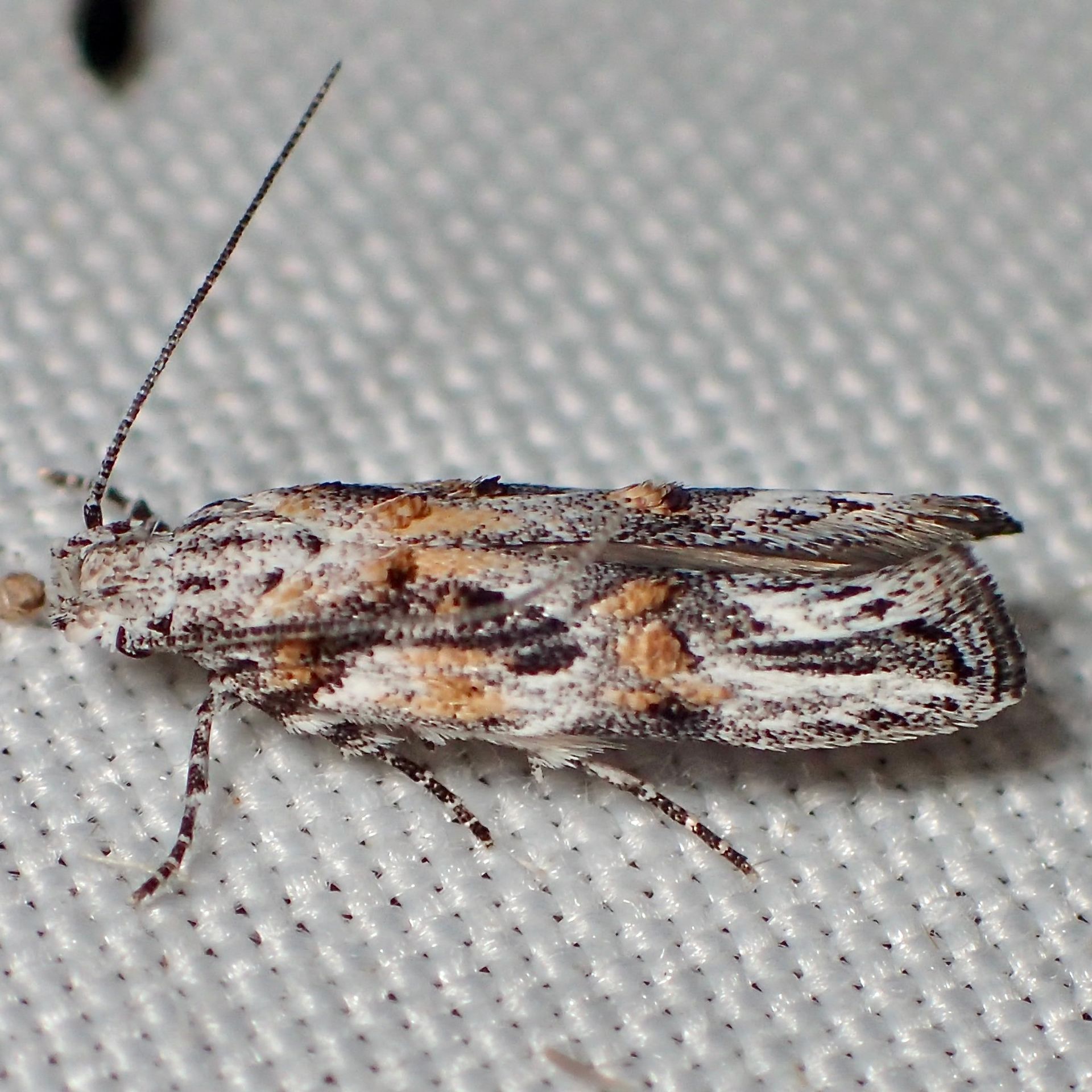
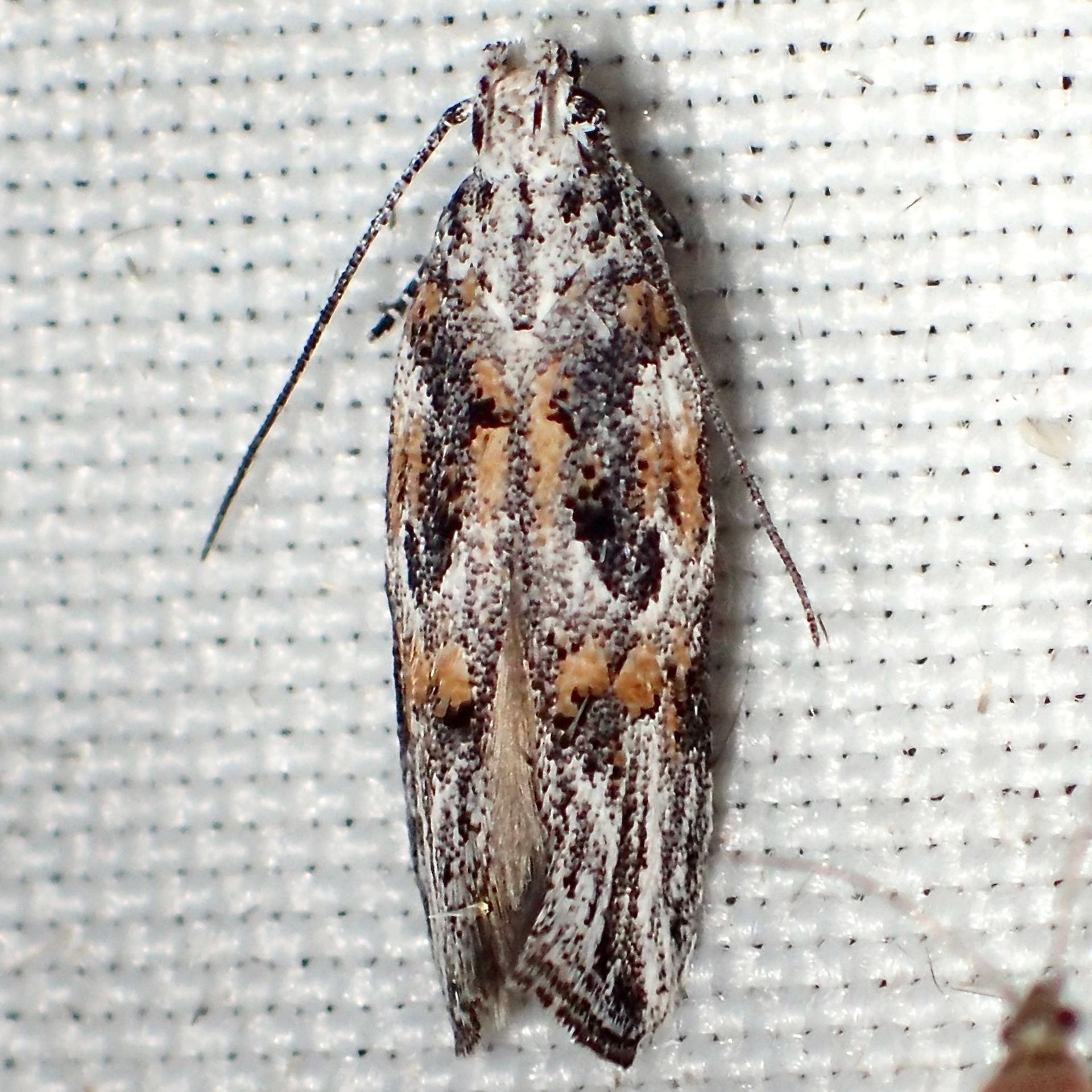
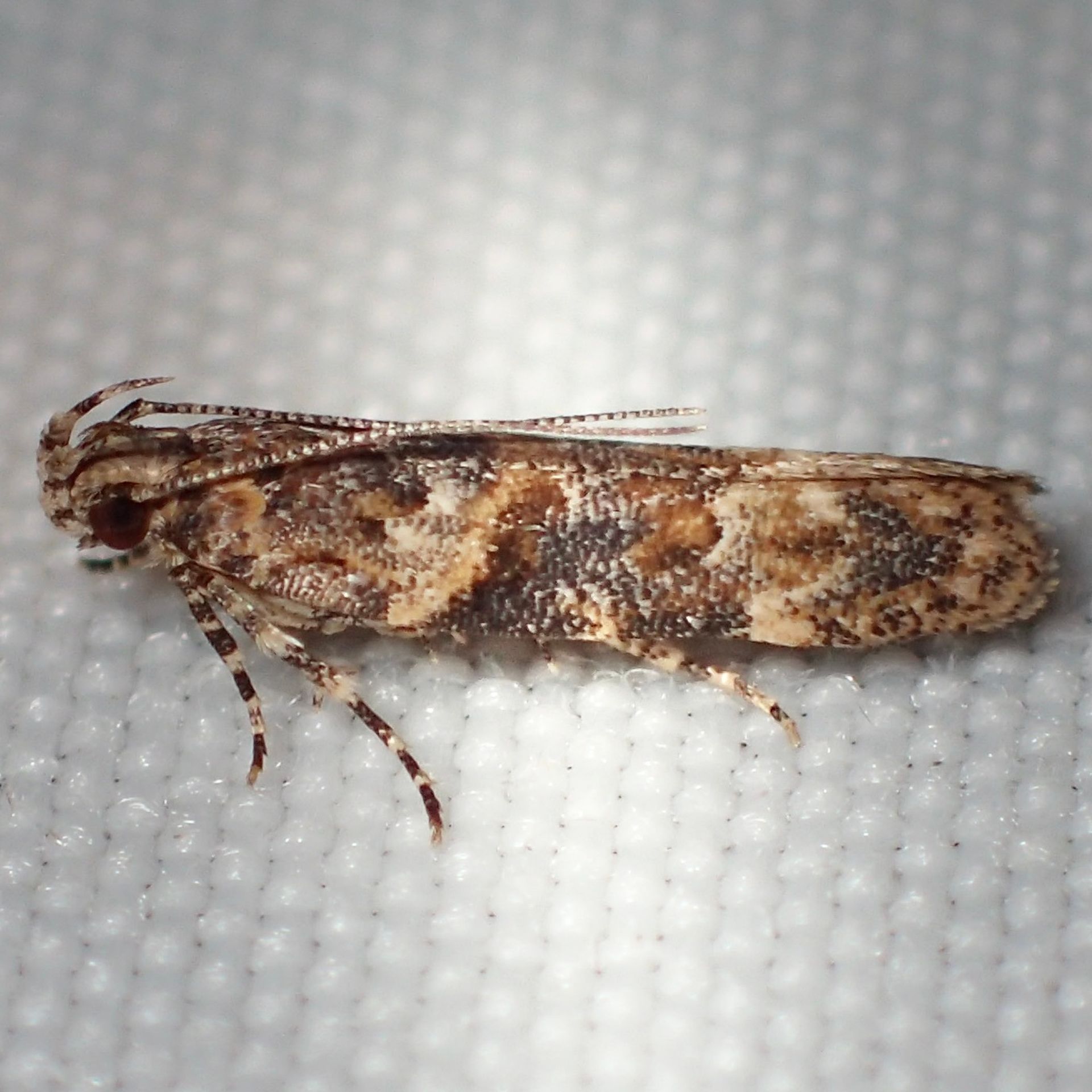
Pronunciation
How to pronounce Friseria: //ˈfri.sɛ.ri.a//
These audio files are automatically generated. While they are not always 100% accurate, they are a good starting point.
Images
Habitat
For Friseria cockerelli: mesquite-dominated areas in central Texas, associated with plant Prosopis glandulosa. preferences for other in the are not documented.
Distribution
North America; Friseria cockerelli specifically documented from central Texas where its plant occurs. Exact ranges for other are not well established in available sources.
Diet
Friseria cockerelli: larvae feed on mesquite (Prosopis glandulosa). Diet of other Friseria is unknown.
Host Associations
- Prosopis glandulosa - larval plantconfirmed for F. cockerelli only
Behavior
Friseria cockerelli larvae construct silken webs on plants. of other is undocumented.
Human Relevance
Friseria cockerelli has minor relevance as a mesquite-feeding insect in rangeland ; potential impact on mesquite has been studied in Texas.
Similar Taxa
- Other Gelechiidae generaFriseria are small gelechiid moths that require genitalia examination or molecular analysis for definitive identification; external overlaps with numerous related .
More Details
Taxonomic note
The contains nine described : F. acaciella, F. caieta, F. cockerelli, F. flammulella, F. infracta, F. lacticaput, F. nona, F. paphlactis, and F. repentina. Most were described between 1897 and 1966.
Data limitations
Substantial biological information is available only for F. cockerelli. Other lack published studies on , associations, or .