
Faculta
Busck, 1939
Palo Verde Webworm (F. inaequalis)
Species Guides
3- Faculta inaequalis(Palo Verde webworm)
- Faculta synthetica
- Faculta triangulella
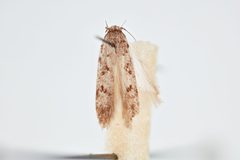
Faculta is a of small in the Gelechiidae, established by Busck in 1939. The genus contains three described : F. inaequalis, F. synthetica, and F. triangulella. F. inaequalis, commonly known as the Palo Verde Webworm, is the best-known species due to its conspicuous larval of spinning silken tubes on trees. The genus is restricted to arid regions of the southwestern United States and adjacent Mexico.

Pronunciation
How to pronounce Faculta: //fəˈkʊltə//
These audio files are automatically generated. While they are not always 100% accurate, they are a good starting point.
Identification
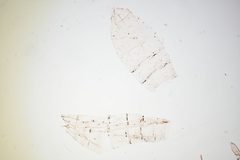
are small, nondescript gelechiid moths best identified by association with plants and larval signs. F. inaequalis is distinguished by the presence of silken tubes on Palo Verde trees. The can be separated from similar Gelechiidae by genitalic characters and association with specific host plants in the Sonoran Desert region.
Images
Habitat
Arid and semi-arid regions of the southwestern United States and northwestern Mexico. F. inaequalis is associated with upland areas of the Sonoran Desert in coarse soils where trees occur.
Distribution
Southern California, Arizona, southern New Mexico, and Baja California Sur. Records are concentrated in the Sonoran Desert and adjacent regions.
Seasonality
of F. inaequalis have been collected from January to April and in August, suggesting multiple per year.
Diet
Larvae of F. inaequalis feed on Foothills Palo Verde (Parkinsonia microphylla) and occasionally on Whitethorn Acacia (Acacia constricta). Larvae nibble leaves and bark during cooler hours.
Host Associations
- Parkinsonia microphylla - primary Foothills Palo Verde, preferred of F. inaequalis
- Acacia constricta - occasional Whitethorn Acacia, alternate for F. inaequalis
Life Cycle
Multiple per year inferred from collection records spanning January–April and August. Larvae construct silken tubes on twigs for shelter. occurs within or near these tubes.
Behavior
Larvae of F. inaequalis are feeders, emerging from silken tubes during cooler hours to feed. The silken tubes are connected by a network of silk threads forming visible webbing. are nocturnal and attracted to artificial lights.
Ecological Role
Larvae function as primary consumers on their trees. Damage to host plants is generally negligible; the is not considered a significant pest despite occasional localized abundance.
Human Relevance
F. inaequalis is occasionally a nuisance in urban areas where Palo Verde trees are planted as ornamentals. Larvae may drop from trees and cause minor skin irritation. The is not an agricultural pest.
Similar Taxa
- Gelechiidae (other genera)Many small gelechiid moths resemble Faculta ; identification requires examination of genitalia or association with specific plants and larval signs.
- BryotrophaF. inaequalis was previously placed in Bryotropha; these are distinguished by morphological and molecular characters.
More Details
Taxonomic history
F. inaequalis has been known under multiple names including Gelechia inaequalis, G. clistrodoma, and Bryotropha inaequalis, contributing to confusion in the literature.
Sources and further reading
- BugGuide
- Wikipedia
- GBIF taxonomy match
- iNaturalist taxon
- NCBI Taxonomy
- Catalogue of Life
- Where Are All the Butterflies? | Bug Squad
- Bug Eric: Moth Monday: Palo Verde Webworm
- How an Evolutionary Biologist Found Her Place in Entomology
- Held Without R-ant-som: The Kidnapper Ant That Steals Workers From 20 Other Species
- Bug Eric: Raid of the Slave-makers
- Did One Praying Mantis Give Rise to an All-Female Species?