
Chionodes tessa
Clarke, 1947
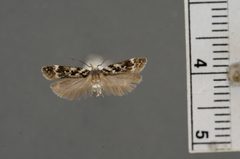
Chionodes tessa is a of in the Gelechiidae, described by Clarke in 1947. It is known from western North America, with records from Washington, Idaho, Oregon, California, and Arizona. As a member of the large Chionodes, it belongs to a group of small moths whose larvae typically feed on plant material, though specific associations for this species remain undocumented.

Pronunciation
How to pronounce Chionodes tessa: //kaɪˈoʊnoʊdiːz ˈtɛsə//
These audio files are automatically generated. While they are not always 100% accurate, they are a good starting point.
Identification
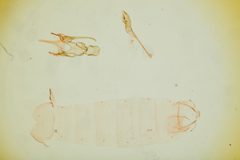
Chionodes are small gelechiid moths with narrow, forewings and relatively simple wing patterns. Positive identification of C. tessa requires examination of genitalia characters and comparison with described specimens; the species is distinguished from other Chionodes by specific morphological features established in Clarke's original description. External wing pattern alone is insufficient for reliable identification within this .
Images
Habitat
Based on collection records, the occurs in diverse across the western United States, ranging from the Pacific Northwest through California to Arizona. Specific microhabitat preferences are unknown.
Distribution
Western North America: recorded from Washington, Idaho, Oregon, California, and Arizona.
Similar Taxa
- Other Chionodes speciesNumerous congeneric occur in western North America; accurate identification requires dissection and reference to original descriptions and revisionary works.
More Details
Taxonomic history
Described by John Frederick Gates Clarke in 1947. The specific epithet 'tessa' is of uncertain etymology; it may honor an individual or be arbitrary. Clarke described numerous Chionodes from western North America in the mid-20th century.
Collection records
The is represented by few documented specimens. GBIF records indicate US distribution only, with precise locality data available from museum collections.
Sources and further reading
- BugGuide
- Wikipedia
- GBIF taxonomy match
- iNaturalist taxon
- NCBI Taxonomy
- Catalogue of Life
- Mentoring Undergraduates: How to Be a Guide for Genuine Research Experiences
- Naming a Bug After a Droid: The Case of Kaytuesso flavolateralis
- The Bugs and the Bees: A Guide to Entomology Outreach, Even During a Pandemic
- Nineteen Speedy New Praying Mantis Species Discovered from Central and South America
- Nineteen new speedy praying mantis species discovered that hide and play dead to avoid capture | Blog
- A Case for Preservation: Maintaining Insect Collections in Developing Countries