
Hypatima
Hübner, [1825]
Species Guides
3Hypatima is a of small in the Gelechiidae, commonly known as twirler moths. Established by Jacob Hübner around 1825, it serves as the type genus for the tribe Chelariini. The genus contains numerous distributed primarily in the Southern Hemisphere, though at least one species occurs in Europe. Taxonomic boundaries remain somewhat unclear, with some species groups potentially warranting reassignment to related genera.
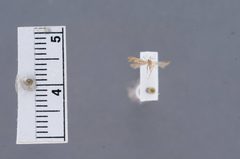

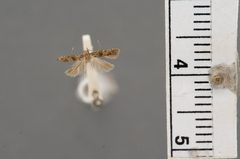
Pronunciation
How to pronounce Hypatima: //hɪˈpætɪmə//
These audio files are automatically generated. While they are not always 100% accurate, they are a good starting point.
Identification
-level identification within Hypatima requires examination of genitalia and detailed wing pattern analysis. The can be distinguished from superficially similar Chelophoba by subtle differences in wing venation and male genital structure, though some Hypatima species groups closely resemble C. melaina. External alone is generally insufficient for reliable identification to species.
Images
Distribution
Primarily distributed in the Southern Hemisphere. Records confirmed from Denmark, Norway, and Sweden in Europe. The European H. rhomboidella represents the only native European member of the .
Human Relevance
H. rhomboidella, known as the lobster-clawed , is the most frequently encountered in Europe and has attracted attention due to its distinctive . No significant economic or agricultural impacts have been documented for this .
Similar Taxa
- ChelophobaSome Hypatima groups closely resemble C. melaina in external , leading to historical confusion and suggestions that these groups might be better assigned to Chelophoba.
- ChelariaTreated as a junior synonym of Hypatima; previously considered distinct based on the mistaken assumption that its type was a separate rather than an unjustified name change of Hypatima conscriptella.
More Details
Taxonomic Complexity
The has a convoluted taxonomic history with over ten junior synonyms or invalid names. Its tribal and placement remains debated, with Chelariini variously assigned to Dichomeridinae, Gelechiinae, Pexicopiinae, or historically treated as its own subfamily Chelariinae. A thorough generic revision is needed to clarify limits.