
Hypatima sp-one
Hypatima sp-one is an undescribed species of gelechiid in the Hypatima. in this genus are small moths with distinctive wing patterns and are part of the diverse microlepidoptera fauna. The specific designation 'sp-one' indicates this is a provisional name used for an unidentified or newly recognized species awaiting formal description. As with most Hypatima species, it likely exhibits the characteristic narrow wings and banded or spotted forewing patterns typical of the genus.
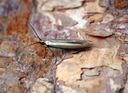
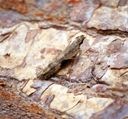
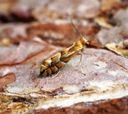
Identification
Distinguished from other gelechiid by the combination of narrow forewings with distinct spotted or banded pattern, presence of a costal spot on the forewing, and the overall 'pistol' or triangular spot configuration. Separated from other Hypatima by specific details of wing pattern, spot placement, and size, though precise diagnostic features for sp-one require examination of type material or original description. Genitalia dissection is typically required for definitive species-level identification in this genus.
Images
Appearance
Small with narrow, forewings. Forewings typically display a pattern of dark and light bands or spots, often with a distinct costal spot and sometimes a spot creating a 'pistol-shaped' or triangular marking when viewed together. Hindwings are narrower than forewings, pale grayish, with long fringes. Body slender, with tufted or scaled . , about two-thirds the length of forewing.
Similar Taxa
- Other Hypatima speciesShare the same general wing shape, size, and pattern elements (costal spot, spot); require careful examination of spot configuration, size ratios, and genitalia for separation.
- Gelechiidae in subfamily AnacampsinaeSimilar small size and narrow wings; distinguished by specific pattern elements and structural features of Hypatima, including characteristic scaling and wing venation.
More Details
Taxonomic status
The designation 'sp-one' is a provisional or placeholder name, indicating this entity has been recognized as distinct but not yet formally described and named under the International Code of Zoological . Such names are commonly used in museum collections, ecological surveys, and phylogenetic studies to track distinct operational taxonomic units.