
Peleopodinae
Hodges, 1974
Genus Guides
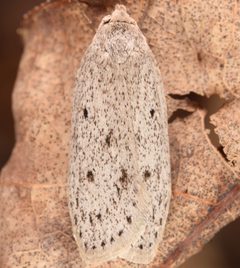
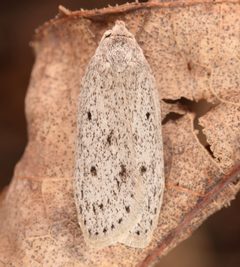
2Peleopodinae is a of small within the Depressariidae. It was established by Hodges in 1974 and includes five recognized : Antoloea, Carcina, Durrantia, Peleopoda, and Pseuderotis. The subfamily has accumulated over 4,900 observations on iNaturalist, indicating moderate documentation of its in the field. Taxonomic placement has varied, with some sources historically treating it as a distinct family (Peleopodidae) rather than a subfamily of Depressariidae.
Pronunciation
How to pronounce Peleopodinae: //ˌpiːli.oʊˈpɒdɪniː//
These audio files are automatically generated. While they are not always 100% accurate, they are a good starting point.
Images
Misconceptions
Some sources, including iNaturalist, list Peleopodinae under the Peleopodidae rather than Depressariidae. This reflects historical or alternative taxonomic treatments. Current authoritative sources (NCBI , Catalogue of Life) place Peleopodinae as a within Depressariidae.
More Details
Taxonomic history
Peleopodinae has been treated at rank (Peleopodidae) in some classifications. The Catalogue of Life and NCBI currently recognize it as a of Depressariidae, while iNaturalist maintains it under Peleopodidae. This discrepancy reflects ongoing debate about relationships within the Gelechioidea superfamily.
Included genera
The contains five : Antoloea (Meyrick, 1914), Carcina (Hübner, [1825]), Durrantia (Busck, 1908), Peleopoda (Zeller, 1877), and Pseuderotis (Clarke, 1956).