Semioscopis inornata
Walsingham, 1882
dull flatbody moth, Poplar Micromoth
A small in the Depressariidae, described by Walsingham in 1882. are active in spring, with a single per year. Larvae are leaf-rollers that feed on poplar and willow .
Pronunciation
How to pronounce Semioscopis inornata: //ˌsɛmiˈɒskəpɪs ɪˌnɔːrˈneɪtə//
These audio files are automatically generated. While they are not always 100% accurate, they are a good starting point.
Identification
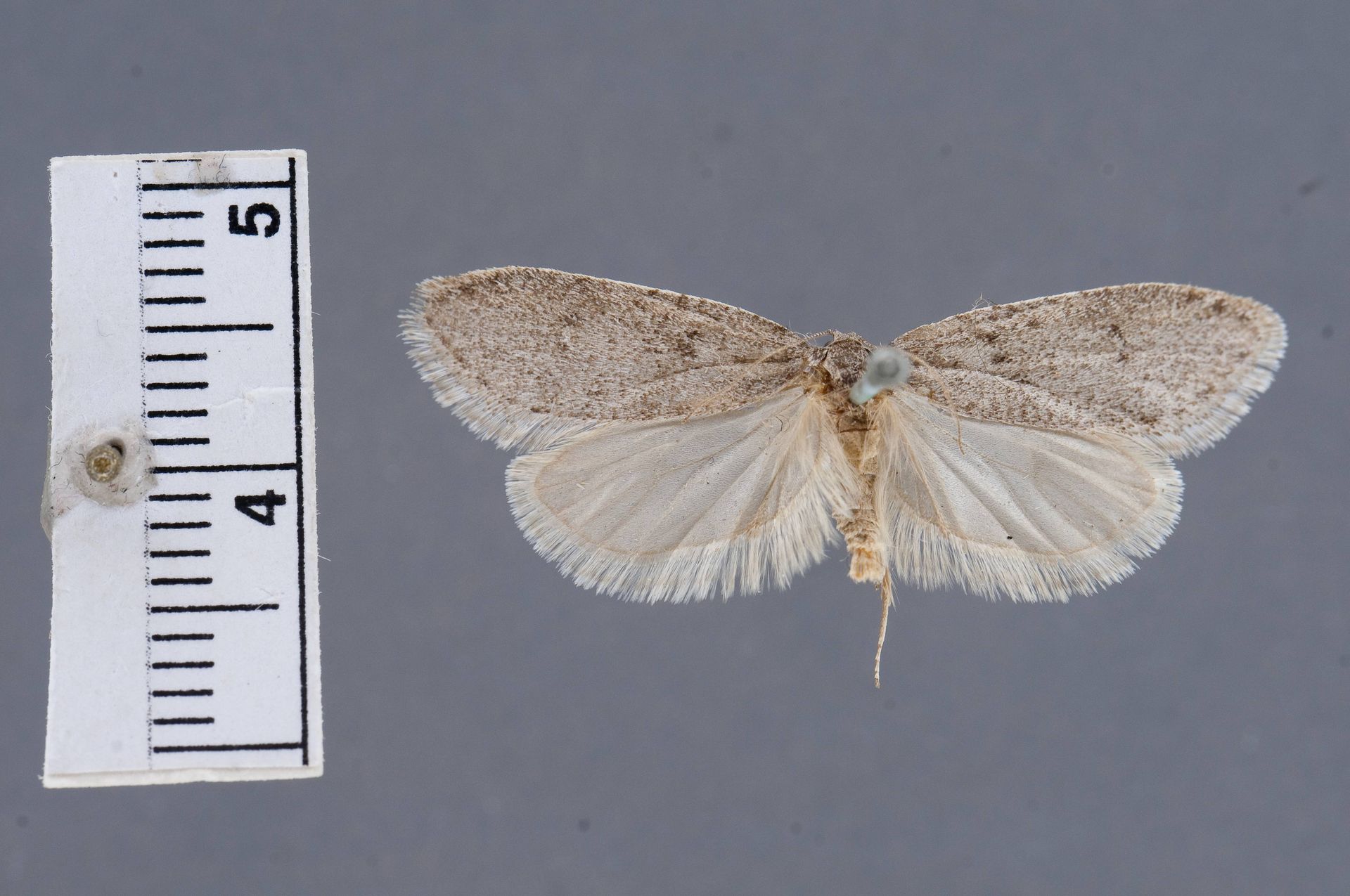
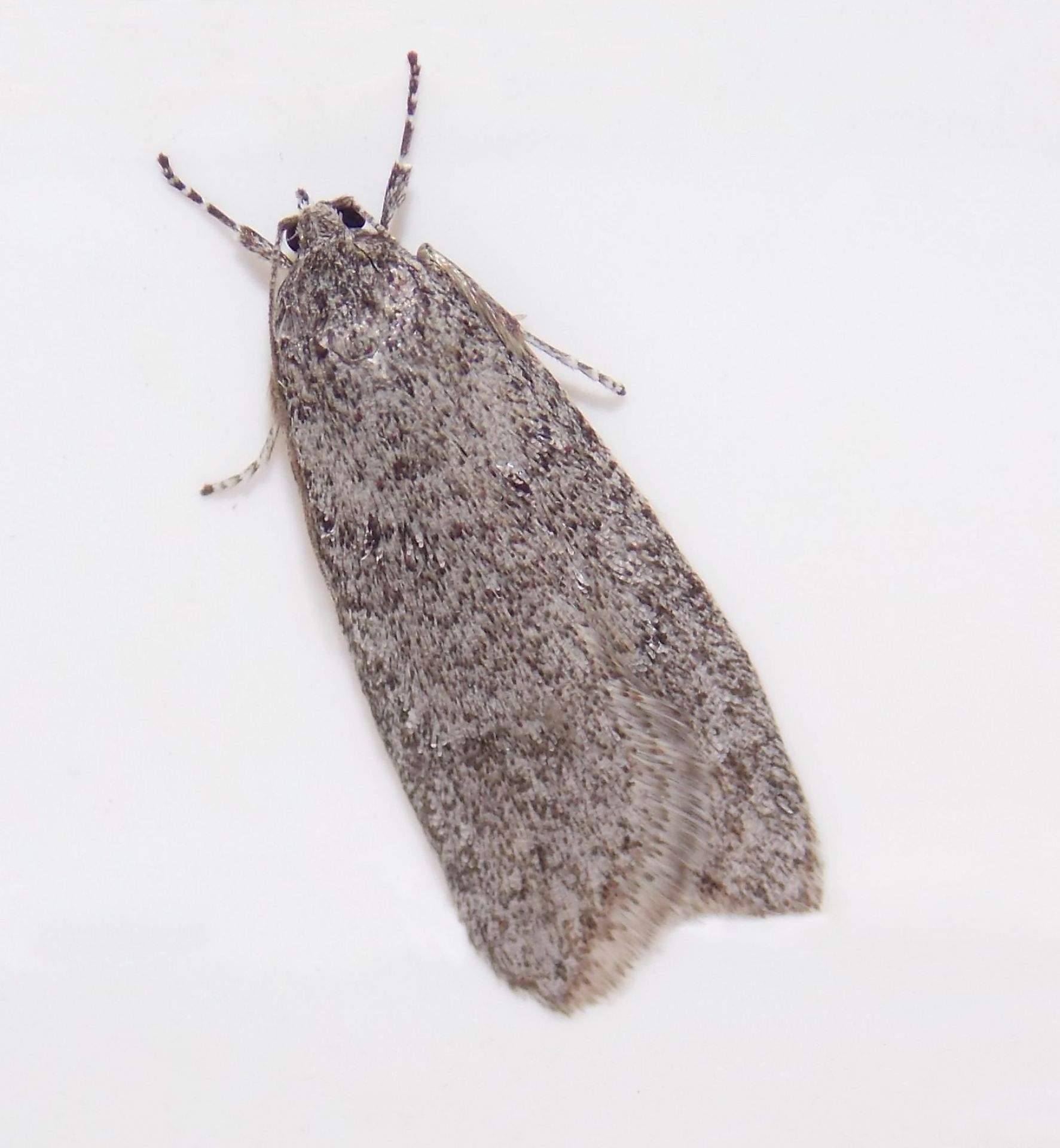
Distinguished from other Semioscopis by its plain, unmarked bluish-gray forewings lacking prominent pattern elements. The specific epithet 'inornata' (meaning unadorned) reflects this diagnostic lack of ornamentation.
Images
Appearance
Forewings 10.5–15 mm in length, bluish-gray in coloration. The 'dull flatbody' refers to the relatively unmarked, subdued wing pattern compared to related .
Habitat
Associated with stands of trees including aspen, poplar, and willow. Found in forested and riparian where these host plants occur.
Distribution
Throughout Canada (Alberta, Manitoba, Saskatchewan, and other provinces) and the northern United States.
Seasonality
on wing from early April to late May; with one per year.
Diet
Larvae feed on leaves of Populus tremuloides (quaking aspen), Populus grandidentata (bigtooth aspen), Populus balsamifera (balsam poplar), and Salix (willows).
Host Associations
- Populus tremuloides - larval food plantquaking aspen
- Populus grandidentata - larval food plantbigtooth aspen
- Populus balsamifera - larval food plantbalsam poplar
- Salix - larval food plantwillow
Life Cycle
Larvae roll leaves of plants, feeding within the shelter. occurs within the rolled leaf or in detritus on the ground. emerge in spring.
Behavior
Larvae construct leaf rolls on plants for shelter and feeding. are or , active during spring months.
Ecological Role
Leaf-rolling larvae may influence leaf abscission and nutrient cycling in tree stands. Serves as prey for .
Human Relevance
Minor economic significance; occasionally considered a pest of ornamental poplars and willows, though damage is typically limited.
Similar Taxa
- Other Semioscopis speciesS. inornata distinguished by plain bluish-gray forewings without contrasting markings present in related
More Details
Nomenclature
The specific epithet 'inornata' directly describes the ' plain appearance, contrasting with more patterned .