
Stilbosis
Clemens, 1860
Species Guides
4- Stilbosis ostryaeella(ironwood leafminer moth)
- Stilbosis quadricustatella
- Stilbosis tesquella(Hog-peanut Leaf-sewer)
- Stilbosis venifica
Stilbosis is a of small in the Cosmopterigidae, first described by Clemens in 1860. in this genus are leaf miners, with larvae feeding internally within leaf tissue. The genus has been documented in North America, with at least one species, Stilbosis quadricustatella, studied for -specific on oak species.
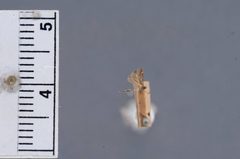
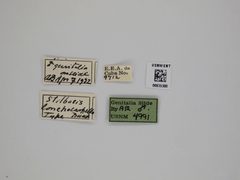
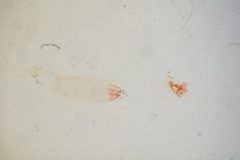
Pronunciation
How to pronounce Stilbosis: /stɪlˈboʊsɪs/
These audio files are automatically generated. While they are not always 100% accurate, they are a good starting point.
Identification
Members of Stilbosis are small typical of Cosmopterigidae, with narrow wings and reduced wing venation. Identification to requires examination of genitalia and wing pattern details; -level identification is challenging and typically requires dissection.
Images
Habitat
Associated with oak-dominated . Stilbosis quadricustatella occurs on sand live oak (Quercus geminata) in homogeneous stands at inland and coastal sites, and on water oak (Quercus nigra) in patchily distributed inland areas.
Distribution
North America; records include the United States (Vermont, and southern states where oak occur).
Diet
Larvae are leaf miners, feeding internally on oak leaves (Quercus geminata and Quercus nigra documented for S. quadricustatella).
Host Associations
- Quercus geminata - larval sand live oak; supports high- in homogeneous stands
- Quercus nigra - larval water oak; supports low- in patchy distribution
Life Cycle
Complete with , larval, pupal, and stages. Larvae pupate in soil; pupal occurs in moist or dry conditions depending on soil type of .
Behavior
Larvae mine within leaves, creating internal feeding galleries. Leaf mining period varies by : longer on Quercus geminata than on Quercus nigra, corresponding to foliar nitrogen differences. Coastal show significantly higher densities on oak patch edges compared to interiors.
Ecological Role
herbivore on oaks. Larvae serve as prey for and ; rates are higher on Quercus geminata while rates are higher on Quercus nigra.
Similar Taxa
- Other Cosmopterigidae generaMany small gelechioid moths share similar size and wing shape; Stilbosis distinguished by specific genitalia and association with oak leaf mining
More Details
Population dynamics
-specific variation in has been documented: high- occur on homogeneous sand live oak stands, while low-density populations occur on patchily distributed water oak. Within- density on sand live oak significantly affects larval , , and .