
Perimede erransella
Chambers, 1874
Gray Perimede Moth
Perimede erransella is a small in the Cosmopterigidae, described by Vactor Tousey Chambers in 1874. It occurs across eastern North America from Canada to the Gulf Coast. The has a wingspan of approximately 12 mm and is active year-round as an . Larvae are known to feed on a diverse range of woody plants including tulip tree, hickory, oak, bald cypress, and elm.
Pronunciation
How to pronounce Perimede erransella: /ˌpɛrɪˈmiːdi ˌɛrænˈsɛlə/
These audio files are automatically generated. While they are not always 100% accurate, they are a good starting point.
Identification
The small size (12 mm wingspan) and year-round activity distinguish this from many temperate with more restricted periods. Gray coloration and association with eastern North American broadleaf and mixed forests provide additional context. Definitive identification requires examination of genitalia or molecular analysis, as is typical for small cosmopterigid moths.
Images
Appearance
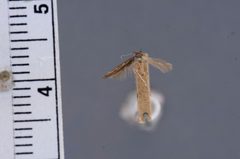
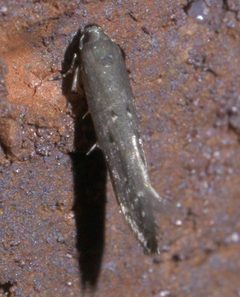
Small with wingspan approximately 12 mm. are grayish in overall coloration, consistent with the Gray Perimede Moth. Specific wing pattern details are not well documented in available sources.
Habitat
Associated with forests and woodlands containing tree . Larval hosts include both upland hardwood forests (oak, hickory, elm, tulip tree) and wetland forests (bald cypress), suggesting broad across the eastern deciduous forest biome.
Distribution
Eastern North America from Nova Scotia and southern Quebec south to Florida, west to Kentucky and Louisiana. Records also include Vermont.
Seasonality
have been recorded on wing throughout the year, indicating continuous or overlapping without a pronounced seasonal in adult stage.
Diet
Larvae feed internally or externally on foliage of: Liriodendron tulipifera (tulip tree), Carya tomentosa (mockernut hickory), Quercus velutina (black oak), Quercus coccinea (scarlet oak), Taxodium distichum (bald cypress), and Ulmus (elms). feeding habits are not documented.
Host Associations
- Liriodendron tulipifera - larval food planttulip tree
- Carya tomentosa - larval food plantmockernut hickory
- Quercus velutina - larval food plantblack oak
- Quercus coccinea - larval food plantscarlet oak
- Taxodium distichum - larval food plantbald cypress
- Ulmus - larval food plantelm
Life Cycle
Larval development occurs on trees. Specific details regarding site, number of per year, and stage are not documented in available sources.
Ecological Role
Larval herbivore on and subcanopy trees of eastern North American forests. Part of the diverse of Lepidoptera that process leaf material in deciduous and mixed forests.
Human Relevance
No significant documented impacts. Not known to be a pest . Occasionally encountered by naturalists and enthusiasts.
Similar Taxa
- Other Perimede speciesCosmopterigidae contains multiple small, grayish requiring genitalia examination for definitive identification. Similar size and general appearance.
- Ithome speciesTaxonomic synonymy indicates close relationship; Ithome erransella is the same under an alternative generic classification.
More Details
Taxonomic Status
Listed as a synonym of Ithome erransella in some sources (Catalogue of Life, GBIF), indicating ongoing taxonomic uncertainty or recent reclassification between Perimede and Ithome. NCBI and iNaturalist retain Perimede erransella as accepted name.
Observational Record
iNaturalist records indicate substantial citizen science documentation with 1515 observations, suggesting the is relatively frequently encountered where it occurs.