
Coleophora ledi
Stainton, 1860
Coleophora ledi is a small case-bearing ( Coleophoridae) with a wingspan of 10–13 mm. It has a trans-Holarctic distribution, occurring across northern Eurasia from Fennoscandia to Japan, and in North America in eastern Canada, Michigan, and Alaska. The is notable for its larval specialization on Ericaceae shrubs, particularly Ledum and Chamaedaphne species.
Pronunciation
How to pronounce Coleophora ledi: /koˈle.oˌfoː.ra/
These audio files are automatically generated. While they are not always 100% accurate, they are a good starting point.
Identification
Distinguished from other Coleophora primarily by larval plant association and genitalia . require dissection and examination of genital structures for definitive identification. The larval case and feeding damage on Ledum or Chamaedaphne may provide field indicators.
Images
Appearance
Small with wingspan 10–13 mm. are typically drab in coloration, consistent with many Coleophora . Larvae construct portable silk cases characteristic of the Coleophoridae, incorporating plant material from their plants.
Habitat
Associated with wetland and peatland where plants grow. In North America, found in and subarctic regions including Alaska, Michigan, and eastern Canada. In Eurasia, occurs across northern latitudes from Fennoscandia through Russia to Japan, and southward to montane regions of the Pyrenees and Alps.
Distribution
Fennoscandia and northern Russia south to the Pyrenees and Alps; east to Japan. North America: eastern Canada, Michigan, and Alaska.
Diet
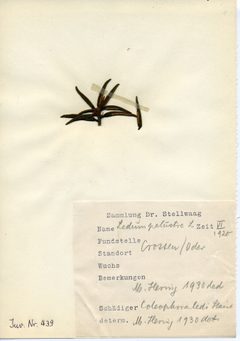
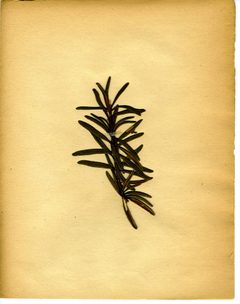
Larvae feed on Ledum palustre (wild rosemary), Ledum groenlandicum (Labrador tea), and Chamaedaphne calyculata (leatherleaf). feeding habits unknown.
Host Associations
- Ledum palustre - larval plantwild rosemary
- Ledum groenlandicum - larval plantLabrador tea
- Chamaedaphne calyculata - larval plantleatherleaf
Life Cycle
Larvae feed internally or externally on plant leaves, constructing portable silk cases. occurs within the larval case or in a silken cocoon attached to the host plant. are active in summer months; specific varies by latitude.
Behavior
Larvae carry their silk cases while feeding and moving between plant parts, a characteristic of Coleophoridae. Cases are enlarged as larvae grow.
Ecological Role
Herbivore specializing on Ericaceae shrubs in wetland . May serve as prey for and other natural enemies, though specific relationships are undocumented.
Similar Taxa
- Other Coleophora speciesMany Coleophora are morphologically similar and require genitalia examination for identification; plant association provides a distinguishing character for C. ledi
More Details
Taxonomic note
The specific epithet 'ledi' derives from the Ledum, reflecting the primary larval association. The genus Ledum has been synonymized with Rhododendron in some modern treatments, though the name Ledum remains in common use for these wetland shrubs.
Sources and further reading
- BugGuide
- Wikipedia
- GBIF taxonomy match
- iNaturalist taxon
- NCBI Taxonomy
- Catalogue of Life
- First moth species on Alpenrose discovered | Blog
- The Curious Case of the Spiders in the Ant-Acacia Mutualisms
- Winter Botany Quiz #6 – answers and a checklist | Beetles In The Bush
- Trees of Lake Tahoe – The Deciduous Trees | Beetles In The Bush