
Cossula magnifica
Strecker, 1876
pecan carpenterworm moth
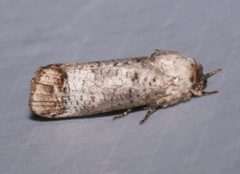
Cossula magnifica, commonly known as the pecan carpenterworm , is a of carpenter moth in the Cossidae. The species is found in the southeastern United States, where its larvae develop as borers in hardwood trees. are active in spring and early summer. The species is of some economic concern due to larval damage to pecan and other Carya species.
Pronunciation
How to pronounce Cossula magnifica: /kɔsˈsuːlə mæɡˈnɪfɪkə/
These audio files are automatically generated. While they are not always 100% accurate, they are a good starting point.
Identification
The can be distinguished from other southeastern Cossidae by a combination of geographic range, period (March to June), and association with Carya plants. Within the Cossula, specific identification typically requires examination of genitalia or detailed wing pattern analysis. The 'pecan carpenterworm ' reflects its primary host association, which can aid in field identification where pecan is present.
Images
Habitat
Associated with deciduous hardwood forests and orchards, particularly where Carya (hickories and pecans) occur. Larval is within the wood of living or recently dead trees.
Distribution
Southeastern United States: North Carolina south to Florida, west to Mississippi and Texas.
Seasonality
are on wing from March to June, with exact timing varying by location within the range.
Diet
Larvae feed internally on the wood of Carya , including Carya illinoinensis (pecan). Larvae have also been recorded from Diospyros (persimmons) and Quercus (oaks). do not feed.
Host Associations
- Carya illinoinensis - larval pecan, primary giving rise to
- Carya - larval hickories in general
- Diospyros - larval persimmons
- Quercus - larval oaks
Life Cycle
Complete with four stages: , larva, pupa, and . Larvae are wood-borers that tunnel through tree wood, likely requiring multiple years to complete development given the hard wood substrate and cossid patterns. occurs within the larval tunnel. Adults emerge in spring.
Behavior
are or . Larvae are concealed feeders within wood, making them difficult to detect until exit holes or indicate their presence.
Ecological Role
Larvae act as primary consumers of hardwood tissue, contributing to nutrient cycling and creating internal cavities in trees. In natural forests, this is a normal ecological process; in pecan orchards, it constitutes a pest interaction.
Human Relevance
The is a minor pest of pecan orchards, where larval tunneling can reduce tree vigor and nut production. Damage is generally localized and rarely causes tree mortality. The species is not considered a major economic pest compared to other pecan insects.
Similar Taxa
- Other Cossula speciesSame , requiring genitalia or detailed wing pattern examination for separation
- Other Cossidae in the southeastern USSimilar and wood-boring larval habit; plant association and geographic range help distinguish C. magnifica
More Details
Taxonomic history
Described by Strecker in 1876. The has remained in the Cossula without significant taxonomic revision.
Collection records
iNaturalist records (626 observations as of source date) confirm the documented range and suggest the is regularly encountered by observers in the southeastern United States during the period.
Sources and further reading
- BugGuide
- Wikipedia
- GBIF taxonomy match
- iNaturalist taxon
- NCBI Taxonomy
- Catalogue of Life
- My Canon 8X Macro Lens | Beetles In The Bush
- Life at 8X—soybean aphid | Beetles In The Bush
- techniques | Beetles In The Bush | Page 10
- Use of extension tubes for better lighting | Beetles In The Bush
- ID Challenge #9 | Beetles In The Bush
- Photographing Insects in the Field: Basic Tips for Success