
Callionima parce
Fabricius, 1775
Parce sphinx moth
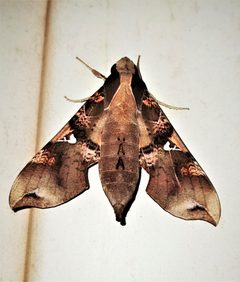
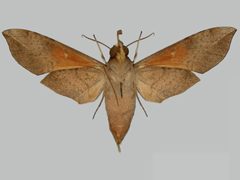
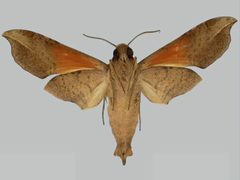
Callionima parce is a sphinx moth (Sphingidae) with a broad Neotropical distribution extending from South America through Central America into the southern United States. The exhibits year-round activity in tropical regions and seasonal activity from April to September in the United States. Larvae feed on Apocynaceae, specifically documented on Stemmadenia obovata.
Pronunciation
How to pronounce Callionima parce: /kælɪˈɒnɪmə ˈpɑrseɪ/
These audio files are automatically generated. While they are not always 100% accurate, they are a good starting point.
Identification
Wingspan 67–80 mm distinguishes it from smaller sphinx moth . The broad geographic range from South America through Central America to the southern United States may aid in narrowing identification possibilities for specimens from this region.
Images
Distribution
Argentina, Venezuela, Suriname, French Guiana, Bolivia, Brazil, Peru, Belize, Guatemala, Nicaragua, Rica, Panama, Mexico, and the southern United States (Florida, Texas, Arizona, California).
Seasonality
Year-round in Rica; April to September in Florida, Texas, Arizona, and southern California.
Diet
Larvae feed on Stemmadenia obovata and probably other Apocynaceae .
Host Associations
- Stemmadenia obovata - larval food plantdocumented
- Apocynaceae - probable larval food plantsinferred from plant
More Details
Taxonomic history
Originally described as Sphinx parce by Johan Christian Fabricius in 1775.