
Hemileucini
Genus Guides
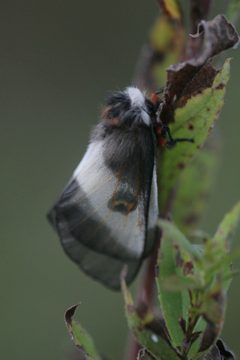
4Hemileucini is a tribe of giant silkworm moths within the Saturniidae. Members are characterized by reduced mouthparts in , meaning they do not feed and survive solely on energy reserves accumulated as larvae. The tribe includes numerous with striking wing patterns, often featuring prominent eyespots. Many Hemileucini species have urticating larvae that can cause skin irritation upon contact.
Pronunciation
How to pronounce Hemileucini: /ˌhɛmɪˈluːsɪnaɪ/
These audio files are automatically generated. While they are not always 100% accurate, they are a good starting point.
Identification
Distinguished from other Saturniidae tribes by the combination of reduced mouthparts and larval urticating setae. The Hemileucinae (containing Hemileucini) differs from Saturniinae by larval and pupal cocoon structure. Within Hemileucini, are distinguished by wing venation, genitalia structure, and larval ornamentation. -level identification requires examination of genitalia and geographic distribution.
Images
Habitat
Diverse including deciduous and coniferous forests, scrublands, and riparian zones. Many associated with specific plant . Elevation ranges from sea level to montane regions depending on species.
Distribution
Primarily New World distribution, ranging from southern Canada through the United States, Mexico, Central America, and South America to Argentina. Greatest diversity in tropical and subtropical regions of the Americas.
Seasonality
periods vary by and latitude. Temperate species typically active in late spring to summer. Tropical species may exhibit multiple or continuous activity. usually occurs as pupae.
Life Cycle
Complete with four stages: , larva, pupa, . Eggs laid on plant foliage. Larvae feed on leaves of specific host plants, often woody angiosperms or conifers. in silken cocoon. Adults emerge, mate, and die without feeding. Voltinism varies from to multivoltine depending on and climate.
Behavior
are primarily and attracted to light. Males locate females via . Larvae are solitary feeders. Defensive includes thrashing and dropping from plants when disturbed.
Ecological Role
Larvae function as herbivores, consuming foliage of trees and shrubs. serve as prey for bats, birds, and other . Urticating larvae may deter some predators. Pupae are subject to by Hymenoptera and Diptera.
Human Relevance
Larvae of some cause dermatitis upon contact, posing minor medical concern. are collected for scientific study and by hobbyists. Some species are reared commercially for educational purposes. destruction affects of rare species.
Similar Taxa
- SaturniiniAnother tribe in Saturniidae; also lack functional mouthparts but larvae typically lack urticating setae and possess different body ornamentation.
- CitheroniiniTribe within Saturniidae with reduced mouthparts; distinguished by larval and geographic distribution primarily in Old World.
More Details
Taxonomic note
Hemileucini is the primary tribe within Hemileucinae. The classification of Saturniidae tribes has undergone revision, with some authorities recognizing additional or fewer tribes. The -level composition of Hemileucini includes well-known groups such as Automeris, Hemileuca, and Leucanella.
Defensive chemistry
Urticating setae contain histamine and other compounds that cause skin irritation in vertebrates, including humans. This defense is most developed in larvae.