
Mesepiola
Davis, 1967
Species Guides
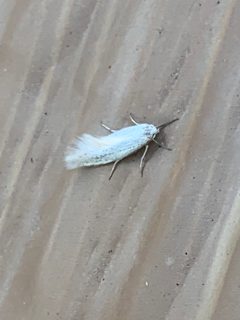
1Mesepiola is a of small in the Prodoxidae, first described by Davis in 1967. The genus includes at least one described , Mesepiola specca, which occurs in arid regions of the southwestern United States. These moths are associated with monocot plants in the genera Nolina and Dasylirion.
Pronunciation
How to pronounce Mesepiola: /ˌmɛsɛˈpiːɒla/
These audio files are automatically generated. While they are not always 100% accurate, they are a good starting point.
Identification
The can be distinguished from other Prodoxidae by genitalic and association with Nolinaceae plants. Mesepiola specca is the only described ; identification to species level requires examination of genitalia.
Images
Appearance
Small with a wingspan of 8–12 mm. Specific morphological features of the are not well documented in available sources.
Habitat
Desert and chaparral in the southwestern United States.
Distribution
Southern California, Arizona, and New Mexico.
Diet
feed on flower nectar of the larval plants. Larvae feed on of Nolina and Dasylirion ( Asparagaceae, Nolinaceae).
Host Associations
- Nolina - larval food plantlarvae feed on in this
- Dasylirion - larval food plantlarvae feed on in this
Ecological Role
of plants; larvae are specialized herbivores on Nolina and Dasylirion.
Similar Taxa
- ProdoxusAlso in Prodoxidae, but associated with Yucca rather than Nolina/Dasylirion; differs in plant specificity and genitalic .
- TegeticulaYucca moths in the same ; distinguished by obligate mutualism with Yucca and different plant associations.
More Details
Taxonomic history
The was established by Davis in 1967 to accommodate previously associated with other prodoxid genera but distinct in genitalic structure and plant use.