
Adela astrella
Walsingham, 1915
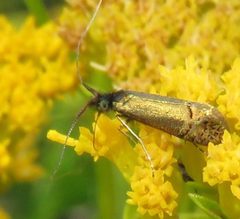
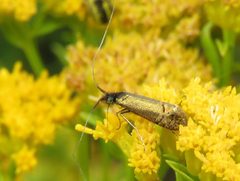
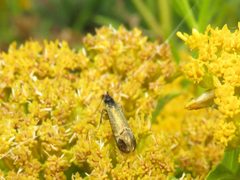
Adela astrella is a of fairy in the Adelidae, described by Walsingham in 1915. As with other members of the Adela, this species is characterized by the extremely long of males. The family Adelidae comprises small, delicate moths commonly known as fairy moths or long-horn moths. Available information on this specific species is limited, with 28 observations recorded on iNaturalist.
Pronunciation
How to pronounce Adela astrella: /əˈdiːlə æˈstrɛlə/
These audio files are automatically generated. While they are not always 100% accurate, they are a good starting point.
Identification
Members of the Adela can be distinguished from other microlepidoptera by their exceptionally long , particularly in males where antennae may reach three times the length of the forewings. Females have antennae approximately twice the forewing length. The basal portion of the antennae is typically thickened. -level identification within Adela requires examination of genitalia or other subtle morphological features not readily apparent from external characters alone.
Images
Distribution
Described by Walsingham in 1915; specific geographic range not documented in available sources. The Adela has representatives across North America and Europe.
Similar Taxa
- Adela caeruleellaSimilar metallic coloration and body form; distinguished by specific wing patterns and genitalia structure
- Adela ridingsellaOverlapping geographic distribution in some regions; requires detailed examination for separation
- Adela reaumurellaShares the characteristic extremely long male and delicate body form of the
Sources and further reading
- BugGuide
- GBIF taxonomy match
- iNaturalist taxon
- Catalogue of Life
- Addie Abrams Targeting Aphids and Thrips in California Lettuce | Bug Squad
- Hear That Buzz? It's World Bee Day! | Bug Squad
- Addie Abrams, Ph.D to Be, to Present Exit Seminar | Bug Squad
- Chicharra que canta, calor adelanta | Beetles In The Bush
- Dainty, delicate, little fairies | Beetles In The Bush
- Surveying the Horehound Long-horn Moth - Buglife Blog - Buglife