
Pseudepipona herrichii
(Saussure, 1856)
Species Guides
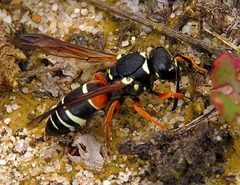
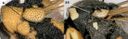
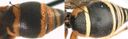
1Pseudepipona herrichii is a potter wasp in the Eumeninae, belonging to the Pseudepipona herrichii-group defined by specific morphological traits: absence of long setae on the gena, , and ; transverse carina of the propodeum forming a lateral tooth or blunt angle; and male with a preapical tooth of approximately equal width and length. The was first described by de Saussure in 1856. A 2022 taxonomic revision synonymized P. herrichii afromontana with this species.
Pronunciation
How to pronounce Pseudepipona herrichii: //ˌsuːd.ɛˈpiː.poʊ.nə ˈhɛr.ɪˌki.aɪ//
These audio files are automatically generated. While they are not always 100% accurate, they are a good starting point.
Identification
Within the Pseudepipona herrichii-group, P. herrichii can be distinguished from the six recognized (P. aldrichi, P. kozhevnikovi, P. tingjingliae, P. tricarinata, and P. valentinae) through detailed morphological characters detailed in the 2022 revision, which provides complete for both sexes and an identification key. The species lacks long setae on the gena, , and —a trait shared with other group members but distinguishing them from other Pseudepipona subgenera.
Images
Similar Taxa
- Pseudepipona aldrichiFormerly treated as P. herrichii mongolica; elevated to status in 2022 revision. Distinguished by morphological characters in the provided identification key.
- Pseudepipona tingjingliaeNewly described from China in 2022; morphologically similar member of the same species group.
- Pseudepipona valentinaeNewly described from Russia in 2022; morphologically similar member of the same species group.
- Pseudepipona kozhevnikoviMember of the same group; distinguished by morphological characters in the revision's identification key.
- Pseudepipona tricarinataMember of the same group; distinguished by morphological characters in the revision's identification key.