
Chyphotes
Blake, 1886
Species Guides
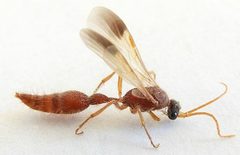
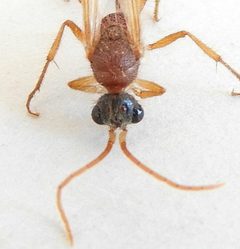
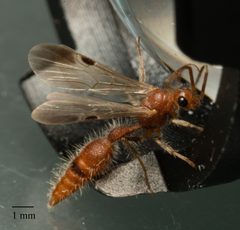
9Chyphotes is a of in the Chyphotidae comprising more than 50 described distributed in the United States and Mexico. All females are wingless, and some males are also wingless. The genus is notable for its activity pattern. Chyphotidae was formerly treated as a within but is now recognized as a distinct family.
Pronunciation
How to pronounce Chyphotes: //ˈkaɪ.foʊˌtiːz//
These audio files are automatically generated. While they are not always 100% accurate, they are a good starting point.
Identification
Chyphotes can be distinguished from other chyphotid by the combination of wingless females and habits. Males may be winged or wingless depending on . Detailed morphological characters for species-level identification require examination of genitalia and other microscopic features.
Images
Distribution
United States and Mexico
Behavior
activity has been documented for members of this . The wingless condition in females and some males suggests ground-dwelling or habits, though specific remain poorly documented.
Similar Taxa
- BradynobaenidaeFormerly included Chyphotidae as a ; chyphotids including Chyphotes are now separated based on distinct morphological and biological characteristics
- MutillidaeAlso contains wingless female with -like appearance; Chyphotes can be distinguished by -level characters including different antennal structure and versus activity patterns
More Details
Taxonomic History
Chyphotidae was historically treated as Chyphotinae, a of . It was elevated to status based on phylogenetic studies, with Chyphotes as the type .
Sexual Dimorphism
The exhibits pronounced in wing development: all females are wingless (), while males may be winged or wingless depending on .