Eutomostethus
Enslin, 1914
Species Guides
2- Eutomostethus ephippium(Saddleback Grass-cutter)
- Eutomostethus luteiventris(Yellow-bellied Rush-cutter)
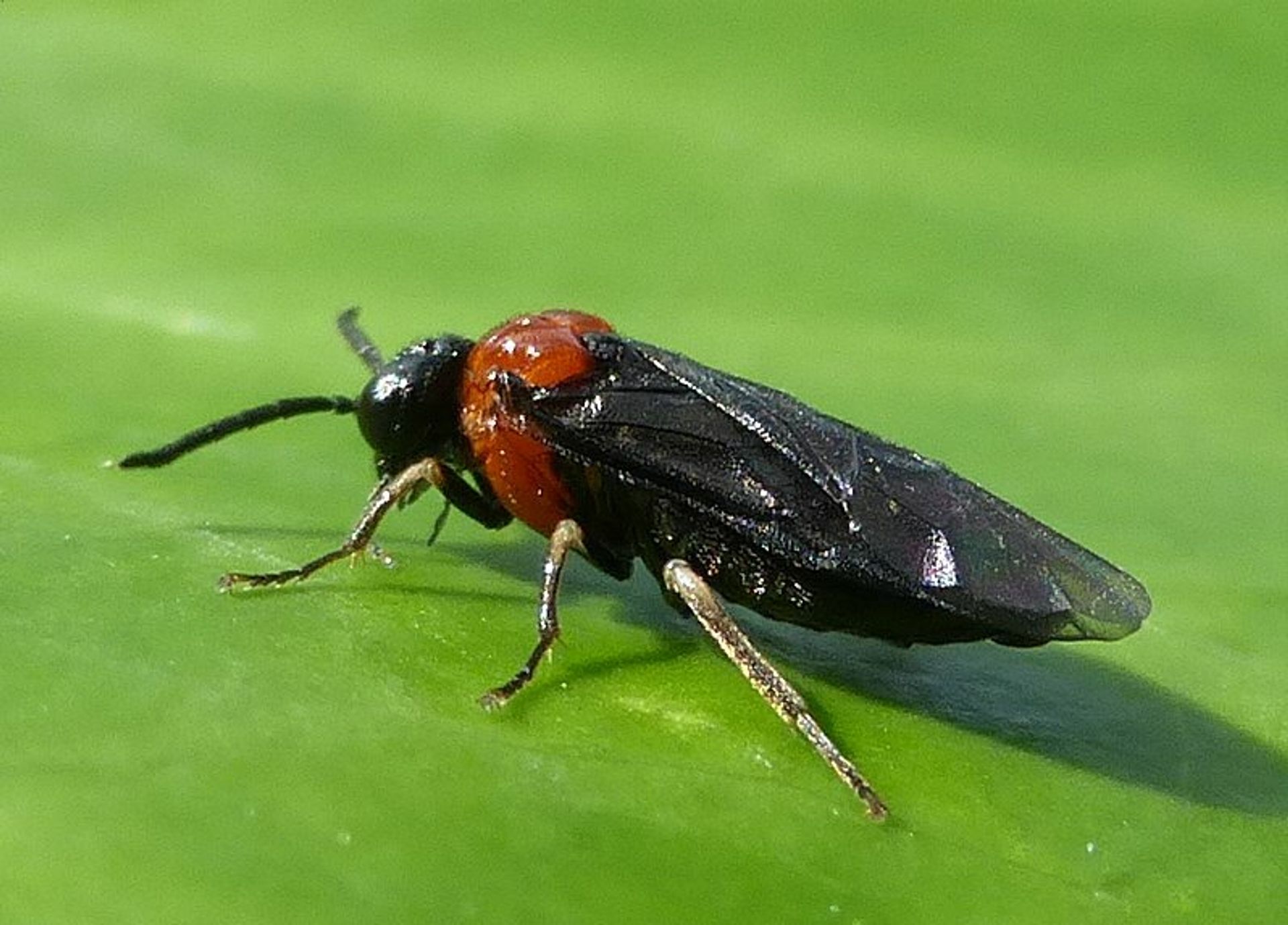
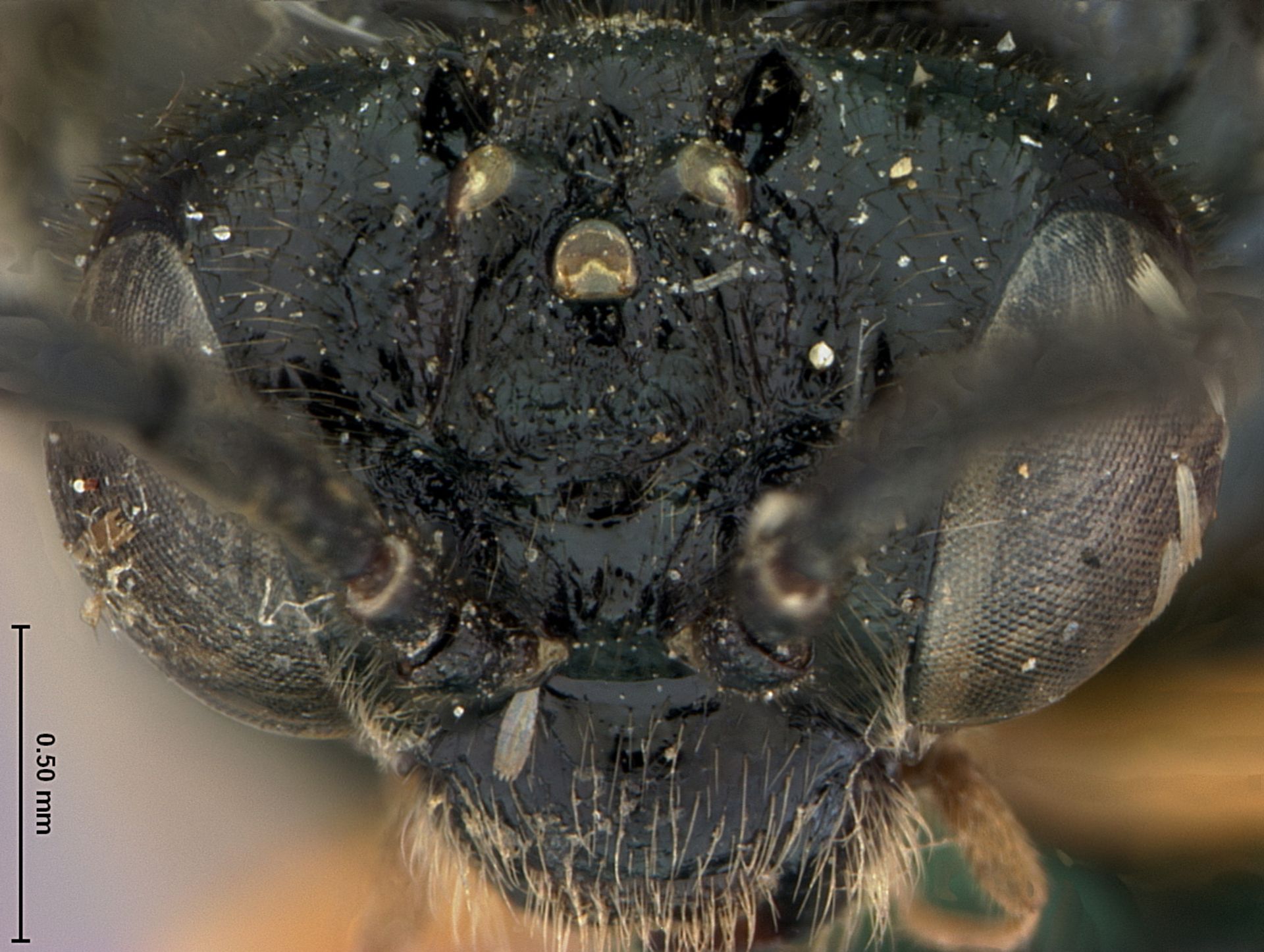
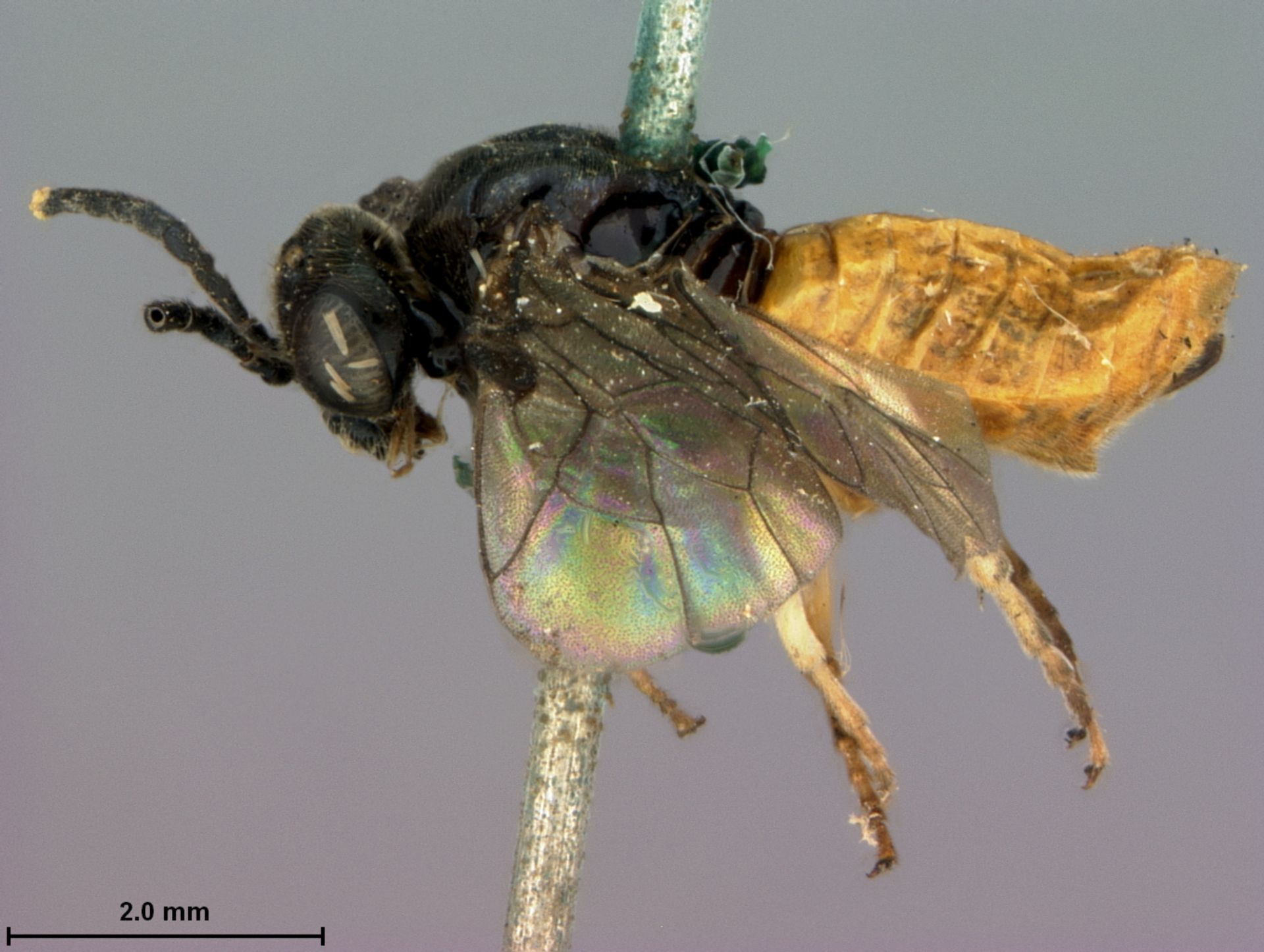
Eutomostethus is a of small tenthredinid in the Blennocampinae. The genus includes at least five described distributed across Europe and introduced to North America. Eutomostethus luteiventris, the most thoroughly documented species, is a 5–7mm sawfly associated with rushes (Juncus spp.) in damp . in this species has been observed to be parthenogenetic in Britain and Ireland, where only females have been recorded.
Pronunciation
How to pronounce Eutomostethus: /ˌjuːtoʊˈmɒstɛθəs/
These audio files are automatically generated. While they are not always 100% accurate, they are a good starting point.
Images
Habitat
Damp places where larvae feed inside foliage of rushes (Juncus spp.) — documented for E. luteiventris; broader preferences for other remain unconfirmed.
Distribution
Europe (widespread including Britain, Ireland, Denmark, Norway, Sweden); introduced in North America (United States: Vermont).
Seasonality
occur late April to June — documented for E. luteiventris in the UK with a single per year.
Diet
Larvae feed inside foliage of rushes (Juncus spp.), with final instar feeding externally — documented for E. luteiventris.
Host Associations
- Juncus spp. - larval plantlarvae feed inside foliage; documented for E. luteiventris
Life Cycle
Single per year — documented for E. luteiventris in the UK.
More Details
Reproductive mode
Eutomostethus luteiventris has been observed to reproduce parthenogenetically in Britain and Ireland, where only females have been recorded.
Genomic data
E. luteiventris has been sequenced: 272.06 Mb haploid assembly with 6 chromosomal pseudomolecules and 30.01 kb mitochondrial genome.