Eupareophora parca
(Cresson, 1880)
Spiny Ash Sawfly
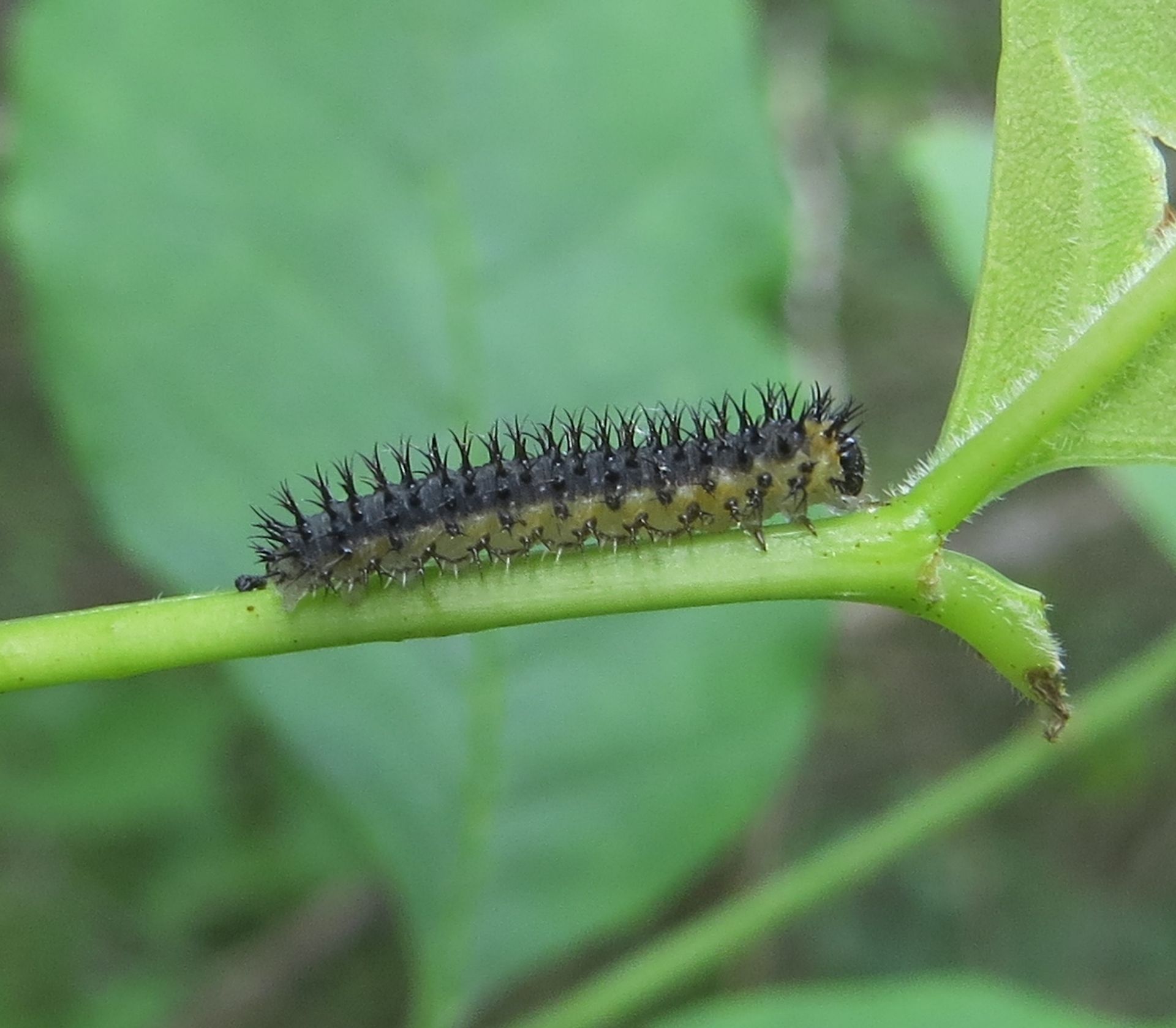
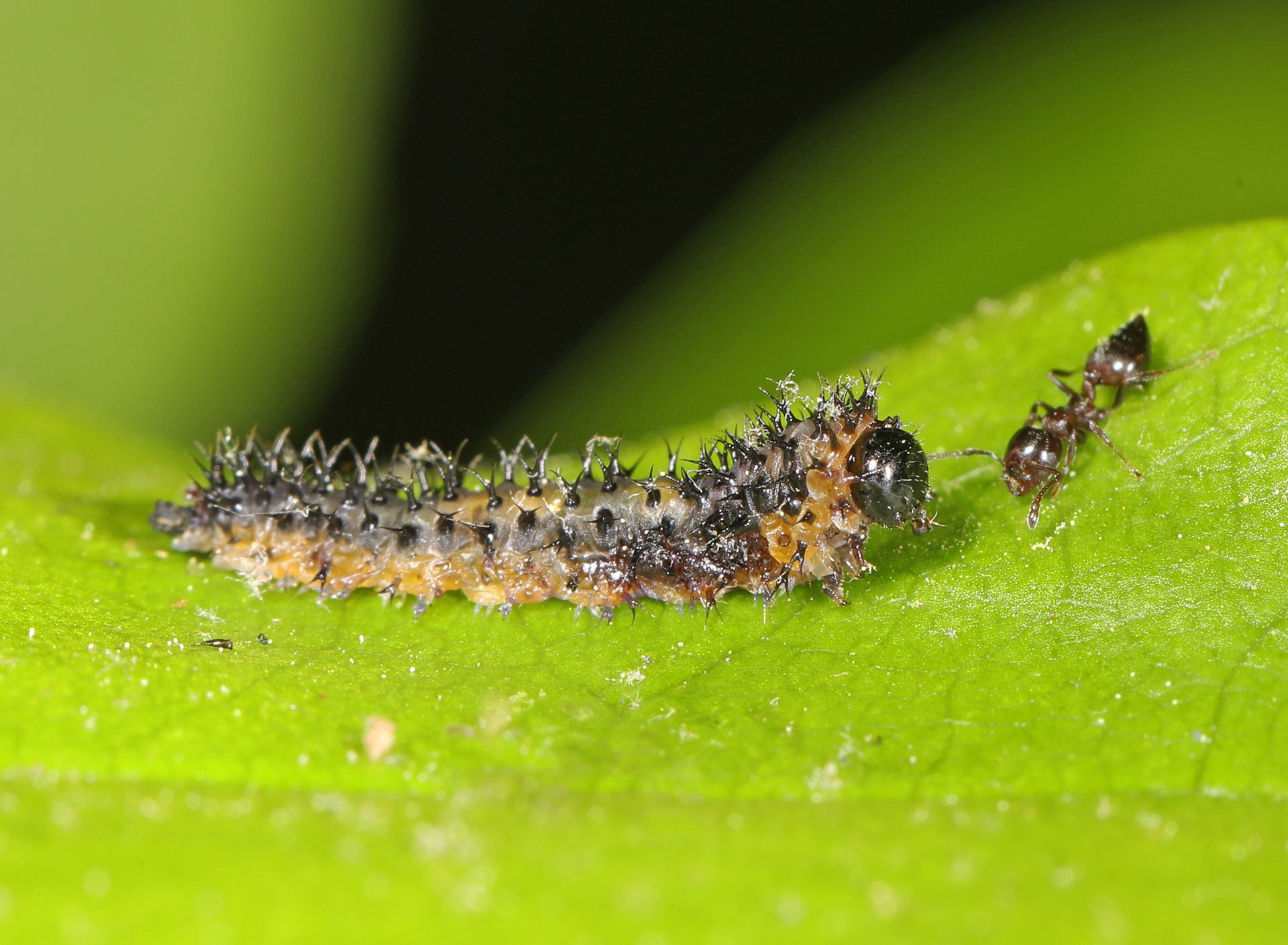
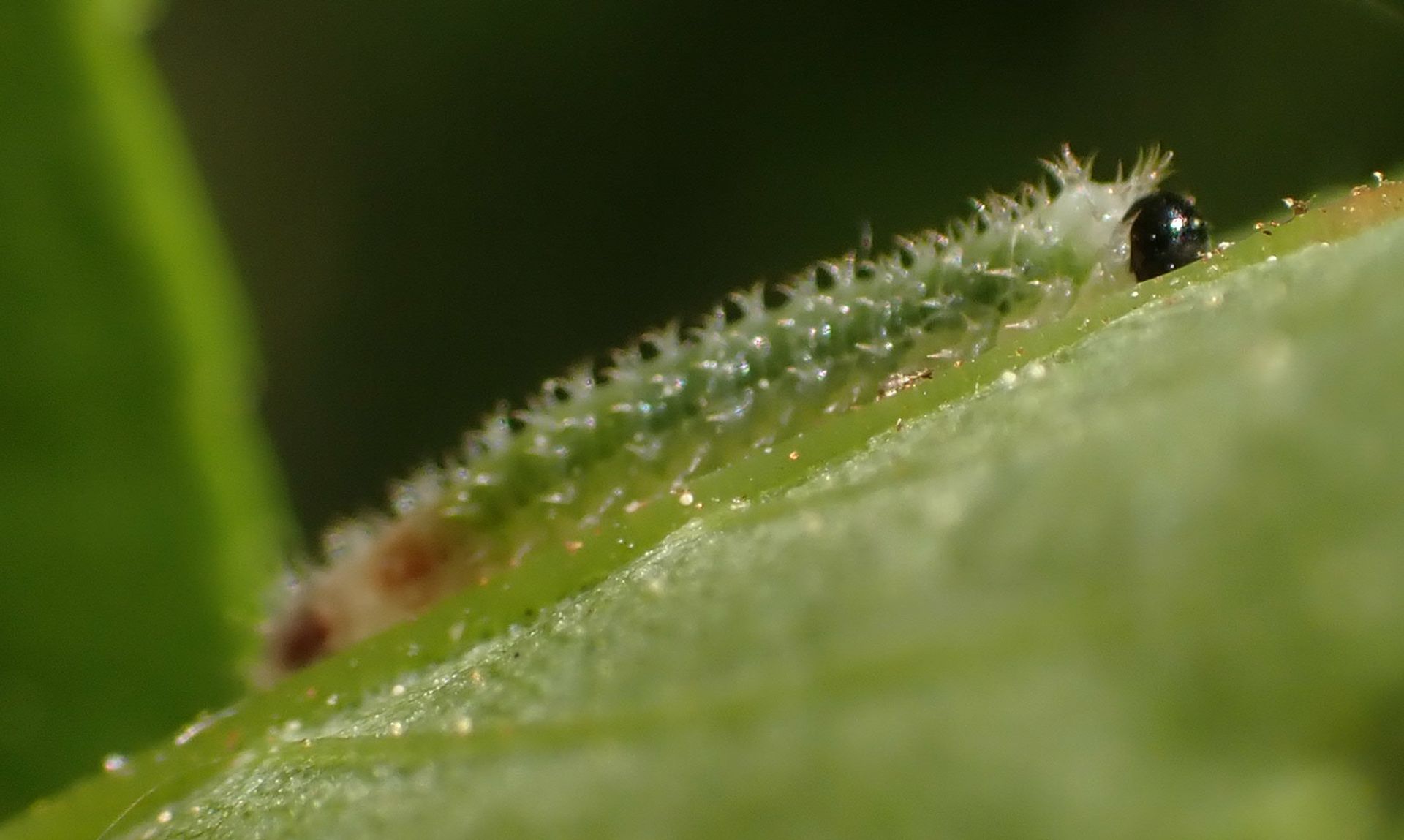
A Nearctic that defoliates ash trees (Fraxinus spp.). emerge in spring shortly after bud-break. Larvae feed on foliage and develop rapidly, with multiple instars completed between late April and early June. The species overwinters as in flimsy cocoons constructed in upper soil layers. can increase rapidly, with documented expansion from single sites to multiple locations within one year in Edmonton, Alberta.
Pronunciation
How to pronounce Eupareophora parca: //juːˌpæriˈɒfərə ˈpɑːrkə//
These audio files are automatically generated. While they are not always 100% accurate, they are a good starting point.
Identification
Distinguished from Periclista by the presence of two spines on the subspiracular lobe of the larva. Distinguished from the congeneric E. exarmata by larval coloration (less dark) and prepupal (absence of large cuticular processes on caudal abdominal ).
Images
Habitat
Eastern deciduous forests; urban and cultivated settings with planted ash .
Distribution
Nearctic region. Documented in Canada: Alberta (first recorded Edmonton 2003), Manitoba, New Brunswick, Ontario.
Seasonality
. fly soon after bud-break in spring. Larval development occurs from end of April to start of June.
Diet
Foliage of ash trees (Fraxinus spp.).
Host Associations
- Fraxinus excelsior - European ash; of congeneric E. exarmata, inferred for E. parca based on -level host association
- Fraxinus spp. - Documented ; includes planted urban ash
Life Cycle
. emerge and fly in spring following bud-break. Larvae pass through multiple instars, completing development between late April and early June. descend to soil litter layer or remain on branches, then construct flimsy cocoons in upper soil layers where they overwinter.
Behavior
Larvae are defoliators, consuming ash foliage. Rapid increase observed: in Edmonton, defoliation expanded from initial detection in 2003 to multiple sites with increased severity by 2004. construct flimsy silken cocoons in upper soil layers for .
Ecological Role
Primary consumer and defoliator of ash . Capable of rapid growth with potential to impact tree health through foliage removal. Potential to become significant urban pest where ash is planted.
Human Relevance
Economic concern as potential urban pest of planted ash trees. Documented defoliation of cultivated ash in Edmonton, Alberta with rapid spread between 2003–2004. No other documented human interactions.
Similar Taxa
- Periclista spp.Larvae lack the two spines on the subspiracular lobe that characterize Eupareophora
- Eupareophora exarmataWest Palaearctic ; E. parca has less dark larval coloration and lacks large cuticular processes on caudal abdominal
More Details
Invasion dynamics
The 2003 Edmonton record represents a range expansion with ecological and economic implications. The observed doubling of affected sites and increased defoliation severity within one year suggests high potential and rapid establishment in novel urban environments.