
Dimorphopteryx abnormis
Rohwer, 1911
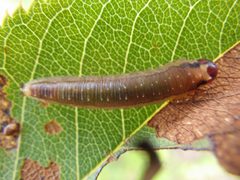
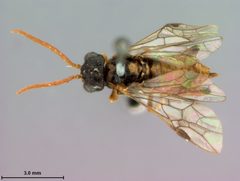
Dimorphopteryx abnormis is a of in the Tenthredinidae, Allantinae. The Dimorphopteryx is characterized by unusual wing dimorphism, with both fully winged and short-winged forms occurring within species. This species was described by Rohwer in 1911 and is known from multiple Canadian provinces. Like other tenthredinid sawflies, it is likely herbivorous with larvae feeding on plant foliage, though specific plant associations remain poorly documented. The genus is taxonomically notable for its distinctive wing , which is reflected in its name (Greek: dimorphos = two forms, pteryx = wing).
Pronunciation
How to pronounce Dimorphopteryx abnormis: /dɪˌmɔrfəˈptɪrɪks æbˈnɔrmɪs/
These audio files are automatically generated. While they are not always 100% accurate, they are a good starting point.
Identification
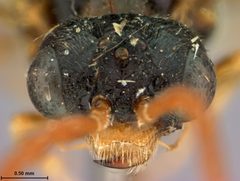
Members of Dimorphopteryx can be distinguished from other Allantinae by the pronounced wing dimorphism: individuals occur in both (fully winged) and brachypterous (short-winged) forms within the same . The short-winged form has forewings reduced to about half the length of the . The also exhibits characteristic venation patterns and body proportions that differ from related genera such as Allantus and Empria. Specific diagnostic features for D. abnormis require examination of detailed morphological characters including saw (ovipositor) structure and segmentation, best determined through comparison with or specialized taxonomic keys.
Images
Habitat
Records indicate presence in forested and transitional across Canadian provinces. The short-winged form suggests to exposed or windy environments where reduced wings may be advantageous. Specific microhabitat preferences are not well documented.
Distribution
Canada: New Brunswick, Ontario, Quebec, and Saskatchewan. The appears to have a transcontinental Canadian range spanning from the Atlantic provinces through the Prairie provinces.
Similar Taxa
- Dimorphopteryx melanognathusAnother in the same with similar wing dimorphism; distinguished by coloration of the and details of genitalia structure
- Allantus speciesRelated allantine that lack the pronounced wing dimorphism characteristic of Dimorphopteryx; Allantus are uniformly fully winged
- Empria speciesSmall allantine of similar size, but without wing dimorphism and with different antennal structure and saw
More Details
Taxonomic Note
The Dimorphopteryx is the type genus of the tribe Dimorphopterygini within Allantinae. The wing dimorphism that characterizes this genus is relatively uncommon among and has made -level challenging, as wing form was historically sometimes mistaken for species distinction. The genus was revised by Liston (1995), who clarified species boundaries based on structural characters rather than wing form alone.
Collection Records
GBIF and iNaturalist records document 17 observations, with specimens and sightings from eastern and central Canada. The appears to be rarely encountered relative to more common tenthredinid , possibly due to the short-winged form being inconspicuous and under-collected.