
Dimorphopteryx melanognathus
fringed birch sawfly
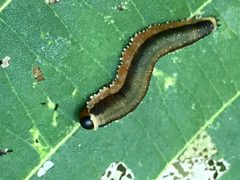
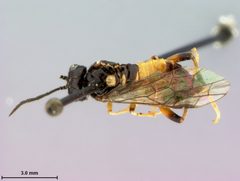
Dimorphopteryx melanognathus is a of in the Tenthredinidae, commonly known as the fringed birch sawfly. It belongs to a characterized by distinctive wing . The species has been documented from very few observations, indicating it may be rare, locally distributed, or underreported.
Pronunciation
How to pronounce Dimorphopteryx melanognathus: //ˌdaɪmɔrfoʊˈptɛrɪks ˌmɛləˌnɒɡˈneɪθəs//
These audio files are automatically generated. While they are not always 100% accurate, they are a good starting point.
Identification
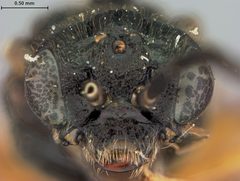
The name Dimorphopteryx refers to dimorphic wing structure, with forewings and hindwings differing in shape or venation. D. melanognathus can be distinguished from by the specific epithet melanognathus, referring to darkened mouthparts. Identification to level requires examination of morphological details including wing venation and genitalia.
Images
Habitat
Associated with birch (Betula) based on the ; exact requirements are poorly documented due to limited observations.
Distribution
Distribution is poorly known due to sparse observation records; precise range boundaries have not been established.
Diet
Larval feeding on birch foliage is inferred from the , though direct observations have not been documented.
Host Associations
- Betula - larval food plantinferred from ; not confirmed by direct observation
Ecological Role
As a member of Tenthredinidae, likely functions as a folivore in birch , contributing to nutrient cycling and serving as prey for and .
Similar Taxa
- Other Dimorphopteryx speciesShare the distinctive dimorphic wing structure; require detailed morphological examination to distinguish
- Other birch-feeding sawflies (e.g., Croesus, Priophorus)Similar larval association; differ in wing and features
More Details
Data scarcity
With only two documented observations, most aspects of this ' remain unknown. The species epithet and provide the primary clues to its identification and .