
Calopompilus deceptus
Calopompilus deceptus is a of spider wasp in the Pompilidae. The Calopompilus contains species that are specialized of spiders, with females paralyzing their prey to provision nests for their larvae. Very little specific information is documented for C. deceptus; the species has been recorded from only two observations on iNaturalist, indicating it is rarely encountered or underreported. As with other members of its genus, it is presumed to be a solitary hunting with specialized predatory .
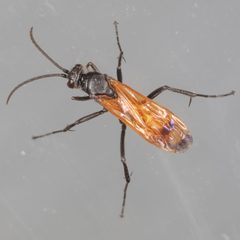
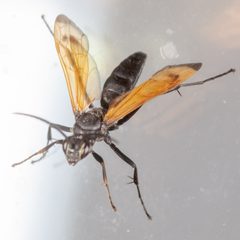
Pronunciation
How to pronounce Calopompilus deceptus: //ˌkæloʊˈpɒmpɪləs dɪˈsɛptəs//
These audio files are automatically generated. While they are not always 100% accurate, they are a good starting point.
Images
Distribution
Distribution data for Calopompilus deceptus is extremely limited. The has been documented in only two observations on iNaturalist, with specific locality information not publicly detailed in available sources. The Calopompilus has a broader distribution in North America, but species-level range for C. deceptus remains poorly defined.
Ecological Role
As a member of Pompilidae, Calopompilus deceptus functions as a of spiders. Females paralyze spiders with their sting and provision underground nests with the immobilized prey, upon which their larvae feed. This makes the a significant agent of spider within its .
More Details
Data Deficiency
Calopompilus deceptus is extremely poorly known. With only two iNaturalist observations and minimal published literature, most aspects of its remain undocumented. The may be genuinely rare, cryptic, or simply overlooked due to identification challenges within the .
Taxonomic Note
The Calopompilus was established by Ashmead in 1900 and contains several North American . Species boundaries within Calopompilus can be difficult to determine, contributing to underreporting of C. deceptus specifically.