Sphaeropthalma pensylvanica scaeva
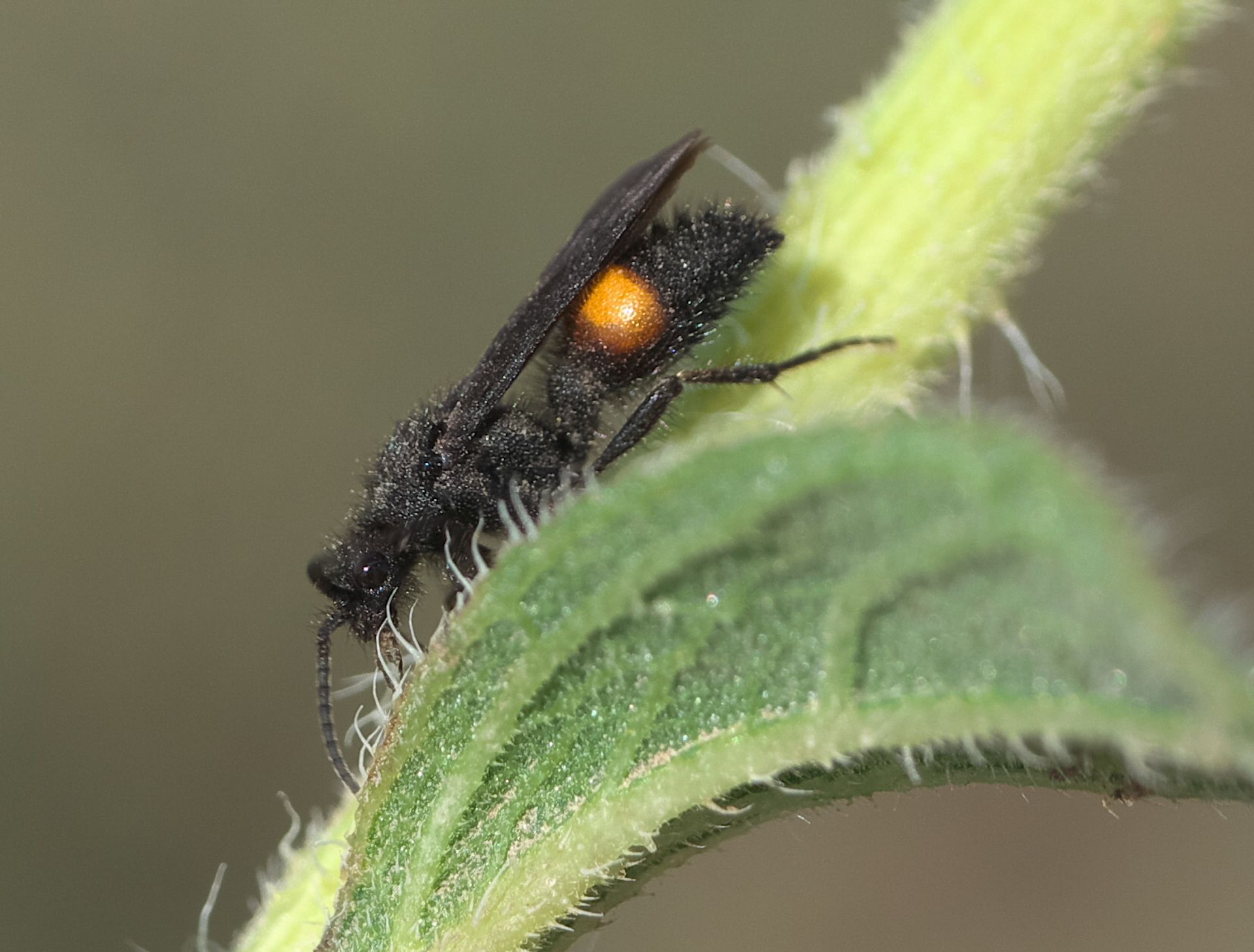
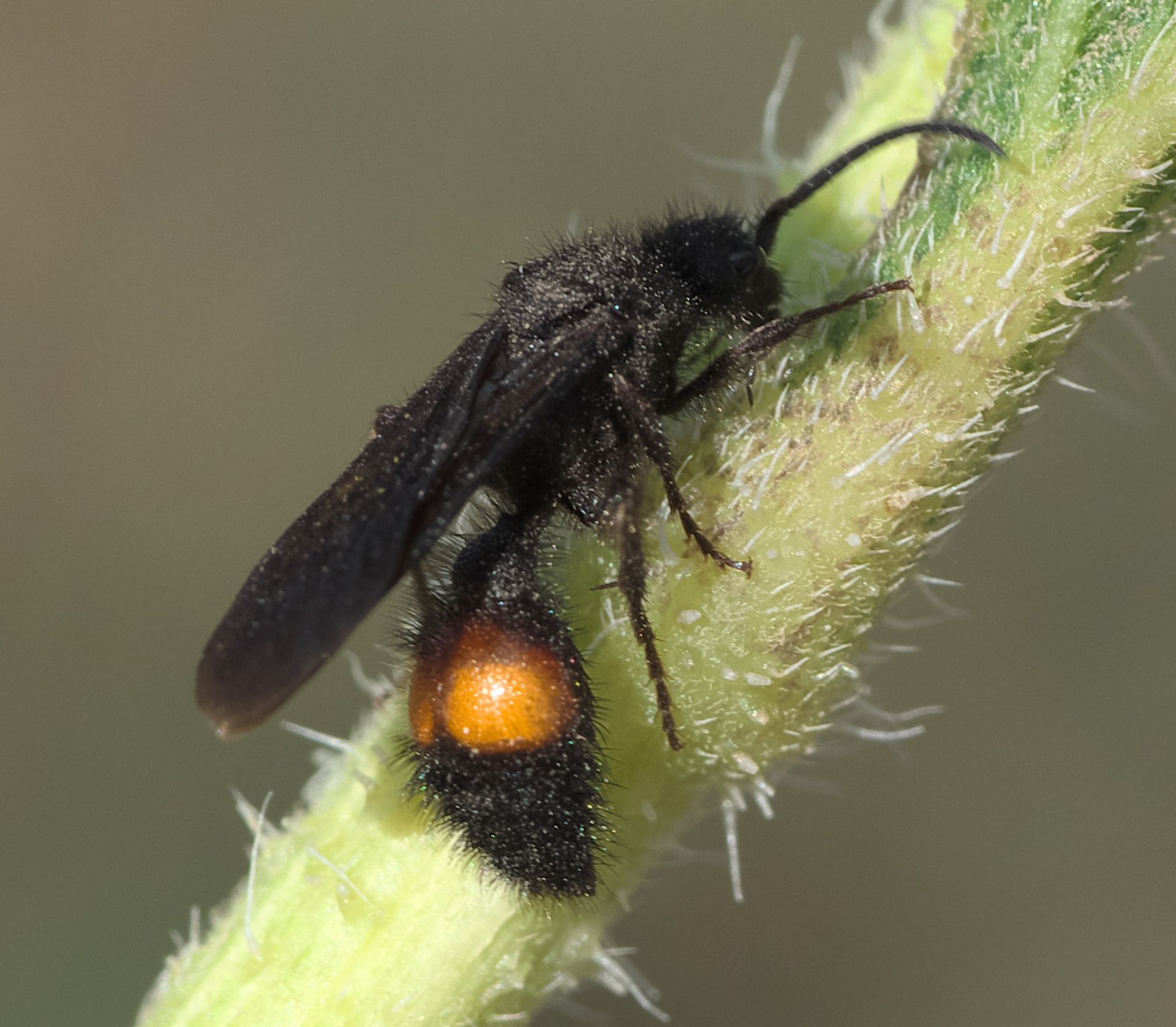
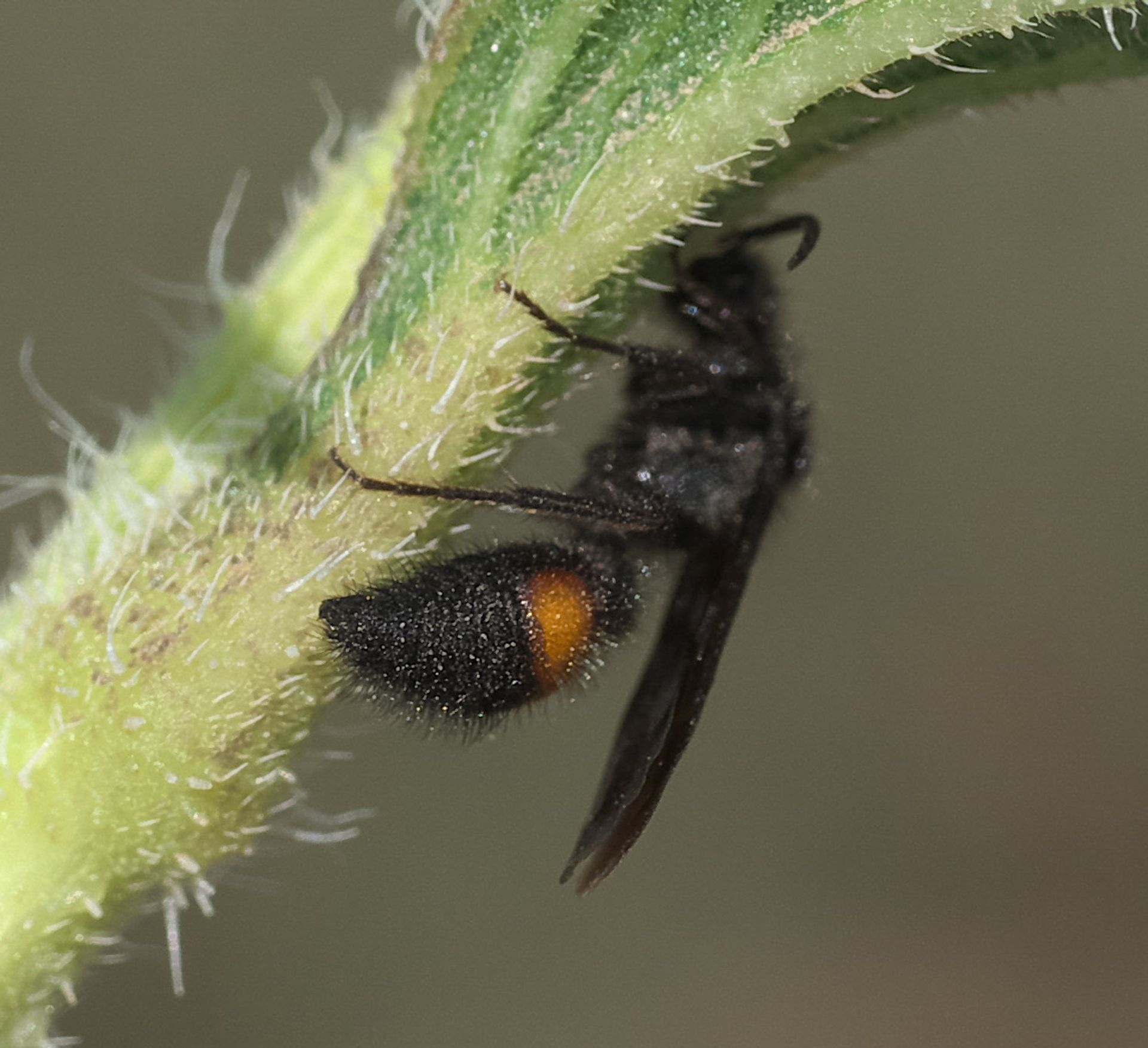
Sphaeropthalma pensylvanica scaeva is a of velvet ant in the Mutillidae. Velvet ants are actually flightless female , known for their dense, velvety and potent sting. This subspecies belongs to a distributed primarily in North America. The specific epithet 'pensylvanica' refers to Pennsylvania, though this likely reflects historical type locality rather than current distribution limits.
Pronunciation
How to pronounce Sphaeropthalma pensylvanica scaeva: /sfɛəroʊfˈθælmə pɛnɪlˈvænɪkə ˈsiːvə/
These audio files are automatically generated. While they are not always 100% accurate, they are a good starting point.
Identification
Distinguishing S. pensylvanica scaeva from other Sphaeropthalma requires examination of specific color patterns and morphological details. The Sphaeropthalma is characterized by females with dense, velvety setae covering the body, often in striking red, black, or orange patterns. Males are winged and typically less hairy than females. Identification to subspecies level generally requires examination of or detailed comparative morphological analysis.
Images
Distribution
The epithet 'scaeva' and parent name 'pensylvanica' suggest a North American distribution, with the nominate form associated with Pennsylvania. The Sphaeropthalma is primarily Nearctic in distribution. Specific range boundaries for this subspecies are not well documented in available sources.
Behavior
Females are solitary and wingless, across ground surfaces in search of . Males are winged and active fliers. Like other mutillids, females produce a loud squeaking sound (stridulation) when disturbed. Both sexes possess a potent sting, with females being particularly notable for their defensive capabilities.
Ecological Role
As , velvet ants in the Sphaeropthalma likely contribute to of ground-nesting bees and . Their specific relationships for this are not documented in available sources.
Human Relevance
Velvet ants are occasionally encountered by humans due to their ground-dwelling habits. The sting of Sphaeropthalma is considered medically significant and painful, though not life-threatening to most individuals. They are not agricultural pests.
Similar Taxa
- DasymutillaAnother large of New World velvet ants with similar female ; distinguished by differences in antennal structure and mesosomal sculpturing
- TimullaHistorical now synonymized with Sphaeropthalma in part; some former Timulla have been transferred to Sphaeropthalma, creating identification challenges
- Mutilla europaeaEuropean velvet ant with convergent appearance; distinguished by Palearctic distribution and different antennal club structure
More Details
Taxonomic Note
The Sphaeropthalma has undergone significant taxonomic revision, with many formerly placed in Timulla now included here. The S. pensylvanica scaeva represents one of several described forms within the S. pensylvanica complex. The specific epithet is often misspelled 'pennsylvanica' in modern usage, but the original spelling 'pensylvanica' should be maintained under the International Code of Zoological .
Nomenclatural History
The name 'scaeva' appears to reference the or description, though original publication details are not available in the provided sources. The parent name 'pensylvanica' reflects 19th century American spelling conventions and historical type locality.