
Melitta eickworti
Snelling & Stage, 1995
Deerberry Blunt-Horn, deerberry melitta
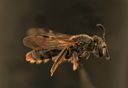
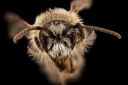
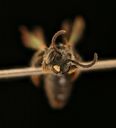
Melitta eickworti is a of melittid in the Melittidae, commonly known as the Deerberry Blunt-Horn or deerberry melitta. It was described by Snelling & Stage in 1995. The species is found in North America and belongs to a specialized group of bees that are oligolectic, meaning they collect pollen from a narrow range of plants. Based on its placement in the Melitta, it is likely associated with specific floral resources, though detailed ecological studies remain limited.
Pronunciation
How to pronounce Melitta eickworti: /mɛˈlɪtə aɪkˈwɔːrtaɪ/
These audio files are automatically generated. While they are not always 100% accurate, they are a good starting point.
Images
Distribution
North America. The has been recorded with present status in North America according to distribution records, though specific range details within this region are not well documented.
Host Associations
More Details
Taxonomic note
Melitta eickworti was described by Snelling & Stage in 1995. The Melitta contains approximately 40 worldwide, with most occurring in the Palearctic region; M. eickworti represents one of the North American representatives of this primarily Old World genus.
Conservation status
The has been observed 30 times according to iNaturalist records, suggesting it is not commonly encountered, though this may reflect limited survey effort rather than rarity. No formal conservation assessment appears to have been conducted.
Sources and further reading
- BugGuide
- Wikipedia
- GBIF taxonomy match
- iNaturalist taxon
- NCBI Taxonomy
- Catalogue of Life
- entomology | Blog - Part 10
- Surveying for the Red Bartsia Bee - Buglife Blog - Buglife
- Gardening for Solitary Bees - Buglife Blog - Buglife
- The Power of Noticing: my summer with the Wart-biter - Buglife Blog - Buglife
- behaviour | Blog
- biodiversity | Blog - Part 35