
Hoplitis truncata
(Cresson, 1878)
Truncate Small-Mason
Species Guides
1Hoplitis truncata is a solitary in the Megachilidae, commonly known as the Small-Mason. It is part of the diverse osmiine bee group, which includes many species that nest in pre-existing cavities and use various materials to construct their nests. The species has been recorded in North America and parts of Southern Asia, though detailed biological information remains limited.
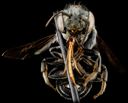
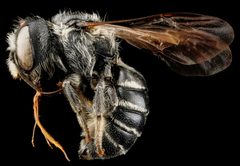
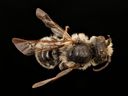
Pronunciation
How to pronounce Hoplitis truncata: //hɒˈplaɪtɪs trʌŋˈkeɪtə//
These audio files are automatically generated. While they are not always 100% accurate, they are a good starting point.
Images
Distribution
North America; Southern Asia. Records indicate presence in both regions, though specific localities within these broad areas are not well documented in available sources.
More Details
Taxonomic Note
The authorship of this is sometimes cited as (Cresson, 1878), though some sources list Wu, 1992. This discrepancy may reflect different taxonomic treatments or regional faunal works. The species is classified within the tribe Osmiini, a group of mason bees known for their diverse nesting habits and often specialized pollen collection strategies.
Data Quality
Available information for this is sparse. GBIF records indicate only 15 iNaturalist observations, suggesting it is either genuinely rare, under-collected, or difficult to identify from casual observation. No dedicated species-level studies were found in the provided source material.