
Oedemopsini
Genus Guides
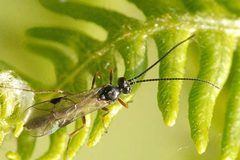
4Oedemopsini is a tribe of ichneumon wasps within the Ctenopelmatinae. Members are whose larvae develop within insects. The tribe contains relatively few described and compared to other ctenopelmatine tribes. These wasps are poorly studied, with limited biological data available.
Pronunciation
How to pronounce Oedemopsini: //iːdəˈmɔpsɪnaɪ//
These audio files are automatically generated. While they are not always 100% accurate, they are a good starting point.
Identification
Oedemopsini can be distinguished from other Ctenopelmatinae tribes by subtle morphological features of the mesosoma and metasoma, including characteristics of the propodeum and ovipositor structure. Detailed examination of wing venation and sternal structure is typically required for definitive tribal assignment. They lack the pronounced features found in some related tribes such as Ctenopelmatini.
Images
Distribution
Records indicate presence in the Holarctic region, with documented occurrences in North America and Eurasia. Specific distribution data remains sparse due to the small number of and limited collecting effort.
Ecological Role
As , members likely contribute to of their unknown insects. Their specific ecological impact remains undocumented.
Similar Taxa
- CtenopelmatiniLarger and more diverse tribe within the same ; Oedemopsini distinguished by more reduced wing venation and less robust body form
- MesoleiiniAnother ctenopelmatine tribe; Oedemopsini separated by differences in propodeal and ovipositor structure
More Details
Taxonomic status
The tribal classification within Ctenopelmatinae has been historically unstable. Oedemopsini was established based on morphological distinctness of included , but phylogenetic relationships within the remain poorly resolved.