
Orthocentrus
Gravenhorst, 1829
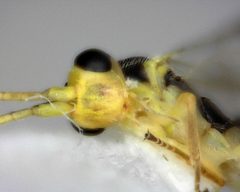
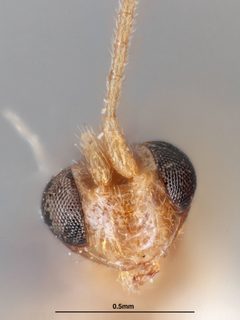
Orthocentrus is a of ichneumon wasps in the Ichneumonidae, Orthocentrinae. The genus contains at least 90 described with substantial diversity in the Neotropical region and Mexico. Species are koinobiont , with at least some members attacking fungus gnat larvae (Mycetophilidae).

Pronunciation
How to pronounce Orthocentrus: /ˌɔrθoʊˈsɛntrəs/
These audio files are automatically generated. While they are not always 100% accurate, they are a good starting point.
Identification
Members of Orthocentrus can be distinguished from other ichneumonid by characters detailed in taxonomic keys to the Orthocentrinae. The genus is characterized by features of the wing venation, structure, and body proportions typical of the subfamily. -level identification requires examination of detailed morphological characters and reference to regional keys.
Images
Habitat
Tropical rainforest in the Neotropical region; specific microhabitat associations are poorly documented but likely tied to availability in moist, decomposing organic matter where fungus gnats develop.
Distribution
distribution with records from North America (Mexico), Central America, South America (Amazonia), Europe (Denmark, Norway, Sweden), and other regions. The shows highest diversity in the Neotropics, where 28 are now known, and Mexico, where 53 species occur.
Host Associations
- Neoempheria - Fungus gnat (Diptera: Mycetophilidae); of O. brachycerus in shiitake mushroom systems
- Mycetophilidae - Fungus gnat ; established family for the based on literature, though specific host records for most are lacking
Life Cycle
Females are prolific, with O. brachycerus females making over 140 parasitization attempts on average. attack larval stages of but not . Development is koinobiont, allowing the host to continue feeding after parasitization. At 20°C, females survive an average of 15.4 days with some individuals exceeding 30 days. Females continue oviposition throughout their adult lifespan.
Ecological Role
Koinobiont ; regulates of fungus gnats in decomposing organic matter and fungal . In agricultural contexts, O. brachycerus has been shown to achieve over 90% or mortality of larvae under controlled conditions.
Human Relevance
O. brachycerus has been evaluated as a potential agent against Neoempheria fungus gnats in shiitake mushroom (Lentinula edodes) , where pest larvae cause serious damage. Laboratory studies demonstrate effective suppression of pest , providing basis for developing biocontrol protocols in mushroom production facilities.
Similar Taxa
- Other Orthocentrinae generaSimilar body plan and wing venation; distinguished by -level morphological characters in keys
- Other small ichneumonid parasitoids of DipteraSimilar ecological role and size; distinguished by -level characters of Orthocentrinae including specific wing configurations and structure
More Details
Taxonomic diversity
The has undergone substantial recent taxonomic revision. A 2019 study described 42 new from Mexico, bringing the total known Mexican fauna to 53 species. A 2013 revision added 27 new species from the Neotropical region, where previously only O. insularis was known. These revisions suggest the true global diversity of Orthocentrus remains underestimated.
Research needs
associations are documented for very few . Most biological and ecological data come from a single species (O. brachycerus) studied in an agricultural context. Natural history of the vast majority of species, including host ranges, specificity, and geographic distributions, remains unknown.
Sources and further reading
- BugGuide
- Wikipedia
- GBIF taxonomy match
- iNaturalist taxon
- NCBI Taxonomy
- Catalogue of Life
- Mexican species of the genus Orthocentrus (Hymenoptera, Ichneumonidae: Orthocentrinae)
- Laboratory evaluation of Orthocentrus brachycerus (Hymenoptera: Ichneumonidae), as a potential biological control agent in mushroom cultivation
- Twenty seven new species of Orthocentrus (Hymenoptera: Ichneumonidae; Orthocentrinae) with a key to the Neotropical species of the genus