Centeterus
Wesmael, 1845
Centeterus is a of in the Ichneumonidae. The genus was established by Wesmael in 1845. are known from Europe and North America, with records from Denmark, Norway, and Sweden. As ichneumonid wasps, members of this genus are presumed to be parasitoids of other insects, though specific relationships remain poorly documented.
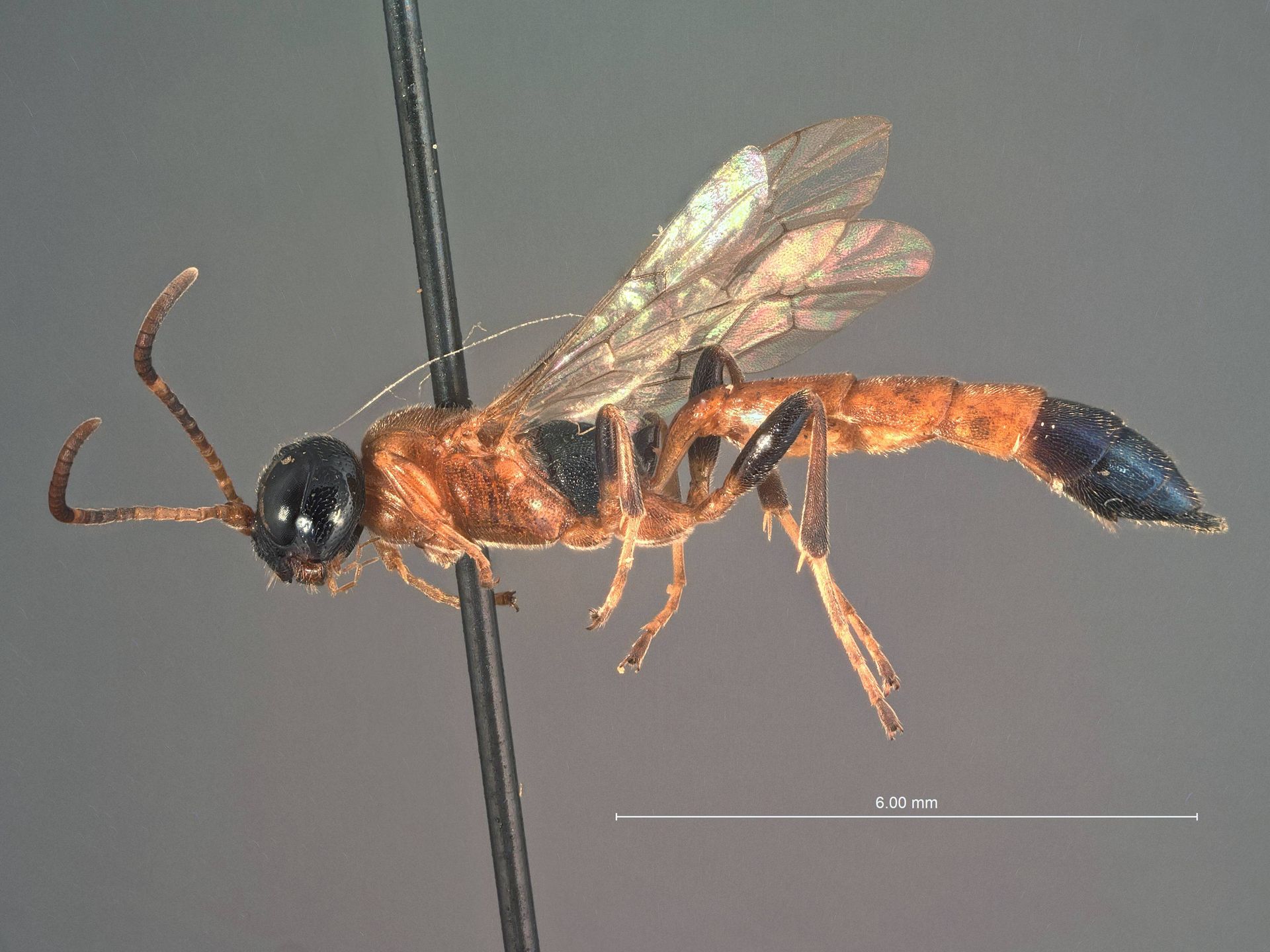
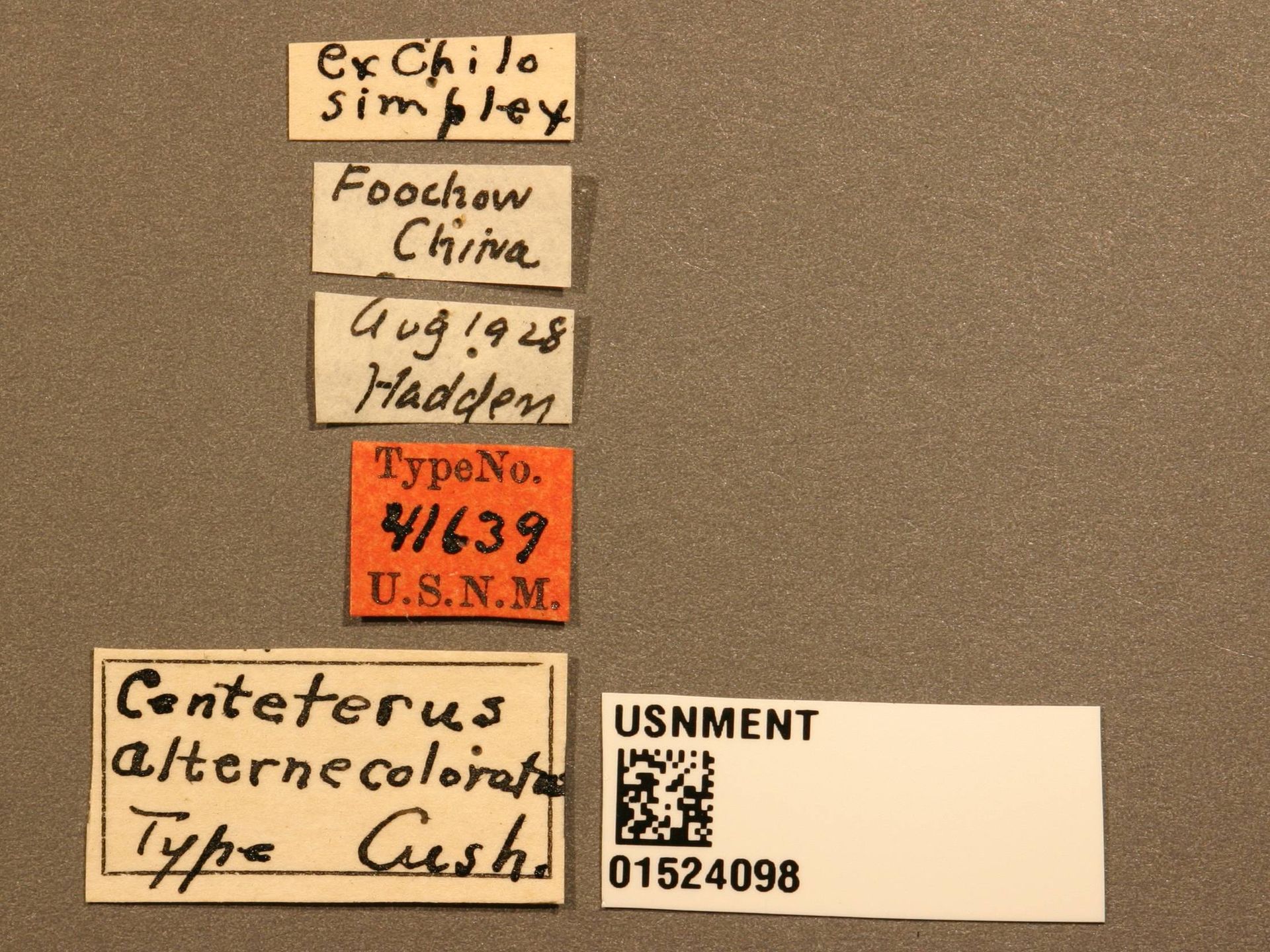
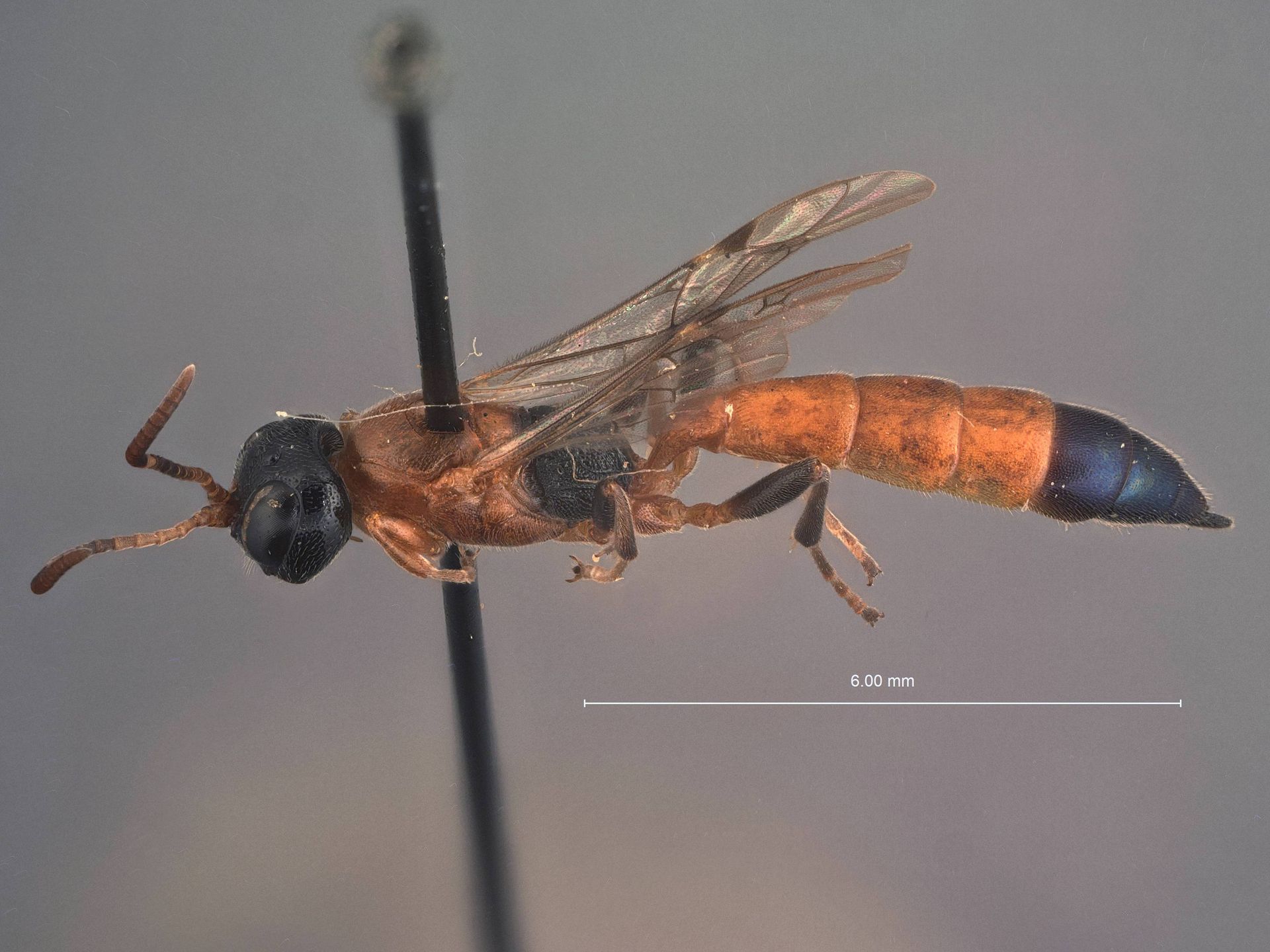
Pronunciation
How to pronounce Centeterus: //sɛnˈtɛtərəs//
These audio files are automatically generated. While they are not always 100% accurate, they are a good starting point.
Identification
Centeterus can be recognized within Ichneumonidae by their placement in the Ctenopelmatinae, though specific diagnostic features for the require examination of wing venation and abdominal structure. The genus is distinguished from related genera by characteristics of the areolet in the forewing and the structure of the petiole. Definitive identification to species level typically requires examination of microscopic features and may necessitate reference to original species descriptions.
Images
Distribution
Europe and North America. Specific country records include Denmark, Norway, and Sweden. The has also been reported from the Balearic Islands (C. balearicus) and alpine regions (C. alpinus).
Ecological Role
As , in this likely function as agents, regulating of their insects. The specific hosts remain undocumented, but related genera in Ctenopelmatinae typically parasitize larvae ().
Similar Taxa
- CtenopelmaBoth belong to Ctenopelmatinae and share similar wing venation patterns; Centeterus differs in details of the areolet and petiolar structure.
- LamachusAnother in Ctenopelmatinae with superficially similar ; separation requires examination of abdominal tergite proportions and ovipositor characters.
More Details
Taxonomic authority
The was described by Constantin Wesmael in 1845. The type is Centeterus cinctorius Wesmael, 1845.
Species diversity
The contains at least two named : Centeterus alpinus (Cameron, 1885) and Centeterus balearicus (Kriechbaumer, 1894). Additional species may be described or synonymized pending taxonomic revision.